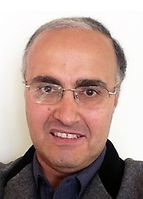
Dr Albert Makary is a Gynaecology specialist practising in Timaru, South Canterbury. Having graduated from Medical School with a Bachelor of Medicine and Bachelor of Surgery with Honours in 1982, Dr Makary undertook his specialist training in the United Kingdom, achieving his specialist qualification through the Royal College of Obstetricians and Gynaecologists (RCOG), London, in 1989. Dr Makary achieved Fellowship with the Royal Australian and New Zealand College of Obstetricians and Gynaecologists (RANZCOG) in 1993. Dr Albert Makary has been practising in the South Canterbury region in both public and private capacities for over 30 years, and brings to the region his vast knowledge and experience of managing a wide variety of both simple and complex gynaecological disease. He is well-respected as a well-established, committed and consistent deliverer of healthcare to the women of South Canterbury and beyond, and is happy to receive referrals from both health professionals as well as self-referrals. Dr Makary is particularly well-known for taking on difficult to treat problems and providing second opinions to patients.
His areas of specialisation include:
- Menstrual Disorders
- Pelvic Pain
- Colposcopy
- Hysteroscopic & Laparoscopic Surgery
- Endometriosis
- Urinary-Incontinence/Prolapse
- Urogynaecology
- Infertility
- Ultrasound
- Menopause
- Hysterectomy
- Ovarian cysts
What is Gynaecology?
Gynaecology is the area of medicine that deals with health issues and conditions that are specific to women. This generally includes the female reproductive organs and genitalia. The reproductive organs consist of the ovaries that release an egg every month, the fallopian tubes that lead from the ovaries, the uterus (womb), which is where a baby will grow if the egg is fertilised during sexual intercourse, the cervix (opening of the uterus) and the vagina.
Laparoscopy
Many gynaecological investigations are performed by laparoscopy. This is a procedure to view the inside of the abdomen (stomach) through a specially lit type of mini telescope (laparoscope) that is inserted through a small cut in the abdomen. The laparoscope also contains a small camera that sends pictures to a screen that the doctor can watch. Sometimes surgical procedures (keyhole surgery) can be performed at the same time. A laparoscopy is performed under a general anaesthetic (you are asleep).