
Nelson Marlborough > Private Hospitals & Specialists >
Nelson Weight Loss Surgery
Private Service, Bariatric (Weight Loss) Surgery, General Surgery
Today
Description
At Nelson Weight Loss Surgery our team of expert health professionals offer the full range of state-of-the-art bariatric operations, with wrap-around pre-operative care to optimise your success, and a 2-year long aftercare programme to support you into your new lifestyle.
All procedures are performed using laparoscopic (“keyhole”) surgery at Southern Cross Nelson Hospital.
We also offer procedures and consultation for a wide range of general surgical problems including:
- gastroscopy & colonoscopy
- gallbladder removal (cholecystectomy)
- hiatus hernia repair
- hernia repairs – groin (inguinal) and abdominal wall reconstruction
- reflux disease and oesophageal disorders
- gastric cancer
- bowel cancer and other abdominal complaints
- skin excisions: skin cancer, lumps and bumps
What is Bariatric or Weight Loss Surgery?
Bariatric or weight loss surgery is a term that covers the wide range of surgical procedures used to assist people with obesity to lose weight and improve health. Bariatric medicine is broader than just surgery and covers medication and evidence-based lifestyle approaches to weight management.
Obesity is associated with an increased risk of developing illnesses such as: heart attack, hypertension, stroke, diabetes, sleep disorders, joint pain and some cancers. Bariatric surgery can cure or greatly improve these illnesses as well as give patients an improved quality of life.
Operations currently performed include Sleeve gastrectomy, Roux-en-Y gastric bypass, and One anastomosis ("Mini") gastric bypass.
For more information about obesity management and details of surgery, please see out website www.nelsonweightlosssurgery.co.nz
Staff
Ali North: a Registered Nurse with over 35 years' experience in a range of areas including bariatric nursing, addictions, gastroenterology, general surgery and operating theatre nursing.
Angela Phillips: a Registered Dietitian well versed in the weight loss surgery journey. Angela enjoys the close working relationships that develop with clients when providing individualised care.
Shona Collins: a Registered Dietitian with over 15 years’ experience in South Africa, the UK and New Zealand. Her special interests include the weight loss journey, diabetes, women’s health, irritable bowel syndrome and other digestive issues, as well as working with women to help them make peace with food.
Jennie Tankard: a Registered Dietitian who has been providing dietetic support for Mark’s patients undergoing bariatric surgery since 2021.
Dr Courtney Clyne: a Clinical Psychologist involved in the assessment and support process on a patient’s journey towards their weight loss goals.
Jana Formankova: PA for Mark Stewart, assisting with everything from general queries, providing information, booking consultations to finalising all necessary documents for your procedures.
Read more about our team here
Consultants
-
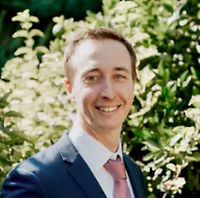
Dr Jonathan Panckhurst
Anaesthetist
-
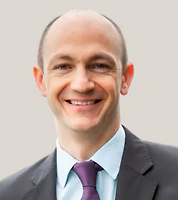
Mr Mark Stewart
Bariatric (Weight Loss) Surgeon
Ages
Adult / Pakeke, Older adult / Kaumātua
How do I access this service?
Referral
A referral is preferred but not essential, however we strongly advise discussing surgery with your GP initially.
Contact us
Referral Expectations
Before your surgery
To help you succeed with your surgery, our programme involves:
- Clinic with surgeon
- Two sessions with a dietitian
- Psychological assessment
- Introductory phone call with bariatric nurse
Some patients require additional support, or have medical issues which need addressing to ensure a safe operation. This may include:
- Review by anaesthetist
- Sleep study
- Cardiology (heart) investigations
Fees and Charges Categorisation
Fees apply
Fees and Charges Description
Insurers may fund all or part of the cost of surgery. Speak directly with your insurance provider to determine how much cover is available under your policy and what their eligibility criteria are.
Mark is a Southern Cross Affiliated Provider and NIB First Choice Member
Hours
| Mon – Tue | 8:00 AM – 12:00 PM |
|---|
Please phone reception on Monday between 8am and 12pm, or email us anytime
Languages Spoken
English
Procedures / Treatments
This service offers support to people who are overweight or obese to reach and maintain a healthy weight. Weight loss approaches may involve diet and lifestyle changes or weight loss medications, or both may be offered.
This service offers support to people who are overweight or obese to reach and maintain a healthy weight. Weight loss approaches may involve diet and lifestyle changes or weight loss medications, or both may be offered.
This service offers support to people who are overweight or obese to reach and maintain a healthy weight. Weight loss approaches may involve diet and lifestyle changes or weight loss medications, or both may be offered.
Bariatric or weight loss surgery refers to a number of different procedures that can be performed to treat obesity. Procedures fall into three main types: Malabsorptive - these procedures involve bypassing a section of the small intestine thus reducing the amount of food absorbed into the body. Laparoscopic Gastric Bypass involves bypassing a section of the intestine so that less food is absorbed. Restrictive - these procedures involve reducing the size of the stomach, usually by creating a small pouch at the top of the stomach which limits the amount of food that can be eaten. Laparoscopic Gastric Banding is a surgical treatment for obesity that involves placing an inflatable cuff around the upper stomach. The cuff can be further inflated or deflated to adjust the volume of food that can be consumed. Malabsorptive/Restrictive Combination - these procedures combine both techniques e.g. gastric bypass surgery in which a small stomach pouch is formed and its outlet connected to part of the small intestine.
Bariatric or weight loss surgery refers to a number of different procedures that can be performed to treat obesity. Procedures fall into three main types: Malabsorptive - these procedures involve bypassing a section of the small intestine thus reducing the amount of food absorbed into the body. Laparoscopic Gastric Bypass involves bypassing a section of the intestine so that less food is absorbed. Restrictive - these procedures involve reducing the size of the stomach, usually by creating a small pouch at the top of the stomach which limits the amount of food that can be eaten. Laparoscopic Gastric Banding is a surgical treatment for obesity that involves placing an inflatable cuff around the upper stomach. The cuff can be further inflated or deflated to adjust the volume of food that can be consumed. Malabsorptive/Restrictive Combination - these procedures combine both techniques e.g. gastric bypass surgery in which a small stomach pouch is formed and its outlet connected to part of the small intestine.
Bariatric or weight loss surgery refers to a number of different procedures that can be performed to treat obesity. Procedures fall into three main types:
Malabsorptive - these procedures involve bypassing a section of the small intestine thus reducing the amount of food absorbed into the body.
Laparoscopic Gastric Bypass involves bypassing a section of the intestine so that less food is absorbed.
Restrictive - these procedures involve reducing the size of the stomach, usually by creating a small pouch at the top of the stomach which limits the amount of food that can be eaten.
Laparoscopic Gastric Banding is a surgical treatment for obesity that involves placing an inflatable cuff around the upper stomach. The cuff can be further inflated or deflated to adjust the volume of food that can be consumed.
Malabsorptive/Restrictive Combination - these procedures combine both techniques e.g. gastric bypass surgery in which a small stomach pouch is formed and its outlet connected to part of the small intestine.
Read about this procedure here
Read about this procedure here
Read about this procedure here
Read about this procedure here
Read about this procedure here
Read about this procedure here
Read about this procedure here
Read about this procedure here
Read about this procedure here
This is a procedure which allows the doctor to see inside your oesophagus, stomach, and the first part of the small intestine (duodenum) and examine the lining directly. What to expect The gastroscope is a plastic-coated tube about as thick as a ballpoint pen and is flexible. It has a tiny camera attached that sends images to a viewing screen. During the test you will swallow the tube but the back of your throat is sprayed with anaesthetic so you don’t feel this. You will be offered a sedative (medicine that will make you sleepy but is not a general anaesthetic) as well. If the doctor sees any abnormalities they can take a biopsy (a small piece of tissue) to send to the laboratory for testing. This is not a painful procedure and will be performed at the day stay unit in a theatre suite (operating room) by a specialist doctor with nurses assisting. Complications from this procedure are very rare but can occur. They include: bleeding after a biopsy, if performed an allergic reaction to the sedative or throat spray perforation (tearing) of the stomach with the instrument (this is a serious but extremely rare complication). Before the procedure You will be asked not to eat anything from midnight the night before and not to take any of your medications on the day of the procedure. After the procedure You will stay in the day stay unit until the sedation has worn off which usually takes 1-2 hours. You will be given something to eat or drink before you go home. If you have been sedated, you are not to drive until the following day. If biopsies are taken these will be sent for analysis and results are available within 2-3 weeks. A report and copies of these are sent to your GP.
This is a procedure which allows the doctor to see inside your oesophagus, stomach, and the first part of the small intestine (duodenum) and examine the lining directly. What to expect The gastroscope is a plastic-coated tube about as thick as a ballpoint pen and is flexible. It has a tiny camera attached that sends images to a viewing screen. During the test you will swallow the tube but the back of your throat is sprayed with anaesthetic so you don’t feel this. You will be offered a sedative (medicine that will make you sleepy but is not a general anaesthetic) as well. If the doctor sees any abnormalities they can take a biopsy (a small piece of tissue) to send to the laboratory for testing. This is not a painful procedure and will be performed at the day stay unit in a theatre suite (operating room) by a specialist doctor with nurses assisting. Complications from this procedure are very rare but can occur. They include: bleeding after a biopsy, if performed an allergic reaction to the sedative or throat spray perforation (tearing) of the stomach with the instrument (this is a serious but extremely rare complication). Before the procedure You will be asked not to eat anything from midnight the night before and not to take any of your medications on the day of the procedure. After the procedure You will stay in the day stay unit until the sedation has worn off which usually takes 1-2 hours. You will be given something to eat or drink before you go home. If you have been sedated, you are not to drive until the following day. If biopsies are taken these will be sent for analysis and results are available within 2-3 weeks. A report and copies of these are sent to your GP.
This is a procedure which allows the doctor to see inside your oesophagus, stomach, and the first part of the small intestine (duodenum) and examine the lining directly.
What to expect
The gastroscope is a plastic-coated tube about as thick as a ballpoint pen and is flexible. It has a tiny camera attached that sends images to a viewing screen. During the test you will swallow the tube but the back of your throat is sprayed with anaesthetic so you don’t feel this. You will be offered a sedative (medicine that will make you sleepy but is not a general anaesthetic) as well. If the doctor sees any abnormalities they can take a biopsy (a small piece of tissue) to send to the laboratory for testing.
This is not a painful procedure and will be performed at the day stay unit in a theatre suite (operating room) by a specialist doctor with nurses assisting.
Complications from this procedure are very rare but can occur. They include:
- bleeding after a biopsy, if performed
- an allergic reaction to the sedative or throat spray
- perforation (tearing) of the stomach with the instrument (this is a serious but extremely rare complication).
Before the procedure
You will be asked not to eat anything from midnight the night before and not to take any of your medications on the day of the procedure.
After the procedure
You will stay in the day stay unit until the sedation has worn off which usually takes 1-2 hours. You will be given something to eat or drink before you go home. If you have been sedated, you are not to drive until the following day.
If biopsies are taken these will be sent for analysis and results are available within 2-3 weeks. A report and copies of these are sent to your GP.
This is a procedure which allows the doctor to see inside your large bowel and examine the surfaces directly and take biopsies (samples of tissue) if needed. Treatment of conditions can also be undertaken. What to expect The colonoscope is a flexible plastic-coated tube a little thicker than a ballpoint pen which has a tiny camera attached that sends images to a viewing screen. You will be given a sedative (medicine that will make you sleepy but is not a general anaesthetic). The tube is passed into the rectum (bottom) and gently moved along the large bowel. The procedure takes from 10 minutes to 1 hour and your oxygen levels and heart rhythm are monitored throughout. The procedure is performed in a day stay operating theatre. Before the procedure You will need to follow a special diet and take some laxatives (medicine to make you go to the toilet) over the days leading up to the test. Risks of a colonoscopy are rare but include: bleeding if a biopsy is performed allergic reaction to the sedative perforation (tearing) of the bowel wall.
This is a procedure which allows the doctor to see inside your large bowel and examine the surfaces directly and take biopsies (samples of tissue) if needed. Treatment of conditions can also be undertaken. What to expect The colonoscope is a flexible plastic-coated tube a little thicker than a ballpoint pen which has a tiny camera attached that sends images to a viewing screen. You will be given a sedative (medicine that will make you sleepy but is not a general anaesthetic). The tube is passed into the rectum (bottom) and gently moved along the large bowel. The procedure takes from 10 minutes to 1 hour and your oxygen levels and heart rhythm are monitored throughout. The procedure is performed in a day stay operating theatre. Before the procedure You will need to follow a special diet and take some laxatives (medicine to make you go to the toilet) over the days leading up to the test. Risks of a colonoscopy are rare but include: bleeding if a biopsy is performed allergic reaction to the sedative perforation (tearing) of the bowel wall.
This is a procedure which allows the doctor to see inside your large bowel and examine the surfaces directly and take biopsies (samples of tissue) if needed. Treatment of conditions can also be undertaken.
What to expect
The colonoscope is a flexible plastic-coated tube a little thicker than a ballpoint pen which has a tiny camera attached that sends images to a viewing screen. You will be given a sedative (medicine that will make you sleepy but is not a general anaesthetic). The tube is passed into the rectum (bottom) and gently moved along the large bowel. The procedure takes from 10 minutes to 1 hour and your oxygen levels and heart rhythm are monitored throughout.
The procedure is performed in a day stay operating theatre.
Before the procedure
You will need to follow a special diet and take some laxatives (medicine to make you go to the toilet) over the days leading up to the test.
Risks of a colonoscopy are rare but include:
- bleeding if a biopsy is performed
- allergic reaction to the sedative
- perforation (tearing) of the bowel wall.
A hernia exists where part of the abdominal wall is weakened, and the contents of the abdomen push through to the outside. This is most commonly seen in the groin area but can occur in other places. Surgical treatment is usually quite straightforward and involves returning the abdominal contents to the inside and then reinforcing the abdominal wall in some way. Hiatus Hernia: Laparoscopic: several small incisions (cuts) are made in the abdomen (stomach) and a narrow tube with a tiny camera attached (laparoscope) is inserted. Small instruments are inserted through the other cuts, allowing the surgeon to push the hernia (part of the stomach and lower oesophagus that is bulging into the chest) back into position in the abdominal cavity. The hiatus (opening) in the diaphragm (a sheet of muscle between the chest and stomach) is tightened and the stomach is stitched into place. Open: an abdominal incision is made over the hernia and the hernia is pushed back into position in the abdominal cavity. The hiatus (opening in the diaphragm) is tightened and the stomach is stitched into place. Fundoplication: during the above procedures, the top part of the stomach (fundus) may be secured in position by wrapping it around the oesophagus. Inguinal Hernia: Laparoscopic: several small incisions are made in the abdomen and a narrow tube with a tiny camera attached (laparoscope) is inserted. Small instruments are inserted through the other cuts, allowing the surgeon to push the hernia (part of the intestine that is bulging through the abdominal wall) back into its original position. The weakness in the abdominal wall is repaired. Open: an abdominal incision is made and the hernia is pushed back into position. The weakness in the abdominal wall is repaired. Umbilical Hernia: An incision is made underneath the navel (tummy button) and the hernia (part of the intestine that is bulging through the abdominal wall) is pushed back into the abdominal cavity. The weakness in the abdominal wall is repaired. Incisional Hernia: Laparoscopic: several small incisions are made in the abdomen and a narrow tube with a tiny camera attached (laparoscope) is inserted. Small instruments are inserted through the other cuts, allowing the surgeon to push the hernia (part of the intestine that is bulging through the abdominal wall) back into its original position. Open: an abdominal incision is made and the hernia is pushed back into position.
A hernia exists where part of the abdominal wall is weakened, and the contents of the abdomen push through to the outside. This is most commonly seen in the groin area but can occur in other places. Surgical treatment is usually quite straightforward and involves returning the abdominal contents to the inside and then reinforcing the abdominal wall in some way. Hiatus Hernia: Laparoscopic: several small incisions (cuts) are made in the abdomen (stomach) and a narrow tube with a tiny camera attached (laparoscope) is inserted. Small instruments are inserted through the other cuts, allowing the surgeon to push the hernia (part of the stomach and lower oesophagus that is bulging into the chest) back into position in the abdominal cavity. The hiatus (opening) in the diaphragm (a sheet of muscle between the chest and stomach) is tightened and the stomach is stitched into place. Open: an abdominal incision is made over the hernia and the hernia is pushed back into position in the abdominal cavity. The hiatus (opening in the diaphragm) is tightened and the stomach is stitched into place. Fundoplication: during the above procedures, the top part of the stomach (fundus) may be secured in position by wrapping it around the oesophagus. Inguinal Hernia: Laparoscopic: several small incisions are made in the abdomen and a narrow tube with a tiny camera attached (laparoscope) is inserted. Small instruments are inserted through the other cuts, allowing the surgeon to push the hernia (part of the intestine that is bulging through the abdominal wall) back into its original position. The weakness in the abdominal wall is repaired. Open: an abdominal incision is made and the hernia is pushed back into position. The weakness in the abdominal wall is repaired. Umbilical Hernia: An incision is made underneath the navel (tummy button) and the hernia (part of the intestine that is bulging through the abdominal wall) is pushed back into the abdominal cavity. The weakness in the abdominal wall is repaired. Incisional Hernia: Laparoscopic: several small incisions are made in the abdomen and a narrow tube with a tiny camera attached (laparoscope) is inserted. Small instruments are inserted through the other cuts, allowing the surgeon to push the hernia (part of the intestine that is bulging through the abdominal wall) back into its original position. Open: an abdominal incision is made and the hernia is pushed back into position.
A hernia exists where part of the abdominal wall is weakened, and the contents of the abdomen push through to the outside. This is most commonly seen in the groin area but can occur in other places. Surgical treatment is usually quite straightforward and involves returning the abdominal contents to the inside and then reinforcing the abdominal wall in some way.
Hiatus Hernia:
Laparoscopic: several small incisions (cuts) are made in the abdomen (stomach) and a narrow tube with a tiny camera attached (laparoscope) is inserted. Small instruments are inserted through the other cuts, allowing the surgeon to push the hernia (part of the stomach and lower oesophagus that is bulging into the chest) back into position in the abdominal cavity. The hiatus (opening) in the diaphragm (a sheet of muscle between the chest and stomach) is tightened and the stomach is stitched into place.
Open: an abdominal incision is made over the hernia and the hernia is pushed back into position in the abdominal cavity. The hiatus (opening in the diaphragm) is tightened and the stomach is stitched into place.
Fundoplication: during the above procedures, the top part of the stomach (fundus) may be secured in position by wrapping it around the oesophagus.
Inguinal Hernia:
Laparoscopic: several small incisions are made in the abdomen and a narrow tube with a tiny camera attached (laparoscope) is inserted. Small instruments are inserted through the other cuts, allowing the surgeon to push the hernia (part of the intestine that is bulging through the abdominal wall) back into its original position. The weakness in the abdominal wall is repaired.
Open: an abdominal incision is made and the hernia is pushed back into position. The weakness in the abdominal wall is repaired.
Umbilical Hernia:
An incision is made underneath the navel (tummy button) and the hernia (part of the intestine that is bulging through the abdominal wall) is pushed back into the abdominal cavity. The weakness in the abdominal wall is repaired.
Incisional Hernia:
Laparoscopic: several small incisions are made in the abdomen and a narrow tube with a tiny camera attached (laparoscope) is inserted. Small instruments are inserted through the other cuts, allowing the surgeon to push the hernia (part of the intestine that is bulging through the abdominal wall) back into its original position.
Open: an abdominal incision is made and the hernia is pushed back into position.
GORD is caused by the backflow (reflux) of food and stomach acid into the oesophagus (the tube that connects the mouth to the stomach) from the stomach. This happens when the valve between the stomach and the lower end of the oesophagus is not working properly. The main symptom of GORD is heartburn (a burning feeling in the stomach and chest).
GORD is caused by the backflow (reflux) of food and stomach acid into the oesophagus (the tube that connects the mouth to the stomach) from the stomach. This happens when the valve between the stomach and the lower end of the oesophagus is not working properly. The main symptom of GORD is heartburn (a burning feeling in the stomach and chest).
Service types: Anti-reflux surgery.
GORD is caused by the backflow (reflux) of food and stomach acid into the oesophagus (the tube that connects the mouth to the stomach) from the stomach. This happens when the valve between the stomach and the lower end of the oesophagus is not working properly. The main symptom of GORD is heartburn (a burning feeling in the stomach and chest).
Gallstones are formed if the gallbladder is not working properly, and the standard treatment is to remove the gallbladder (cholecystectomy). This procedure is usually performed using a laparoscopic (keyhole) approach. Laparoscopic: several small incisions (cuts) are made in the abdomen (stomach) and a narrow tube with a tiny camera attached (laparoscope) is inserted. This allows the surgeon a view of the gallbladder and, by inserting small surgical instruments through the other cuts, the gallbladder can be removed. Open: an abdominal incision is made and the gallbladder removed.
Gallstones are formed if the gallbladder is not working properly, and the standard treatment is to remove the gallbladder (cholecystectomy). This procedure is usually performed using a laparoscopic (keyhole) approach. Laparoscopic: several small incisions (cuts) are made in the abdomen (stomach) and a narrow tube with a tiny camera attached (laparoscope) is inserted. This allows the surgeon a view of the gallbladder and, by inserting small surgical instruments through the other cuts, the gallbladder can be removed. Open: an abdominal incision is made and the gallbladder removed.
Gallstones are formed if the gallbladder is not working properly, and the standard treatment is to remove the gallbladder (cholecystectomy). This procedure is usually performed using a laparoscopic (keyhole) approach.
Laparoscopic: several small incisions (cuts) are made in the abdomen (stomach) and a narrow tube with a tiny camera attached (laparoscope) is inserted. This allows the surgeon a view of the gallbladder and, by inserting small surgical instruments through the other cuts, the gallbladder can be removed.
Open: an abdominal incision is made and the gallbladder removed.
Haemorrhoids are a condition where the veins under the lining of the anus are congested and enlarged. Less severe haemorrhoids can be managed with simple treatments such as injection or banding which can be performed in the clinic while larger ones will require surgery. Haemorrhoid removal: Haemorrhoidectomy: each haemorrhoid or pile is tied off and then cut away. Stapled Haemorrhoidectomy: a circular stapling device is used to pull the haemorrhoid tissue back into its normal position.
Haemorrhoids are a condition where the veins under the lining of the anus are congested and enlarged. Less severe haemorrhoids can be managed with simple treatments such as injection or banding which can be performed in the clinic while larger ones will require surgery. Haemorrhoid removal: Haemorrhoidectomy: each haemorrhoid or pile is tied off and then cut away. Stapled Haemorrhoidectomy: a circular stapling device is used to pull the haemorrhoid tissue back into its normal position.
Haemorrhoids are a condition where the veins under the lining of the anus are congested and enlarged. Less severe haemorrhoids can be managed with simple treatments such as injection or banding which can be performed in the clinic while larger ones will require surgery.
Haemorrhoid removal:
Haemorrhoidectomy: each haemorrhoid or pile is tied off and then cut away.
Stapled Haemorrhoidectomy: a circular stapling device is used to pull the haemorrhoid tissue back into its normal position.
A long, narrow tube with a tiny camera attached (sigmoidoscope) is inserted into your anus and moved through your lower large intestine (bowel). This allows the surgeon a view of the lining of the lower large intestine (sigmoid colon). If necessary, a biopsy (small piece of tissue) may be taken for examination in the laboratory.
A long, narrow tube with a tiny camera attached (sigmoidoscope) is inserted into your anus and moved through your lower large intestine (bowel). This allows the surgeon a view of the lining of the lower large intestine (sigmoid colon). If necessary, a biopsy (small piece of tissue) may be taken for examination in the laboratory.
A long, narrow tube with a tiny camera attached (sigmoidoscope) is inserted into your anus and moved through your lower large intestine (bowel). This allows the surgeon a view of the lining of the lower large intestine (sigmoid colon). If necessary, a biopsy (small piece of tissue) may be taken for examination in the laboratory.
New Zealand has a very high rate of skin cancer, when compared to other countries. The most common forms of skin cancer usually appear on areas of skin that have been over-exposed to the sun. Risk factors for developing skin cancer are: prolonged exposure to the sun; people with fair skin; and possibly over-exposure to UV light from sun beds. There are three main types of skin cancers: basal cell carcinoma, squamous cell carcinoma and malignant melanoma. Basal Cell Carcinoma (BCC): This is the most common type and is found on skin surfaces that are exposed to sun. A BCC remains localised and does not usually spread to other areas of the body. Sometimes BCCs can ulcerate and scab so it is important not to mistake it for a sore. BCCs occur more commonly on the face, back of hands and back. They appear usually as small, red lumps that don’t heal and sometimes bleed or become itchy. They have the tendency to change in size and sometimes in colour. Treatment: Often a BCC can be diagnosed just by its appearance. In other cases it will be removed totally and sent for examination and diagnosis, or a biopsy may be taken and just a sample sent for diagnosis. Removal of a BCC will require an appointment with a doctor or surgeon. It will be termed minor surgery and will require a local anaesthetic (numbing of the area) and possibly some stitches. A very small number of BCCs will require a general anaesthetic (you will sleep through the operation) for removal. Squamous Cell Carcinoma (SCC): This type of skin cancer also affects areas of the skin that have exposure to the sun. The most common area is the face, but an SCC can also affect other parts of the body and can spread to other parts of the body. The spreading (metastasising) can potentially be fatal if not successfully treated. A SCC usually begins as a keratosis that looks like an area of thickened scaly skin, it may then develop into a raised, hard lump which enlarges. SCCs can sometimes be painful. Often the edges are irregular and it can appear wart like, the colour can be reddish brown. Sometimes it can appear like a recurring ulcer that does not heal. All SCCs will need to be removed, because of their potential for spread. The removal and diagnosis is the same as for a BCC. Malignant Melanoma: This is the most serious form of skin cancer. It can spread to other parts of the body and people can die from this disease. A melanoma usually starts as a pigmented growth on normal skin. They often, but not always, occur on areas that have high sun exposure. In some cases, a melanoma may develop from existing pigmented moles. What to look for: an existing mole that changes colour (it may be black, dark blue or even red and white) the colour pigment may be uneven the edges of the mole/freckle may be irregular and have a spreading edge the surface of the mole/freckle may be flaky/crusted and raised sudden growth of an existing or new mole/freckle inflammation and or itchiness surrounding an existing or new mole/freckle. Treatment: It is important that any suspect moles or freckles are checked by a GP or a dermatologist. The sooner a melanoma is treated, there is less chance of it spreading. A biopsy or removal will be carried out depending on the size of the cancer. Tissue samples will be sent for examination, as this will aid in diagnosis and help determine the type of treatment required. If the melanoma has spread more surgery may be required to take more of the affected skin. Samples from lymph nodes that are near to the cancer may be tested for spread, then chemotherapy or radiotherapy may be required to treat this spread. Once a melanoma has been diagnosed, a patient may be referred to an oncologist (a doctor who specialises in cancer). A melanoma that is in the early stages can be treated more successfully and cure rates are much higher than one that has spread.
New Zealand has a very high rate of skin cancer, when compared to other countries. The most common forms of skin cancer usually appear on areas of skin that have been over-exposed to the sun. Risk factors for developing skin cancer are: prolonged exposure to the sun; people with fair skin; and possibly over-exposure to UV light from sun beds. There are three main types of skin cancers: basal cell carcinoma, squamous cell carcinoma and malignant melanoma. Basal Cell Carcinoma (BCC): This is the most common type and is found on skin surfaces that are exposed to sun. A BCC remains localised and does not usually spread to other areas of the body. Sometimes BCCs can ulcerate and scab so it is important not to mistake it for a sore. BCCs occur more commonly on the face, back of hands and back. They appear usually as small, red lumps that don’t heal and sometimes bleed or become itchy. They have the tendency to change in size and sometimes in colour. Treatment: Often a BCC can be diagnosed just by its appearance. In other cases it will be removed totally and sent for examination and diagnosis, or a biopsy may be taken and just a sample sent for diagnosis. Removal of a BCC will require an appointment with a doctor or surgeon. It will be termed minor surgery and will require a local anaesthetic (numbing of the area) and possibly some stitches. A very small number of BCCs will require a general anaesthetic (you will sleep through the operation) for removal. Squamous Cell Carcinoma (SCC): This type of skin cancer also affects areas of the skin that have exposure to the sun. The most common area is the face, but an SCC can also affect other parts of the body and can spread to other parts of the body. The spreading (metastasising) can potentially be fatal if not successfully treated. A SCC usually begins as a keratosis that looks like an area of thickened scaly skin, it may then develop into a raised, hard lump which enlarges. SCCs can sometimes be painful. Often the edges are irregular and it can appear wart like, the colour can be reddish brown. Sometimes it can appear like a recurring ulcer that does not heal. All SCCs will need to be removed, because of their potential for spread. The removal and diagnosis is the same as for a BCC. Malignant Melanoma: This is the most serious form of skin cancer. It can spread to other parts of the body and people can die from this disease. A melanoma usually starts as a pigmented growth on normal skin. They often, but not always, occur on areas that have high sun exposure. In some cases, a melanoma may develop from existing pigmented moles. What to look for: an existing mole that changes colour (it may be black, dark blue or even red and white) the colour pigment may be uneven the edges of the mole/freckle may be irregular and have a spreading edge the surface of the mole/freckle may be flaky/crusted and raised sudden growth of an existing or new mole/freckle inflammation and or itchiness surrounding an existing or new mole/freckle. Treatment: It is important that any suspect moles or freckles are checked by a GP or a dermatologist. The sooner a melanoma is treated, there is less chance of it spreading. A biopsy or removal will be carried out depending on the size of the cancer. Tissue samples will be sent for examination, as this will aid in diagnosis and help determine the type of treatment required. If the melanoma has spread more surgery may be required to take more of the affected skin. Samples from lymph nodes that are near to the cancer may be tested for spread, then chemotherapy or radiotherapy may be required to treat this spread. Once a melanoma has been diagnosed, a patient may be referred to an oncologist (a doctor who specialises in cancer). A melanoma that is in the early stages can be treated more successfully and cure rates are much higher than one that has spread.
New Zealand has a very high rate of skin cancer, when compared to other countries. The most common forms of skin cancer usually appear on areas of skin that have been over-exposed to the sun.
Risk factors for developing skin cancer are: prolonged exposure to the sun; people with fair skin; and possibly over-exposure to UV light from sun beds.
There are three main types of skin cancers: basal cell carcinoma, squamous cell carcinoma and malignant melanoma.
Basal Cell Carcinoma (BCC):
This is the most common type and is found on skin surfaces that are exposed to sun. A BCC remains localised and does not usually spread to other areas of the body. Sometimes BCCs can ulcerate and scab so it is important not to mistake it for a sore.
BCCs occur more commonly on the face, back of hands and back. They appear usually as small, red lumps that don’t heal and sometimes bleed or become itchy. They have the tendency to change in size and sometimes in colour.
Treatment:
Often a BCC can be diagnosed just by its appearance. In other cases it will be removed totally and sent for examination and diagnosis, or a biopsy may be taken and just a sample sent for diagnosis.
Removal of a BCC will require an appointment with a doctor or surgeon. It will be termed minor surgery and will require a local anaesthetic (numbing of the area) and possibly some stitches. A very small number of BCCs will require a general anaesthetic (you will sleep through the operation) for removal.
Squamous Cell Carcinoma (SCC):
This type of skin cancer also affects areas of the skin that have exposure to the sun. The most common area is the face, but an SCC can also affect other parts of the body and can spread to other parts of the body. The spreading (metastasising) can potentially be fatal if not successfully treated.
A SCC usually begins as a keratosis that looks like an area of thickened scaly skin, it may then develop into a raised, hard lump which enlarges. SCCs can sometimes be painful. Often the edges are irregular and it can appear wart like, the colour can be reddish brown. Sometimes it can appear like a recurring ulcer that does not heal.
All SCCs will need to be removed, because of their potential for spread. The removal and diagnosis is the same as for a BCC.
Malignant Melanoma:
This is the most serious form of skin cancer. It can spread to other parts of the body and people can die from this disease.
A melanoma usually starts as a pigmented growth on normal skin. They often, but not always, occur on areas that have high sun exposure. In some cases, a melanoma may develop from existing pigmented moles.
What to look for:
- an existing mole that changes colour (it may be black, dark blue or even red and white)
- the colour pigment may be uneven
- the edges of the mole/freckle may be irregular and have a spreading edge
- the surface of the mole/freckle may be flaky/crusted and raised
- sudden growth of an existing or new mole/freckle
- inflammation and or itchiness surrounding an existing or new mole/freckle.
Treatment:
It is important that any suspect moles or freckles are checked by a GP or a dermatologist. The sooner a melanoma is treated, there is less chance of it spreading.
A biopsy or removal will be carried out depending on the size of the cancer. Tissue samples will be sent for examination, as this will aid in diagnosis and help determine the type of treatment required. If the melanoma has spread more surgery may be required to take more of the affected skin. Samples from lymph nodes that are near to the cancer may be tested for spread, then chemotherapy or radiotherapy may be required to treat this spread.
Once a melanoma has been diagnosed, a patient may be referred to an oncologist (a doctor who specialises in cancer).
A melanoma that is in the early stages can be treated more successfully and cure rates are much higher than one that has spread.
Skin lesions can be divided into two groups: Benign (non-cancerous): e.g. moles, cysts, warts, tags. These may be removed to prevent spreading (warts), stop discomfort if the lesion is being irritated by clothing/jewellery or to improve appearance. Malignant (cancerous): basal cell and squamous cell carcinomas are generally slow growing and unlikely to spread to other parts of the body. Melanoma is a serious skin cancer that can spread to other parts of the body. Urgent removal is recommended. Surgery to remove skin lesions usually involves an office or outpatient visit, local anaesthesia (the area around the scar is numbed by injecting a local anaesthetic) and stitches. You may or may not have a dressing put on the wound and it is important to keep the area dry for 24 hours. Stitches may be removed in 1-2 weeks. You may need to take a few days off work after the surgery.
Skin lesions can be divided into two groups: Benign (non-cancerous): e.g. moles, cysts, warts, tags. These may be removed to prevent spreading (warts), stop discomfort if the lesion is being irritated by clothing/jewellery or to improve appearance. Malignant (cancerous): basal cell and squamous cell carcinomas are generally slow growing and unlikely to spread to other parts of the body. Melanoma is a serious skin cancer that can spread to other parts of the body. Urgent removal is recommended. Surgery to remove skin lesions usually involves an office or outpatient visit, local anaesthesia (the area around the scar is numbed by injecting a local anaesthetic) and stitches. You may or may not have a dressing put on the wound and it is important to keep the area dry for 24 hours. Stitches may be removed in 1-2 weeks. You may need to take a few days off work after the surgery.
Skin lesions can be divided into two groups:
- Benign (non-cancerous): e.g. moles, cysts, warts, tags. These may be removed to prevent spreading (warts), stop discomfort if the lesion is being irritated by clothing/jewellery or to improve appearance.
- Malignant (cancerous): basal cell and squamous cell carcinomas are generally slow growing and unlikely to spread to other parts of the body. Melanoma is a serious skin cancer that can spread to other parts of the body. Urgent removal is recommended.
Surgery to remove skin lesions usually involves an office or outpatient visit, local anaesthesia (the area around the scar is numbed by injecting a local anaesthetic) and stitches. You may or may not have a dressing put on the wound and it is important to keep the area dry for 24 hours. Stitches may be removed in 1-2 weeks. You may need to take a few days off work after the surgery.
Shave Biopsy: the top layers of skin in the area being investigated are shaved off with a scalpel (surgical knife) for investigation under a microscope. Punch Biopsy: a small cylindrical core of tissue is taken from the area being investigated for examination under a microscope. Excision Biopsy: all of the lesion or area being investigated is cut out with a scalpel for examination under a microscope. Incision Biopsy: part of the lesion is cut out with a scalpel for examination under a microscope.
Shave Biopsy: the top layers of skin in the area being investigated are shaved off with a scalpel (surgical knife) for investigation under a microscope. Punch Biopsy: a small cylindrical core of tissue is taken from the area being investigated for examination under a microscope. Excision Biopsy: all of the lesion or area being investigated is cut out with a scalpel for examination under a microscope. Incision Biopsy: part of the lesion is cut out with a scalpel for examination under a microscope.
Shave Biopsy: the top layers of skin in the area being investigated are shaved off with a scalpel (surgical knife) for investigation under a microscope.
Punch Biopsy: a small cylindrical core of tissue is taken from the area being investigated for examination under a microscope.
Excision Biopsy: all of the lesion or area being investigated is cut out with a scalpel for examination under a microscope.
Incision Biopsy: part of the lesion is cut out with a scalpel for examination under a microscope.
Partial: the diseased part of the stomach is removed and the remaining section is reattached to the oesophagus (food pipe) or small intestine. Total: all of the stomach is removed and the oesophagus is attached directly to the small intestine.
Partial: the diseased part of the stomach is removed and the remaining section is reattached to the oesophagus (food pipe) or small intestine. Total: all of the stomach is removed and the oesophagus is attached directly to the small intestine.
Partial: the diseased part of the stomach is removed and the remaining section is reattached to the oesophagus (food pipe) or small intestine.
Total: all of the stomach is removed and the oesophagus is attached directly to the small intestine.
A range of surgical procedures may be performed on the pancreas, most involving removal of part of the pancreas. Surgery is most commonly required for pancreatic cancer but sometimes for pre-cancerous lesions. Types of surgery include: Whipple procedure: for lesions in the head of the pancreas Distal pancreatectomy: for lesions in the tail or body of the pancreas Total pancreatectomy Surgery may involve: A single large cut in the stomach (open) Using a tiny camera and tools inserted through several small cuts in the stomach (laparoscopic) Robotic arms used by the surgeon to help make the surgery more precise (robot-assisted)
A range of surgical procedures may be performed on the pancreas, most involving removal of part of the pancreas. Surgery is most commonly required for pancreatic cancer but sometimes for pre-cancerous lesions. Types of surgery include: Whipple procedure: for lesions in the head of the pancreas Distal pancreatectomy: for lesions in the tail or body of the pancreas Total pancreatectomy Surgery may involve: A single large cut in the stomach (open) Using a tiny camera and tools inserted through several small cuts in the stomach (laparoscopic) Robotic arms used by the surgeon to help make the surgery more precise (robot-assisted)
A range of surgical procedures may be performed on the pancreas, most involving removal of part of the pancreas. Surgery is most commonly required for pancreatic cancer but sometimes for pre-cancerous lesions.
Types of surgery include:
- Whipple procedure: for lesions in the head of the pancreas
- Distal pancreatectomy: for lesions in the tail or body of the pancreas
- Total pancreatectomy
Surgery may involve:
- A single large cut in the stomach (open)
- Using a tiny camera and tools inserted through several small cuts in the stomach (laparoscopic)
- Robotic arms used by the surgeon to help make the surgery more precise (robot-assisted)
The spleen is a soft fleshy organ in the upper left abdomen that is involved in the formation and cleansing of blood. It may need to be removed if it becomes enlarged, has a tumour or cyst, or in the presence of certain blood disorders. Laparoscopic: involves cutting the spleen free from its attachments and removing it through several small incisions (cuts) in the upper left abdomen. Open: an incision is made in the upper left abdomen, the diseased or damaged spleen is then separated from its attachments and removed.
The spleen is a soft fleshy organ in the upper left abdomen that is involved in the formation and cleansing of blood. It may need to be removed if it becomes enlarged, has a tumour or cyst, or in the presence of certain blood disorders. Laparoscopic: involves cutting the spleen free from its attachments and removing it through several small incisions (cuts) in the upper left abdomen. Open: an incision is made in the upper left abdomen, the diseased or damaged spleen is then separated from its attachments and removed.
The spleen is a soft fleshy organ in the upper left abdomen that is involved in the formation and cleansing of blood. It may need to be removed if it becomes enlarged, has a tumour or cyst, or in the presence of certain blood disorders.
Laparoscopic: involves cutting the spleen free from its attachments and removing it through several small incisions (cuts) in the upper left abdomen.
Open: an incision is made in the upper left abdomen, the diseased or damaged spleen is then separated from its attachments and removed.
This is cancer that begins in your colon or rectum. Often, it may start as a polyp which is a growth of abnormal tissue on the lining of the colon or rectum. Most people will not have symptoms of colorectal cancer until the disease is at a fairly advanced stage. Then they may experience symptoms such as: change in bowel habit that lasts for more than a few days blood in the stool stomach pain. Tests used to confirm a diagnosis of colorectal cancer include: stool blood test – a sample of stool is tested for traces of blood sigmoidoscopy colonoscopy barium enema – a chalky white substance (barium) and air are pumped into the colon and x-rays are taken biopsy – a small piece of tissue is removed for examination under a microscope Stool blood tests, sigmoidoscopy, colonoscopy and barium enemas are also used as screening tests to look for colorectal cancer in people without symptoms. If these tests find cancers at an early stage, the chances of successful treatment are much higher than when the cancers are further advanced. Screening tests can also involve the removal of polyps that may become cancerous in the future. Treatment The choice of treatment depends on your overall health as well as how far advanced the cancer is. This is determined in a process known as ‘staging’ in which the tumour size, lymph node involvement and spread to other organs is assessed. The three main forms of treatment for colorectal cancer are: Surgery – the most common treatment. Surgery may involve ‘Open Surgery’ in which a large incision (cut) is made in your abdomen or ‘Laparoscopic Surgery’ in which several much smaller incisions are made. The section of the colon or rectum with the cancer is removed and the two ends are reconnected. In some cases, a temporary or permanent colostomy may be required to remove body wastes. Chemotherapy – anticancer medicines, either taken by mouth (oral) or injected into a vein (intravenous), can destroy cancer cells and slow tumour growth. Chemotherapy is useful to treat cancers that have spread to other parts of the body and may also be used before or after surgery or in combination with radiation therapy. Radiation Therapy – high energy x-rays are used to destroy cancer cells or shrink tumours. It is often used together with surgery, in some cases to shrink the tumour before surgery, or to destroy any cells that may be left behind after surgery.
This is cancer that begins in your colon or rectum. Often, it may start as a polyp which is a growth of abnormal tissue on the lining of the colon or rectum. Most people will not have symptoms of colorectal cancer until the disease is at a fairly advanced stage. Then they may experience symptoms such as: change in bowel habit that lasts for more than a few days blood in the stool stomach pain. Tests used to confirm a diagnosis of colorectal cancer include: stool blood test – a sample of stool is tested for traces of blood sigmoidoscopy colonoscopy barium enema – a chalky white substance (barium) and air are pumped into the colon and x-rays are taken biopsy – a small piece of tissue is removed for examination under a microscope Stool blood tests, sigmoidoscopy, colonoscopy and barium enemas are also used as screening tests to look for colorectal cancer in people without symptoms. If these tests find cancers at an early stage, the chances of successful treatment are much higher than when the cancers are further advanced. Screening tests can also involve the removal of polyps that may become cancerous in the future. Treatment The choice of treatment depends on your overall health as well as how far advanced the cancer is. This is determined in a process known as ‘staging’ in which the tumour size, lymph node involvement and spread to other organs is assessed. The three main forms of treatment for colorectal cancer are: Surgery – the most common treatment. Surgery may involve ‘Open Surgery’ in which a large incision (cut) is made in your abdomen or ‘Laparoscopic Surgery’ in which several much smaller incisions are made. The section of the colon or rectum with the cancer is removed and the two ends are reconnected. In some cases, a temporary or permanent colostomy may be required to remove body wastes. Chemotherapy – anticancer medicines, either taken by mouth (oral) or injected into a vein (intravenous), can destroy cancer cells and slow tumour growth. Chemotherapy is useful to treat cancers that have spread to other parts of the body and may also be used before or after surgery or in combination with radiation therapy. Radiation Therapy – high energy x-rays are used to destroy cancer cells or shrink tumours. It is often used together with surgery, in some cases to shrink the tumour before surgery, or to destroy any cells that may be left behind after surgery.
This is cancer that begins in your colon or rectum. Often, it may start as a polyp which is a growth of abnormal tissue on the lining of the colon or rectum.
Most people will not have symptoms of colorectal cancer until the disease is at a fairly advanced stage. Then they may experience symptoms such as:
- change in bowel habit that lasts for more than a few days
- blood in the stool
- stomach pain.
Tests used to confirm a diagnosis of colorectal cancer include:
- stool blood test – a sample of stool is tested for traces of blood
- sigmoidoscopy
- colonoscopy
- barium enema – a chalky white substance (barium) and air are pumped into the colon and x-rays are taken
- biopsy – a small piece of tissue is removed for examination under a microscope
Stool blood tests, sigmoidoscopy, colonoscopy and barium enemas are also used as screening tests to look for colorectal cancer in people without symptoms. If these tests find cancers at an early stage, the chances of successful treatment are much higher than when the cancers are further advanced. Screening tests can also involve the removal of polyps that may become cancerous in the future.
Treatment
The choice of treatment depends on your overall health as well as how far advanced the cancer is. This is determined in a process known as ‘staging’ in which the tumour size, lymph node involvement and spread to other organs is assessed.
The three main forms of treatment for colorectal cancer are:
Surgery – the most common treatment. Surgery may involve ‘Open Surgery’ in which a large incision (cut) is made in your abdomen or ‘Laparoscopic Surgery’ in which several much smaller incisions are made. The section of the colon or rectum with the cancer is removed and the two ends are reconnected. In some cases, a temporary or permanent colostomy may be required to remove body wastes.
Chemotherapy – anticancer medicines, either taken by mouth (oral) or injected into a vein (intravenous), can destroy cancer cells and slow tumour growth. Chemotherapy is useful to treat cancers that have spread to other parts of the body and may also be used before or after surgery or in combination with radiation therapy.
Radiation Therapy – high energy x-rays are used to destroy cancer cells or shrink tumours. It is often used together with surgery, in some cases to shrink the tumour before surgery, or to destroy any cells that may be left behind after surgery.
Laparoscopic: several small incisions (cuts) are made in the abdomen and a narrow tube with a tiny camera attached (laparoscope) is inserted. This allows the surgeon a view of the colon and, by inserting small surgical instruments through the other cuts, part or all of the colon can be removed. Open: an abdominal incision is made and part or all of the colon is removed.
Laparoscopic: several small incisions (cuts) are made in the abdomen and a narrow tube with a tiny camera attached (laparoscope) is inserted. This allows the surgeon a view of the colon and, by inserting small surgical instruments through the other cuts, part or all of the colon can be removed. Open: an abdominal incision is made and part or all of the colon is removed.
Laparoscopic: several small incisions (cuts) are made in the abdomen and a narrow tube with a tiny camera attached (laparoscope) is inserted. This allows the surgeon a view of the colon and, by inserting small surgical instruments through the other cuts, part or all of the colon can be removed.
Open: an abdominal incision is made and part or all of the colon is removed.
Laparoscopic: several small incisions (cuts) are made in the lower right abdomen (stomach) and a narrow tube with a tiny camera attached (laparoscope) in inserted. This allows the surgeon a view of the appendix and, by inserting small surgical instruments through the other cuts, the appendix can be removed. Open: an incision is made in the lower right abdomen and the appendix removed.
Laparoscopic: several small incisions (cuts) are made in the lower right abdomen (stomach) and a narrow tube with a tiny camera attached (laparoscope) in inserted. This allows the surgeon a view of the appendix and, by inserting small surgical instruments through the other cuts, the appendix can be removed. Open: an incision is made in the lower right abdomen and the appendix removed.
Laparoscopic: several small incisions (cuts) are made in the lower right abdomen (stomach) and a narrow tube with a tiny camera attached (laparoscope) in inserted. This allows the surgeon a view of the appendix and, by inserting small surgical instruments through the other cuts, the appendix can be removed.
Open: an incision is made in the lower right abdomen and the appendix removed.
An opening is made in the skin of the abdomen (stomach) to allow drainage of stools (faeces) from the colon into a collection bag on the outside. This may be temporary to allow time for healing of the colon or, if the entire colon has been removed, it may be permanent.
An opening is made in the skin of the abdomen (stomach) to allow drainage of stools (faeces) from the colon into a collection bag on the outside. This may be temporary to allow time for healing of the colon or, if the entire colon has been removed, it may be permanent.
An opening is made in the skin of the abdomen (stomach) to allow drainage of stools (faeces) from the colon into a collection bag on the outside. This may be temporary to allow time for healing of the colon or, if the entire colon has been removed, it may be permanent.
Conditions of the gut dealt with by general surgery include disorders of the oesophagus, stomach, small bowel, large bowel and anus. These range from complex conditions such as ulceration or cancer in the bowel through to fairly minor conditions such as haemorrhoids. Many of the more major conditions such as bowel cancer will require surgery, or sometimes treatment with medication, chemotherapy or radiotherapy. Haemorrhoids are a condition where the veins under the lining of the anus are congested and enlarged. Less severe haemorrhoids can be managed with simple treatments such as injection or banding which can be performed in the clinic while larger ones will require surgery.
Conditions of the gut dealt with by general surgery include disorders of the oesophagus, stomach, small bowel, large bowel and anus. These range from complex conditions such as ulceration or cancer in the bowel through to fairly minor conditions such as haemorrhoids. Many of the more major conditions such as bowel cancer will require surgery, or sometimes treatment with medication, chemotherapy or radiotherapy. Haemorrhoids are a condition where the veins under the lining of the anus are congested and enlarged. Less severe haemorrhoids can be managed with simple treatments such as injection or banding which can be performed in the clinic while larger ones will require surgery.
Conditions of the gut dealt with by general surgery include disorders of the oesophagus, stomach, small bowel, large bowel and anus. These range from complex conditions such as ulceration or cancer in the bowel through to fairly minor conditions such as haemorrhoids. Many of the more major conditions such as bowel cancer will require surgery, or sometimes treatment with medication, chemotherapy or radiotherapy.
Haemorrhoids are a condition where the veins under the lining of the anus are congested and enlarged. Less severe haemorrhoids can be managed with simple treatments such as injection or banding which can be performed in the clinic while larger ones will require surgery.
A hydrocoele is a fluid-filled mass that forms in the scrotum. In many cases it will disappear by itself, but sometimes surgery is required to drain the fluid out.
A hydrocoele is a fluid-filled mass that forms in the scrotum. In many cases it will disappear by itself, but sometimes surgery is required to drain the fluid out.
A hydrocoele is a fluid-filled mass that forms in the scrotum. In many cases it will disappear by itself, but sometimes surgery is required to drain the fluid out.
Disability Assistance
Wheelchair access, Wheelchair accessible toilet, Mobility parking space
Additional Details
Face to face / Kanohi ki te Kanohi, Phone, Online / virtual / app
Parking
Free parking at Lower Queen Street Health
Pharmacy
Find your nearest pharmacy here

Contact Details
Lower Queen St Health, 349-355 Lower Queen Street, Richmond
Nelson Marlborough
-
Phone
(03) 544 8818
Healthlink EDI
tasmands
Email
Website
LQS Specialists, 349-355 Lower Queen Street
Appleby
Richmond
Tasman 7020
Street Address
LQS Specialists, 349-355 Lower Queen Street
Appleby
Richmond
Tasman 7020
Was this page helpful?
This page was last updated at 3:38PM on November 27, 2025. This information is reviewed and edited by Nelson Weight Loss Surgery.