
Waikato > Private Hospitals & Specialists >
Heart Surgeon Group
Private Service, Cardiothoracic Surgery
Description
Heart Surgeon Group was established in 2018 to make specialist heart surgery more accessible, bringing together experienced cardiothoracic surgeons and a collaborative team committed to patient-first care.
Based in the Waikato, our surgeons operate at both Waikato Hospital and Braemar Hospital, offering patients access to both public and private pathways. Through our private service, patients can move efficiently from consultation to treatment, while receiving highly personalised, specialist care.
Prof McCormack and Prof Patel provide patient-centered care ensuring your values are considered throughout your surgical journey.
We are guided by principles of respect, collaboration, and surgical excellence. Central to our approach is a belief that strong communication and continuity of care are essential to building trust and achieving the best outcomes.
Heart Surgeon Group operates as a team-based practice. Our surgeons work collegially, ensuring every patient benefits from shared expertise, collective decision-making, and a broader depth of clinical insight.
Since our establishment, Heart Surgeon Group has cared for over 700 patients, reflecting our experience and commitment to high-quality outcomes.
Patients choosing care at Braemar Hospital also benefit from a premium recovery experience, including private rooms, high-quality meals, personalised physiotherapy and dedicated nursing support, all designed to support a smooth and comfortable recovery.
We work with precision and efficiency, meaning treatment can often begin shortly after your initial consultation.
Heart Surgeon Group provides a comprehensive range of cardiothoracic surgical services, including:
- Coronary artery bypass grafting (CABG)
- Valve reconstruction and replacement (mitral, aortic, and tricuspid valves)
- Aortic surgical reconstruction
- Cardiac mass excision
- Bentall and redo surgery
- Aortic monitoring clinic (for patients requiring ongoing surveillance rather than immediate surgery)
- Wire removal procedures
Consultants
-

Professor David McCormack
Cardiothoracic Surgeon
-
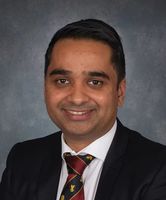
Prof Nishith Patel
Cardiothoracic Surgeon
Ages
Adult / Pakeke, Older adult / Kaumātua
How do I access this service?
Referral
Referral Expectations
You will be seen by one of our surgeons for specialist assessment and management of symptoms. Your surgeon will work in collaboration with your cardiologist, GP and any other health professionals involved in your care keeping them informed of the outcome of these consultations. Some of the topics that can be discussed include:
- Pain assessment
- Review of symptoms
- Past medical history
- Treatment options
- Recovery from surgery
If an operation is necessary, you will be given the opportunity to meet your anaesthetist. You can discuss fully the process of anaesthesia and they will answer any questions you have.
If you require surgery, we will arrange an operation date that is convenient for you. You will be cared for by a skilled and knowledgeable expert team in the excellent facilities of Braemar Hospital including high quality theatres with the latest technologies.
Fees and Charges Description
If you have medical insurance, we can guide you throughout the pre-approval & claim process. Just contact us, we're happy to help and give advice on all insurances.
We are proud Affiliated Providers of all major health insurances; Southern Cross Medical Insurance, nib First Choice Medical Insurance, AIA Insurance NZ, Accuro Health Insurance, UniMed Health Insurance and New Zealand Police Association Insurance.


Procedures / Treatments
When the arteries that supply the heart with blood (coronary arteries) become blocked with fatty substances, surgery may be required to restore blood flow to the heart muscle. Coronary Artery Bypass Surgery uses pieces of arteries from the arm or chest or from veins in the leg to create a detour around the blocked coronary artery. The procedure involves making a cut through the front of the chest and breastbone (sternotomy) to expose the heart. The heart is then stopped and its function taken over by a heart-lung machine. Once the new blood vessels are in place, the heart is restarted, the heart-lung machine disconnected and the breastbone closed with wires. The operation usually takes between three and five hours.
When the arteries that supply the heart with blood (coronary arteries) become blocked with fatty substances, surgery may be required to restore blood flow to the heart muscle. Coronary Artery Bypass Surgery uses pieces of arteries from the arm or chest or from veins in the leg to create a detour around the blocked coronary artery. The procedure involves making a cut through the front of the chest and breastbone (sternotomy) to expose the heart. The heart is then stopped and its function taken over by a heart-lung machine. Once the new blood vessels are in place, the heart is restarted, the heart-lung machine disconnected and the breastbone closed with wires. The operation usually takes between three and five hours.
When the arteries that supply the heart with blood (coronary arteries) become blocked with fatty substances, surgery may be required to restore blood flow to the heart muscle.
Coronary Artery Bypass Surgery uses pieces of arteries from the arm or chest or from veins in the leg to create a detour around the blocked coronary artery.
The procedure involves making a cut through the front of the chest and breastbone (sternotomy) to expose the heart. The heart is then stopped and its function taken over by a heart-lung machine. Once the new blood vessels are in place, the heart is restarted, the heart-lung machine disconnected and the breastbone closed with wires. The operation usually takes between three and five hours.
There are four major heart valves that control blood flow through the heart. If the valves become narrow (stenosis) so that blood flow through them becomes difficult, or leaky so that some blood flows in the wrong direction, they may need to be repaired or replaced. Valves may be damaged by diseases such as rheumatic fever or bacterial infection, degenerate with age or may not be formed properly at birth. Heart valve surgery involves making a cut through the front of the chest and breastbone (sternotomy) to expose the heart. The heart is then stopped and its function taken over by a heart-lung machine. Part of the heart is then opened and the valve repaired or possibly replaced using a human donor valve, a valve from a pig or cow or an artificial valve. The heart is then restarted, the heart-lung machine disconnected and the breastbone closed with wires. The operation usually takes between three and five hours.
There are four major heart valves that control blood flow through the heart. If the valves become narrow (stenosis) so that blood flow through them becomes difficult, or leaky so that some blood flows in the wrong direction, they may need to be repaired or replaced. Valves may be damaged by diseases such as rheumatic fever or bacterial infection, degenerate with age or may not be formed properly at birth. Heart valve surgery involves making a cut through the front of the chest and breastbone (sternotomy) to expose the heart. The heart is then stopped and its function taken over by a heart-lung machine. Part of the heart is then opened and the valve repaired or possibly replaced using a human donor valve, a valve from a pig or cow or an artificial valve. The heart is then restarted, the heart-lung machine disconnected and the breastbone closed with wires. The operation usually takes between three and five hours.
There are four major heart valves that control blood flow through the heart. If the valves become narrow (stenosis) so that blood flow through them becomes difficult, or leaky so that some blood flows in the wrong direction, they may need to be repaired or replaced. Valves may be damaged by diseases such as rheumatic fever or bacterial infection, degenerate with age or may not be formed properly at birth.
Heart valve surgery involves making a cut through the front of the chest and breastbone (sternotomy) to expose the heart. The heart is then stopped and its function taken over by a heart-lung machine. Part of the heart is then opened and the valve repaired or possibly replaced using a human donor valve, a valve from a pig or cow or an artificial valve. The heart is then restarted, the heart-lung machine disconnected and the breastbone closed with wires. The operation usually takes between three and five hours.
Sometimes people are born with abnormalities of the heart or major blood vessels. Surgery may be required to repair these defects and may be performed during childhood or left until adulthood. Congenital heart surgery can involve: Repairing the abnormality e.g. repairing defects in the internal walls of the heart with stitches or a patch made from the patient’s own tissue or from an artificial source or A procedure that will make the patient feel more comfortable but that will not necessarily correct the defect e.g. inserting a tube to connect the aorta to the pulmonary artery to increase the blood flow to the lungs. When the arteries that supply the heart with blood (coronary arteries) become blocked with fatty substances, surgery may be required to restore blood flow to the heart muscle. Coronary Artery Bypass Surgery uses pieces of arteries from the arm or chest or from veins in the leg to create a detour around the blocked coronary artery. The procedure involves making a cut through the front of the chest and breastbone (sternotomy) to expose the heart. The heart is then stopped and its function taken over by a heart-lung machine. Once the new blood vessels are in place, the heart is restarted, the heart-lung machine disconnected and the breastbone closed with wires. The operation usually takes between three and five hours.
Sometimes people are born with abnormalities of the heart or major blood vessels. Surgery may be required to repair these defects and may be performed during childhood or left until adulthood. Congenital heart surgery can involve: Repairing the abnormality e.g. repairing defects in the internal walls of the heart with stitches or a patch made from the patient’s own tissue or from an artificial source or A procedure that will make the patient feel more comfortable but that will not necessarily correct the defect e.g. inserting a tube to connect the aorta to the pulmonary artery to increase the blood flow to the lungs. When the arteries that supply the heart with blood (coronary arteries) become blocked with fatty substances, surgery may be required to restore blood flow to the heart muscle. Coronary Artery Bypass Surgery uses pieces of arteries from the arm or chest or from veins in the leg to create a detour around the blocked coronary artery. The procedure involves making a cut through the front of the chest and breastbone (sternotomy) to expose the heart. The heart is then stopped and its function taken over by a heart-lung machine. Once the new blood vessels are in place, the heart is restarted, the heart-lung machine disconnected and the breastbone closed with wires. The operation usually takes between three and five hours.
Sometimes people are born with abnormalities of the heart or major blood vessels. Surgery may be required to repair these defects and may be performed during childhood or left until adulthood.
Congenital heart surgery can involve:
- Repairing the abnormality e.g. repairing defects in the internal walls of the heart with stitches or a patch made from the patient’s own tissue or from an artificial source or
- A procedure that will make the patient feel more comfortable but that will not necessarily correct the defect e.g. inserting a tube to connect the aorta to the pulmonary artery to increase the blood flow to the lungs.
When the arteries that supply the heart with blood (coronary arteries) become blocked with fatty substances, surgery may be required to restore blood flow to the heart muscle.
Coronary Artery Bypass Surgery uses pieces of arteries from the arm or chest or from veins in the leg to create a detour around the blocked coronary artery.
The procedure involves making a cut through the front of the chest and breastbone (sternotomy) to expose the heart. The heart is then stopped and its function taken over by a heart-lung machine. Once the new blood vessels are in place, the heart is restarted, the heart-lung machine disconnected and the breastbone closed with wires. The operation usually takes between three and five hours.
This is the dilatation or ballooning of a section of the aorta which is the main artery coming out of the heart. An aneurysm usually occurs because of an underlying weakness in the wall of the aorta at that point. Very often you will not have any symptoms from the aneurysm and it may only be discovered through a chest x-ray or CT scan. If the aneurysm begins to get larger or leak, you may experience chest or back pain. If there is a risk of the aneurysm bursting, surgery will be required. Treatment Endovascular therapy: a long thin tube (catheter) is inserted through a small incision (cut) made in the groin in the groin. The catheter is guided to the site of the aneurysm and a graft (synthetic tube) or stent (a metal tube) is put in place to relieve the pressure on the aneurysm. Conventional: an incision is made in the abdomen or chest and the weakened part of the aorta is replaced with a graft.
This is the dilatation or ballooning of a section of the aorta which is the main artery coming out of the heart. An aneurysm usually occurs because of an underlying weakness in the wall of the aorta at that point. Very often you will not have any symptoms from the aneurysm and it may only be discovered through a chest x-ray or CT scan. If the aneurysm begins to get larger or leak, you may experience chest or back pain. If there is a risk of the aneurysm bursting, surgery will be required. Treatment Endovascular therapy: a long thin tube (catheter) is inserted through a small incision (cut) made in the groin in the groin. The catheter is guided to the site of the aneurysm and a graft (synthetic tube) or stent (a metal tube) is put in place to relieve the pressure on the aneurysm. Conventional: an incision is made in the abdomen or chest and the weakened part of the aorta is replaced with a graft.
This is the dilatation or ballooning of a section of the aorta which is the main artery coming out of the heart. An aneurysm usually occurs because of an underlying weakness in the wall of the aorta at that point.
Very often you will not have any symptoms from the aneurysm and it may only be discovered through a chest x-ray or CT scan. If the aneurysm begins to get larger or leak, you may experience chest or back pain.
If there is a risk of the aneurysm bursting, surgery will be required.
Treatment
Endovascular therapy: a long thin tube (catheter) is inserted through a small incision (cut) made in the groin in the groin. The catheter is guided to the site of the aneurysm and a graft (synthetic tube) or stent (a metal tube) is put in place to relieve the pressure on the aneurysm.
Conventional: an incision is made in the abdomen or chest and the weakened part of the aorta is replaced with a graft.
Disability Assistance
Wheelchair access
Online Booking URL
Parking
Free parking is provided at Braemar Hospital.
Pharmacy
Website
Contact Details
-
Phone
027 787 4366
-
Fax
(07) 843 9815
-
Mobile
027 SURGEON (027 787 4366)
Email
Website
Braemar Hospital
24 Ohaupo Road
Hamilton Lake
Hamilton
Waikato 3204
Street Address
Braemar Hospital
24 Ohaupo Road
Hamilton Lake
Hamilton
Waikato 3204
Was this page helpful?
This page was last updated at 11:58AM on April 21, 2026. This information is reviewed and edited by Heart Surgeon Group.