
Wellington > Private Hospitals & Specialists > Evolution Healthcare >
Wakefield Hospital - Cardiothoracic Surgery
Private Surgical Service, Cardiothoracic Surgery
Description
Wakefield Hospital is the largest private hospital in the Wellington region. It is located in the suburb of Newtown and is owned and operated by parent company Evolution Healthcare (NZ) Limited.
Based in the heart of Wellington, Wakefield Hospital offers a wide range of high-quality private healthcare services with a team of experienced specialists and the latest in techniques and equipment available. We have a proud history of offering our patients the very best of care in our modern and comfortable facilities.
Private healthcare allows choice, flexibility and access to specialists who use the latest techniques in treatment. You are free to nominate your specialist and can expect your consultation and treatment in a timely manner without waiting list restrictions. Early treatment and intervention is often pivotal in ensuring the best outcome for patients.
Consultants
-
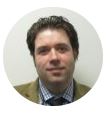
Professor Sean Galvin
Cardiothoracic Surgeon
-

Mr James McGiven
Cardiothoracic Surgeon
-

Mr John Riordan
Cardiothoracic Surgeon
Procedures / Treatments
When the arteries that supply the heart with blood (coronary arteries) become blocked with fatty substances, surgery may be required to restore blood flow to the heart muscle. Coronary Artery Bypass Surgery uses pieces of arteries from the arm or chest or from veins in the leg to create a detour around the blocked coronary artery. The procedure involves making a cut through the front of the chest and breastbone (sternotomy) to expose the heart. The heart is then stopped and its function taken over by a heart-lung machine. Once the new blood vessels are in place, the heart is restarted, the heart-lung machine disconnected and the breastbone closed with wires. The operation usually takes between three and five hours.
When the arteries that supply the heart with blood (coronary arteries) become blocked with fatty substances, surgery may be required to restore blood flow to the heart muscle. Coronary Artery Bypass Surgery uses pieces of arteries from the arm or chest or from veins in the leg to create a detour around the blocked coronary artery. The procedure involves making a cut through the front of the chest and breastbone (sternotomy) to expose the heart. The heart is then stopped and its function taken over by a heart-lung machine. Once the new blood vessels are in place, the heart is restarted, the heart-lung machine disconnected and the breastbone closed with wires. The operation usually takes between three and five hours.
When the arteries that supply the heart with blood (coronary arteries) become blocked with fatty substances, surgery may be required to restore blood flow to the heart muscle.
Coronary Artery Bypass Surgery uses pieces of arteries from the arm or chest or from veins in the leg to create a detour around the blocked coronary artery.
The procedure involves making a cut through the front of the chest and breastbone (sternotomy) to expose the heart. The heart is then stopped and its function taken over by a heart-lung machine. Once the new blood vessels are in place, the heart is restarted, the heart-lung machine disconnected and the breastbone closed with wires. The operation usually takes between three and five hours.
There are four major heart valves that control blood flow through the heart. If the valves become narrow (stenosis) so that blood flow through them becomes difficult, or leaky so that some blood flows in the wrong direction, they may need to be repaired or replaced. Valves may be damaged by diseases such as rheumatic fever or bacterial infection, degenerate with age or may not be formed properly at birth. Heart valve surgery involves making a cut through the front of the chest and breastbone (sternotomy) to expose the heart. The heart is then stopped and its function taken over by a heart-lung machine. Part of the heart is then opened and the valve repaired or possibly replaced using a human donor valve, a valve from a pig or cow or an artificial valve. The heart is then restarted, the heart-lung machine disconnected and the breastbone closed with wires. The operation usually takes between three and five hours.
There are four major heart valves that control blood flow through the heart. If the valves become narrow (stenosis) so that blood flow through them becomes difficult, or leaky so that some blood flows in the wrong direction, they may need to be repaired or replaced. Valves may be damaged by diseases such as rheumatic fever or bacterial infection, degenerate with age or may not be formed properly at birth. Heart valve surgery involves making a cut through the front of the chest and breastbone (sternotomy) to expose the heart. The heart is then stopped and its function taken over by a heart-lung machine. Part of the heart is then opened and the valve repaired or possibly replaced using a human donor valve, a valve from a pig or cow or an artificial valve. The heart is then restarted, the heart-lung machine disconnected and the breastbone closed with wires. The operation usually takes between three and five hours.
There are four major heart valves that control blood flow through the heart. If the valves become narrow (stenosis) so that blood flow through them becomes difficult, or leaky so that some blood flows in the wrong direction, they may need to be repaired or replaced. Valves may be damaged by diseases such as rheumatic fever or bacterial infection, degenerate with age or may not be formed properly at birth.
Heart valve surgery involves making a cut through the front of the chest and breastbone (sternotomy) to expose the heart. The heart is then stopped and its function taken over by a heart-lung machine. Part of the heart is then opened and the valve repaired or possibly replaced using a human donor valve, a valve from a pig or cow or an artificial valve. The heart is then restarted, the heart-lung machine disconnected and the breastbone closed with wires. The operation usually takes between three and five hours.
This is the dilatation or ballooning of a section of the aorta which is the main artery coming out of the heart. An aneurysm usually occurs because of an underlying weakness in the wall of the aorta at that point. Very often you will not have any symptoms from the aneurysm and it may only be discovered through a chest x-ray or CT scan. If the aneurysm begins to get larger or leak, you may experience chest or back pain. If there is a risk of the aneurysm bursting, surgery will be required. Treatment Endovascular therapy: a long thin tube (catheter) is inserted through a small incision (cut) made in the groin in the groin. The catheter is guided to the site of the aneurysm and a graft (synthetic tube) or stent (a metal tube) is put in place to relieve the pressure on the aneurysm. Conventional: an incision is made in the abdomen or chest and the weakened part of the aorta is replaced with a graft.
This is the dilatation or ballooning of a section of the aorta which is the main artery coming out of the heart. An aneurysm usually occurs because of an underlying weakness in the wall of the aorta at that point. Very often you will not have any symptoms from the aneurysm and it may only be discovered through a chest x-ray or CT scan. If the aneurysm begins to get larger or leak, you may experience chest or back pain. If there is a risk of the aneurysm bursting, surgery will be required. Treatment Endovascular therapy: a long thin tube (catheter) is inserted through a small incision (cut) made in the groin in the groin. The catheter is guided to the site of the aneurysm and a graft (synthetic tube) or stent (a metal tube) is put in place to relieve the pressure on the aneurysm. Conventional: an incision is made in the abdomen or chest and the weakened part of the aorta is replaced with a graft.
This is the dilatation or ballooning of a section of the aorta which is the main artery coming out of the heart. An aneurysm usually occurs because of an underlying weakness in the wall of the aorta at that point.
Very often you will not have any symptoms from the aneurysm and it may only be discovered through a chest x-ray or CT scan. If the aneurysm begins to get larger or leak, you may experience chest or back pain.
If there is a risk of the aneurysm bursting, surgery will be required.
Treatment
Endovascular therapy: a long thin tube (catheter) is inserted through a small incision (cut) made in the groin in the groin. The catheter is guided to the site of the aneurysm and a graft (synthetic tube) or stent (a metal tube) is put in place to relieve the pressure on the aneurysm.
Conventional: an incision is made in the abdomen or chest and the weakened part of the aorta is replaced with a graft.
Sometimes people are born with abnormalities of the heart or major blood vessels. Surgery may be required to repair these defects and may be performed during childhood or left until adulthood. Congenital heart surgery can involve: Repairing the abnormality e.g. repairing defects in the internal walls of the heart with stitches or a patch made from the patient’s own tissue or from an artificial source or A procedure that will make the patient feel more comfortable but that will not necessarily correct the defect e.g. inserting a tube to connect the aorta to the pulmonary artery to increase the blood flow to the lungs. When the arteries that supply the heart with blood (coronary arteries) become blocked with fatty substances, surgery may be required to restore blood flow to the heart muscle. Coronary Artery Bypass Surgery uses pieces of arteries from the arm or chest or from veins in the leg to create a detour around the blocked coronary artery. The procedure involves making a cut through the front of the chest and breastbone (sternotomy) to expose the heart. The heart is then stopped and its function taken over by a heart-lung machine. Once the new blood vessels are in place, the heart is restarted, the heart-lung machine disconnected and the breastbone closed with wires. The operation usually takes between three and five hours.
Sometimes people are born with abnormalities of the heart or major blood vessels. Surgery may be required to repair these defects and may be performed during childhood or left until adulthood. Congenital heart surgery can involve: Repairing the abnormality e.g. repairing defects in the internal walls of the heart with stitches or a patch made from the patient’s own tissue or from an artificial source or A procedure that will make the patient feel more comfortable but that will not necessarily correct the defect e.g. inserting a tube to connect the aorta to the pulmonary artery to increase the blood flow to the lungs. When the arteries that supply the heart with blood (coronary arteries) become blocked with fatty substances, surgery may be required to restore blood flow to the heart muscle. Coronary Artery Bypass Surgery uses pieces of arteries from the arm or chest or from veins in the leg to create a detour around the blocked coronary artery. The procedure involves making a cut through the front of the chest and breastbone (sternotomy) to expose the heart. The heart is then stopped and its function taken over by a heart-lung machine. Once the new blood vessels are in place, the heart is restarted, the heart-lung machine disconnected and the breastbone closed with wires. The operation usually takes between three and five hours.
Sometimes people are born with abnormalities of the heart or major blood vessels. Surgery may be required to repair these defects and may be performed during childhood or left until adulthood.
Congenital heart surgery can involve:
- Repairing the abnormality e.g. repairing defects in the internal walls of the heart with stitches or a patch made from the patient’s own tissue or from an artificial source or
- A procedure that will make the patient feel more comfortable but that will not necessarily correct the defect e.g. inserting a tube to connect the aorta to the pulmonary artery to increase the blood flow to the lungs.
When the arteries that supply the heart with blood (coronary arteries) become blocked with fatty substances, surgery may be required to restore blood flow to the heart muscle.
Coronary Artery Bypass Surgery uses pieces of arteries from the arm or chest or from veins in the leg to create a detour around the blocked coronary artery.
The procedure involves making a cut through the front of the chest and breastbone (sternotomy) to expose the heart. The heart is then stopped and its function taken over by a heart-lung machine. Once the new blood vessels are in place, the heart is restarted, the heart-lung machine disconnected and the breastbone closed with wires. The operation usually takes between three and five hours.
Visiting Hours
Daily 9:00am to 9:00pm.
Please note that Level 2 (the Cardiac Ward), ICU and HDU are closed for a rest period between 1:00pm and 3:00pm daily.
Refreshments
Snacks can be purchased from the cafeteria between 9:00am and 2:00pm Monday to Friday.
Parking
Free parking is provided within the hospital grounds.
Accommodation
Wakefield Hospital has a limited number of standard apartments on site which can be booked for family if required. These units sleep up to four people and must be booked through our reception prior to your hospital admission.
To book an apartment please email us or contact the hospital reception on (04) 381 8100 - Extn 0.
Pharmacy
Nearest community pharmacy here
Website

Contact Details
Wakefield Hospital
Wellington
-
Phone
(04) 381 8100
-
Fax
(04) 381 8101
Email
Website
Toll Free Phone: 0800 WAKEFIELD (0800 925 334)
99 Rintoul Street
Newtown
Wellington
Wellington 6242
Street Address
99 Rintoul Street
Newtown
Wellington
Wellington 6242
Postal Address
Wakefield Hospital
Private Bag 7909
Wellington 6242
Was this page helpful?
This page was last updated at 8:49AM on March 9, 2026. This information is reviewed and edited by Wakefield Hospital - Cardiothoracic Surgery.