
Central Auckland, Central Lakes, Dunedin - South Otago, East Auckland, Nelson Marlborough, North Auckland, South Auckland, Southland, Wellington, West Auckland, Waitaki > Private Hospitals & Specialists >
Skin Institute
Private Service, Dermatology, ENT/ Head & Neck Surgery, General Surgery, Cosmetic Medicine, Skin Cancer, Vein Treatment
Description
- Full skin cancer checks and mole assessments
- Melanoma and non-melanoma skin cancer diagnosis and treatment
- Monitoring and follow-up care for sun-damaged or high-risk skin
- Treatment of acne, rosacea, pigmentation, eczema, psoriasis, and other inflammatory skin conditions
- Minor skin procedures and lesion removal
- Preventative skin health education and long-term care planning
- Assessment and management of varicose veins
- Treatment of spider veins and thread veins
- Sclerotherapy and ultrasound-guided procedures
- Laser and minimally invasive vein treatments
- Ongoing monitoring and symptom management
- Cosmetic injectables and anti-wrinkle treatments
- Dermal fillers and skin volumisation
- Skin boosters and hydration treatments
- Laser and light-based skin rejuvenation
- Medical-grade facial peels and advanced skin therapies
- Personalised skin treatment plans and ongoing maintenance programs
Consultants
Note: Please note below that some people are not available at all locations.
-
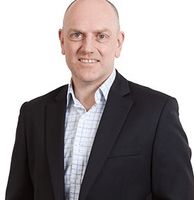
Mr Stephen Benson
Veins Doctor, Certified Sclerotherapist, Phlebologist, General Surgeon
Available at 125 Remuera Road, Remuera, Auckland
-
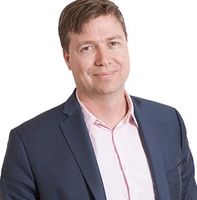
Mr Isaac Cranshaw
Skin Cancer Doctor, General Surgeon
Available at 398 Lake Road, Takapuna, 125 Remuera Road, Remuera, Auckland
-
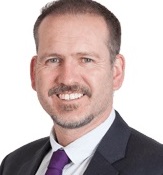
Mr Mark Izzard
Head & Neck Surgeon, Skin Cancer Doctor
Available at 398 Lake Road, Takapuna, 153 Oceanview Road, Waiheke Island, Remarkables Park Shopping Centre, 12 Hawthorne Drive, Frankton, Queenstown
-

Dr Monique Mackenzie
Dermatologist, Skin Cancer Doctor
Available at 3 St Marys Road, Ponsonby, 125 Remuera Road, Remuera, Auckland
-

Dr Tom Middelburg
Dermatologist, Skin Cancer Doctor
Available at Remarkables Park Shopping Centre, 12 Hawthorne Drive, Frankton, Queenstown
-

Dr Dilip Naik
Vascular & Endovascular Surgeon
Available at Cnr Customhouse Quay & Panama Street, Wellington
-

Mr Rajan Patel
Skin Cancer Doctor, Head & Neck Surgeon
Available at 398 Lake Road, Takapuna
-

Dr Kenneth Wong
Skin Cancer Doctor, Dermatologist
Available at 3 St Marys Road, Ponsonby, 125 Remuera Road, Remuera, Auckland, Tōtara Health, 1 McCrae Way, New Lynn, Auckland, Cnr Customhouse Quay & Panama Street, Wellington
Doctors
Note: Please note below that some people are not available at all locations.
-
Dr Ricki-Lea Aitchison
Dermatology Associate, Skin Cancer Doctor
Available at 125 Remuera Road, Remuera, Auckland, Tōtara Health, 1 McCrae Way, New Lynn, Auckland, Lower Queen St Health, 349-355 Lower Queen Street, Richmond
-
Dr Samrata Anand (Narayan)
Skin Cancer Doctor, Appearance Medicine Doctor
Available at 125 Remuera Road, Remuera, Auckland
-
Dr Duncan Bayne
Skin Cancer Doctor
Available at Cnr Customhouse Quay & Panama Street, Wellington
-
Dr Nicola Blomfield
Skin Cancer Doctor
Available at 4 Silverdale St, Silverdale
-
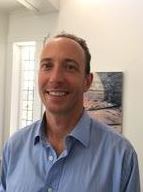
Dr Mark Craig
Skin Cancer Doctor
Available at Tōtara Health, 1 McCrae Way, New Lynn, Auckland
-

Dr Suzanne Cutmore
Dermatology Associate, Skin Cancer Doctor
Available at Cnr Customhouse Quay & Panama Street, Wellington, Lower Queen St Health, 349-355 Lower Queen Street, Richmond
-
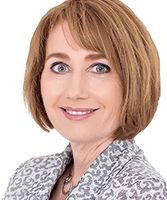
Dr Shona Dalzell
Skin Cancer Doctor, Phlebologist, Appearance Medicine Doctor
Available at Cnr Customhouse Quay & Panama Street, Wellington, Lower Queen St Health, 349-355 Lower Queen Street, Richmond
-

Dr Moushumi Das
Skin Cancer Doctor, Dermatology Associate
Available at 125 Remuera Road, Remuera, Auckland, Tōtara Health, 1 McCrae Way, New Lynn, Auckland
-
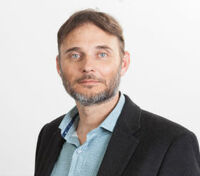
Dr Stuart Farmer
Skin Cancer Doctor
Available at 4 Silverdale St, Silverdale, NorthWest Shopping Centre, 1/46 Maki Street, Massey, Auckland
-
Dr Ben Gaunt
Skin Cancer Doctor
Available at 398 Lake Road, Takapuna
-

Dr Steven Grimson
Skin Cancer Doctor
Available at 125 Remuera Road, Remuera, Auckland
-
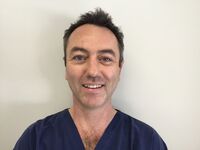
Dr Simon Harbinson
Skin Cancer Doctor
Available at Lower Queen St Health, 349-355 Lower Queen Street, Richmond
-
Dr Patrick Holla
Skin Cancer Doctor
Available at Cnr Customhouse Quay & Panama Street, Wellington
-
Dr Claire Jackson
Skin Cancer Doctor
Available at Cnr Customhouse Quay & Panama Street, Wellington
-
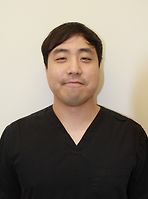
Dr David Lim
Skin Cancer Doctor
Available at 4 Silverdale St, Silverdale
-
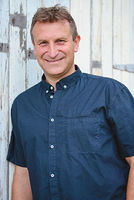
Dr Jens-Peter Link
Skin Cancer Doctor
Available at 153 Oceanview Road, Waiheke Island
-
Dr Wei Long
Skin Cancer Doctor
Available at 4 Silverdale St, Silverdale, 3 St Marys Road, Ponsonby
-

Dr Piergiovanni Marzinotto
Appearance Medicine Doctor
Available at 3 St Marys Road, Ponsonby, 125 Remuera Road, Remuera, Auckland
-
Dr Anne Mathieson
Skin Cancer Doctor
Available at 3 St Marys Road, Ponsonby
-
Dr Jared Mitchell
Skin Cancer Doctor
Available at all locations.
-
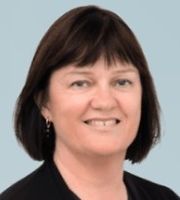
Dr Karen Parker
Veins Doctor, Phlebologist
Available at 4 Silverdale St, Silverdale, 61 Constellation Drive, Rosedale, NorthWest Shopping Centre, 1/46 Maki Street, Massey, Auckland
-
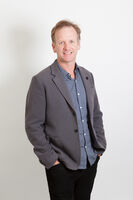
Dr Marcus Platts Mills
Skin Cancer Doctor, Dermatology Associate
Available at 4 Silverdale St, Silverdale
-
Dr Catrinel Popescu
Dermatology Associate, Skin Cancer Doctor
Not available on location.
-
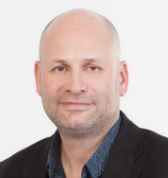
Dr Hans Raetz
Veins Doctor, Skin Cancer Doctor, Phlebologist
Available at Remarkables Park Shopping Centre, 12 Hawthorne Drive, Frankton, Queenstown, 7 York Place, Dunedin
-

Dr Megan Reilly
Veins Doctor, Skin Cancer Doctor
Available at Remarkables Park Shopping Centre, 12 Hawthorne Drive, Frankton, Queenstown
-
Dr Michael Sim
Skin Cancer Doctor
Available at Cnr Customhouse Quay & Panama Street, Wellington
-

Dr Maya Steeper
Veins Doctor
Available at 125 Remuera Road, Remuera, Auckland, NorthWest Shopping Centre, 1/46 Maki Street, Massey, Auckland
-
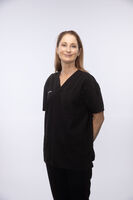
Dr Stephanie Sturm
Skin Cancer Doctor, Appearance Medicine Doctor
Available at 61 Constellation Drive, Rosedale, 3 St Marys Road, Ponsonby, Cnr Customhouse Quay & Panama Street, Wellington, Remarkables Park Shopping Centre, 12 Hawthorne Drive, Frankton, Queenstown
-
Dr James Tchernegovski
Skin Cancer Doctor
Available at 4 Silverdale St, Silverdale, 125 Remuera Road, Remuera, Auckland
-

Dr Coran Turner
Dermatology Associate, Skin Cancer Doctor
Available at 398 Lake Road, Takapuna, 125 Remuera Road, Remuera, Auckland, Remarkables Park Shopping Centre, 12 Hawthorne Drive, Frankton, Queenstown, 7 York Place, Dunedin
-
Dr Dhivyan Vishnunadan
Skin Cancer Doctor
Available at 61 Constellation Drive, Rosedale, NorthWest Shopping Centre, 1/46 Maki Street, Massey, Auckland
-
Dr Alan (Tak) Wong
Skin Cancer Doctor
Available at 3 St Marys Road, Ponsonby
How do I access this service?
Contact us
Patients can contact their local Skin Institute clinic directly by phone or through our website for enquiries, bookings, and general information about our services.
Anyone can access
Skin Institute services are open to everyone. Patients do not need to be enrolled with a specific clinic or general practice to access our services.
Casual (not enrolled) patients
We welcome casual and non-enrolled patients. You can book and attend appointments without ongoing enrolment, making access flexible and convenient.
Make an appointment
Appointments can be made by contacting the clinic or booking online. Some services may require a consultation prior to treatment to ensure suitability and appropriate care.
Referral
Referrals from general practitioners or other health professionals are accepted and may be required for certain medical or specialist services. Please check with your local clinic for referral requirements.
Walk in
Some clinics offer limited walk-in services, subject to availability. Walk-in appointments cannot be guaranteed and may involve a wait time.
Website / App
Information about Skin Institute services, locations, and online bookings is available via the Skin Institute website. Where available, digital booking tools allow patients to manage appointments easily.
Procedures / Treatments / Services Provided
New Zealand has a very high rate of skin cancer, when compared to other countries. The most common forms of skin cancer usually appear on areas of skin that have been over-exposed to the sun. Risk factors for developing skin cancer are: prolonged exposure to the sun; people with fair skin; and possibly over-exposure to UV light from sun beds. There are three main types of skin cancers: basal cell carcinoma, squamous cell carcinoma and malignant melanoma. Basal Cell Carcinoma (BCC): This is the most common type and is found on skin surfaces that are exposed to sun. A BCC remains localised and does not usually spread to other areas of the body. Sometimes BCCs can ulcerate and scab so it is important not to mistake it for a sore. BCCs occur more commonly on the face, back of hands and back. They appear usually as small, red lumps that don’t heal and sometimes bleed or become itchy. They have the tendency to change in size and sometimes in colour. Treatment: Often a BCC can be diagnosed just by its appearance. In other cases it will be removed totally and sent for examination and diagnosis, or a biopsy may be taken and just a sample sent for diagnosis. Removal of a BCC will require an appointment with a doctor or surgeon. It will be termed minor surgery and will require a local anaesthetic (numbing of the area) and possibly some stitches. A very small number of BCCs will require a general anaesthetic (you will sleep through the operation) for removal. Squamous Cell Carcinoma (SCC): This type of skin cancer also affects areas of the skin that have exposure to the sun. The most common area is the face, but an SCC can also affect other parts of the body and can spread to other parts of the body. The spreading (metastasising) can potentially be fatal if not successfully treated. A SCC usually begins as a keratosis that looks like an area of thickened scaly skin, it may then develop into a raised, hard lump which enlarges. SCCs can sometimes be painful. Often the edges are irregular and it can appear wart like, the colour can be reddish brown. Sometimes it can appear like a recurring ulcer that does not heal. All SCCs will need to be removed, because of their potential for spread. The removal and diagnosis is the same as for a BCC. Malignant Melanoma: This is the most serious form of skin cancer. It can spread to other parts of the body and people can die from this disease. A melanoma usually starts as a pigmented growth on normal skin. They often, but not always, occur on areas that have high sun exposure. In some cases, a melanoma may develop from existing pigmented moles. What to look for: an existing mole that changes colour (it may be black, dark blue or even red and white) the colour pigment may be uneven the edges of the mole/freckle may be irregular and have a spreading edge the surface of the mole/freckle may be flaky/crusted and raised sudden growth of an existing or new mole/freckle inflammation and or itchiness surrounding an existing or new mole/freckle. Treatment: It is important that any suspect moles or freckles are checked by a GP or a dermatologist. The sooner a melanoma is treated, there is less chance of it spreading. A biopsy or removal will be carried out depending on the size of the cancer. Tissue samples will be sent for examination, as this will aid in diagnosis and help determine the type of treatment required. If the melanoma has spread more surgery may be required to take more of the affected skin. Samples from lymph nodes that are near to the cancer may be tested for spread, then chemotherapy or radiotherapy may be required to treat this spread. Once a melanoma has been diagnosed, a patient may be referred to an oncologist (a doctor who specialises in cancer). A melanoma that is in the early stages can be treated more successfully and cure rates are much higher than one that has spread.
New Zealand has a very high rate of skin cancer, when compared to other countries. The most common forms of skin cancer usually appear on areas of skin that have been over-exposed to the sun. Risk factors for developing skin cancer are: prolonged exposure to the sun; people with fair skin; and possibly over-exposure to UV light from sun beds. There are three main types of skin cancers: basal cell carcinoma, squamous cell carcinoma and malignant melanoma. Basal Cell Carcinoma (BCC): This is the most common type and is found on skin surfaces that are exposed to sun. A BCC remains localised and does not usually spread to other areas of the body. Sometimes BCCs can ulcerate and scab so it is important not to mistake it for a sore. BCCs occur more commonly on the face, back of hands and back. They appear usually as small, red lumps that don’t heal and sometimes bleed or become itchy. They have the tendency to change in size and sometimes in colour. Treatment: Often a BCC can be diagnosed just by its appearance. In other cases it will be removed totally and sent for examination and diagnosis, or a biopsy may be taken and just a sample sent for diagnosis. Removal of a BCC will require an appointment with a doctor or surgeon. It will be termed minor surgery and will require a local anaesthetic (numbing of the area) and possibly some stitches. A very small number of BCCs will require a general anaesthetic (you will sleep through the operation) for removal. Squamous Cell Carcinoma (SCC): This type of skin cancer also affects areas of the skin that have exposure to the sun. The most common area is the face, but an SCC can also affect other parts of the body and can spread to other parts of the body. The spreading (metastasising) can potentially be fatal if not successfully treated. A SCC usually begins as a keratosis that looks like an area of thickened scaly skin, it may then develop into a raised, hard lump which enlarges. SCCs can sometimes be painful. Often the edges are irregular and it can appear wart like, the colour can be reddish brown. Sometimes it can appear like a recurring ulcer that does not heal. All SCCs will need to be removed, because of their potential for spread. The removal and diagnosis is the same as for a BCC. Malignant Melanoma: This is the most serious form of skin cancer. It can spread to other parts of the body and people can die from this disease. A melanoma usually starts as a pigmented growth on normal skin. They often, but not always, occur on areas that have high sun exposure. In some cases, a melanoma may develop from existing pigmented moles. What to look for: an existing mole that changes colour (it may be black, dark blue or even red and white) the colour pigment may be uneven the edges of the mole/freckle may be irregular and have a spreading edge the surface of the mole/freckle may be flaky/crusted and raised sudden growth of an existing or new mole/freckle inflammation and or itchiness surrounding an existing or new mole/freckle. Treatment: It is important that any suspect moles or freckles are checked by a GP or a dermatologist. The sooner a melanoma is treated, there is less chance of it spreading. A biopsy or removal will be carried out depending on the size of the cancer. Tissue samples will be sent for examination, as this will aid in diagnosis and help determine the type of treatment required. If the melanoma has spread more surgery may be required to take more of the affected skin. Samples from lymph nodes that are near to the cancer may be tested for spread, then chemotherapy or radiotherapy may be required to treat this spread. Once a melanoma has been diagnosed, a patient may be referred to an oncologist (a doctor who specialises in cancer). A melanoma that is in the early stages can be treated more successfully and cure rates are much higher than one that has spread.
Service types: Skin checks, Skin lesions | Skin lesion excision, Skin cancer service, Skin cancer, Mohs surgery.
New Zealand has a very high rate of skin cancer, when compared to other countries. The most common forms of skin cancer usually appear on areas of skin that have been over-exposed to the sun.
Risk factors for developing skin cancer are: prolonged exposure to the sun; people with fair skin; and possibly over-exposure to UV light from sun beds.
There are three main types of skin cancers: basal cell carcinoma, squamous cell carcinoma and malignant melanoma.
Basal Cell Carcinoma (BCC):
This is the most common type and is found on skin surfaces that are exposed to sun. A BCC remains localised and does not usually spread to other areas of the body. Sometimes BCCs can ulcerate and scab so it is important not to mistake it for a sore.
BCCs occur more commonly on the face, back of hands and back. They appear usually as small, red lumps that don’t heal and sometimes bleed or become itchy. They have the tendency to change in size and sometimes in colour.
Treatment:
Often a BCC can be diagnosed just by its appearance. In other cases it will be removed totally and sent for examination and diagnosis, or a biopsy may be taken and just a sample sent for diagnosis.
Removal of a BCC will require an appointment with a doctor or surgeon. It will be termed minor surgery and will require a local anaesthetic (numbing of the area) and possibly some stitches. A very small number of BCCs will require a general anaesthetic (you will sleep through the operation) for removal.
Squamous Cell Carcinoma (SCC):
This type of skin cancer also affects areas of the skin that have exposure to the sun. The most common area is the face, but an SCC can also affect other parts of the body and can spread to other parts of the body. The spreading (metastasising) can potentially be fatal if not successfully treated.
A SCC usually begins as a keratosis that looks like an area of thickened scaly skin, it may then develop into a raised, hard lump which enlarges. SCCs can sometimes be painful. Often the edges are irregular and it can appear wart like, the colour can be reddish brown. Sometimes it can appear like a recurring ulcer that does not heal.
All SCCs will need to be removed, because of their potential for spread. The removal and diagnosis is the same as for a BCC.
Malignant Melanoma:
This is the most serious form of skin cancer. It can spread to other parts of the body and people can die from this disease.
A melanoma usually starts as a pigmented growth on normal skin. They often, but not always, occur on areas that have high sun exposure. In some cases, a melanoma may develop from existing pigmented moles.
What to look for:
- an existing mole that changes colour (it may be black, dark blue or even red and white)
- the colour pigment may be uneven
- the edges of the mole/freckle may be irregular and have a spreading edge
- the surface of the mole/freckle may be flaky/crusted and raised
- sudden growth of an existing or new mole/freckle
- inflammation and or itchiness surrounding an existing or new mole/freckle.
Treatment:
It is important that any suspect moles or freckles are checked by a GP or a dermatologist. The sooner a melanoma is treated, there is less chance of it spreading.
A biopsy or removal will be carried out depending on the size of the cancer. Tissue samples will be sent for examination, as this will aid in diagnosis and help determine the type of treatment required. If the melanoma has spread more surgery may be required to take more of the affected skin. Samples from lymph nodes that are near to the cancer may be tested for spread, then chemotherapy or radiotherapy may be required to treat this spread.
Once a melanoma has been diagnosed, a patient may be referred to an oncologist (a doctor who specialises in cancer).
A melanoma that is in the early stages can be treated more successfully and cure rates are much higher than one that has spread.
Varicose veins affect around 30% of adults and can lead to swelling, discomfort and visible veins that impact both your day-to-day comfort and your confidence. At Skin Institute, you have access to clear diagnosis, effective treatment and long-term support from a dedicated team of vein specialists and vascular clinicians, professionals with decades of experience helping people feel comfortable in their legs again.
Varicose veins affect around 30% of adults and can lead to swelling, discomfort and visible veins that impact both your day-to-day comfort and your confidence. At Skin Institute, you have access to clear diagnosis, effective treatment and long-term support from a dedicated team of vein specialists and vascular clinicians, professionals with decades of experience helping people feel comfortable in their legs again.
Varicose veins affect around 30% of adults and can lead to swelling, discomfort and visible veins that impact both your day-to-day comfort and your confidence.
At Skin Institute, you have access to clear diagnosis, effective treatment and long-term support from a dedicated team of vein specialists and vascular clinicians, professionals with decades of experience helping people feel comfortable in their legs again.
Skin Institute has a wide variety of appearance medicine treatments including cosmetic injectables & dermal fillers, IPL, skin needling, and more. As everyone has different skin and different concerns, a carefully tailored treatment plan will be recommended to address individual concerns.
Skin Institute has a wide variety of appearance medicine treatments including cosmetic injectables & dermal fillers, IPL, skin needling, and more. As everyone has different skin and different concerns, a carefully tailored treatment plan will be recommended to address individual concerns.
- Laser treatments
- Cosmetic injectables
- Chemical peels
- Skin treatments
Skin Institute has a wide variety of appearance medicine treatments including cosmetic injectables & dermal fillers, IPL, skin needling, and more. As everyone has different skin and different concerns, a carefully tailored treatment plan will be recommended to address individual concerns.
Online Booking URL
Website

Contact Details
153 Oceanview Road, Waiheke Island
Central Auckland
-
Phone
(09) 372 2011
Healthlink EDI
skininst
Website
FREEPHONE 0800 SKIN DR
Making an appointment: click here for contact details and hours
153 Oceanview Road
Oneroa
Auckland
Auckland 1081
Street Address
153 Oceanview Road
Oneroa
Auckland
Auckland 1081
Postal Address
Skin Institute Takapuna
PO Box 33 1208
Takapuna
Auckland 0740
398 Lake Road, Takapuna
North Auckland
-
Phone
(09) 486 7111
Healthlink EDI
skininst
Website
4 Silverdale St, Silverdale
North Auckland
-
Phone
(09) 426 0400
Healthlink EDI
skininst
Website
61 Constellation Drive, Rosedale
North Auckland
-
Phone
(09) 280 7411
Healthlink EDI
skininst
Website
3 St Marys Road, Ponsonby
Central Auckland
-
Phone
(09) 376 8888
Healthlink EDI
skininst
Website
Tōtara Health, 1 McCrae Way, New Lynn, Auckland
West Auckland
-
Phone
(09) 974 1734
Healthlink EDI
skininst
Website
NorthWest Shopping Centre, 1/46 Maki Street, Massey, Auckland
West Auckland
-
Phone
(09) 971 1460
Healthlink EDI
skininst
Website
Cnr Customhouse Quay & Panama Street, Wellington
Wellington
-
Phone
(04) 499 8001
Healthlink EDI
skininst
Website
Lower Queen St Health, 349-355 Lower Queen Street, Richmond
Nelson Marlborough
-
Phone
(03) 539 0175
Healthlink EDI
skininst
Website
Remarkables Park Shopping Centre, 12 Hawthorne Drive, Frankton, Queenstown
Central Lakes
-
Phone
(03) 442 2255
Healthlink EDI
skininst
Website
7 York Place, Dunedin
Dunedin - South Otago
-
Phone
(03) 477 7151
Healthlink EDI
skininst
Website
Was this page helpful?
This page was last updated at 10:19AM on March 10, 2026. This information is reviewed and edited by Skin Institute.