
Central Auckland, East Auckland, North Auckland, South Auckland, West Auckland > Private Hospitals & Specialists >
Greenlane Medical Specialists - Endoscopy
Private Service, Endoscopy (Gastroenterology), Respiratory, Gastroenterology, Urology
Today
Description
Greenlane Medical Specialists is a multidisciplinary and multilingual medical centre dedicated to excellence in specialist care.
Our Endoscopy Centre delivers world-class Gastrointestinal and Respiratory Endoscopy services, led by an experienced team of Gastroenterologists and Respiratory Physicians committed to the highest standards of patient care ensuring comfort, accuracy, and exceptional outcomes.
Services provided include:
- Gastroscopy
- Colonoscopy
- Flexible sigmoidoscopy
- Endoscopic ultrasound (EUS)
- Bronchoscopy
- Endobronchial ultrasound (EBUS)
- Cystoscopy
Consultants
-
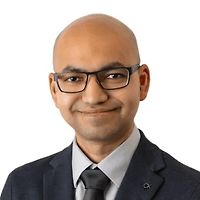
Dr Aung Naing Htoo
Gastroenterologist and Endoscopist
-
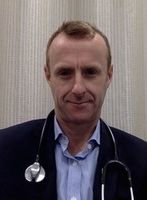
Dr Alex Chapman
Bronchoscopist
-

Mr Vincent Chong
Urologist
-
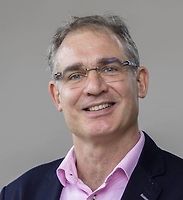
Dr Paul Dawkins
Bronchoscopist
-

Associate Professor Jeff Garrett
Bronchoscopist
-
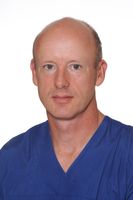
Dr Stephen Gerred
Gastroenterologist and Endoscopist
-

Dr Judy Huang
Gastroenterologist, Hepatologist and Endoscopist
-

Dr Stuart Jones
Bronchoscopist
-

Associate Professor Edmund Leung
General Surgeon and Endoscopist
-

Dr Robert Lewis
Bronchoscopist
-
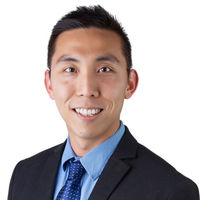
Dr Ming Han Lim
Gastroenterologist, Hepatologist and Endoscopist
-

Dr Tien Huey Lim
Gastroenterologist, Hepatologist and Endoscopist
-
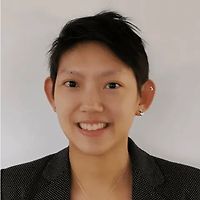
Dr Sum Team Lo
Gastroenterologist and Endoscopist
-
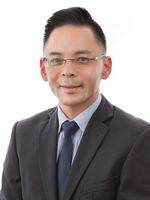
Dr Derek Luo
Gastroenterologist, Hepatologist and Endoscopist
-

Dr Mark O'Carroll
Bronchoscopist
-

Dr Conor O'Dochartaigh
Bronchoscopist
-
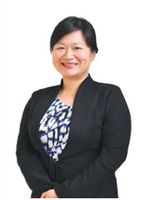
Ms Sze-Lin Peng
Colorectal Surgeon and Endoscopist
-
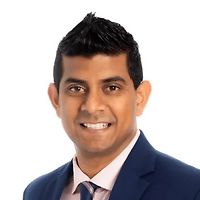
Dr Sriharan Selvaratnam
Gastroenterologist and Endoscopist
-
Dr Cameron Sullivan
Bronchoscopist
-
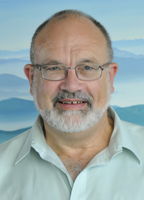
Dr Andrew G Veale
Bronchoscopist
-

Dr Henry Wei
Gastroenterologist and Endoscopist
-
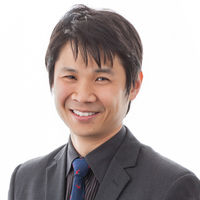
Dr Donny Wong
Respiratory Physician and Bronchoscopist
Ages
Adult / Pakeke, Older adult / Kaumātua
How do I access this service?
Referral
Fees and Charges Categorisation
Fees apply
Fees and Charges Description
Greenlane Medical Specialists is Southern Cross Affiliated and NIB first choice network provider.
Hours
| Mon – Fri | 8:00 AM – 5:30 PM |
|---|
Monday to Friday Consultations and Procedures (Gastroscopy, Colonoscopy, Bronchoscopy, Cystoscopy)
Thursday 1:30PM - 5PM Fibroscan
If you need appointments outside these hours please call us to discuss.
Languages Spoken
English, Mandarin Chinese, Cantonese Chinese, Korean, Filipino
Services Provided
Colonoscopy is the examination of your colon (large bowel) using a colonoscope (long, flexible tube with a camera on the end). The colonoscope is passed into your rectum (bottom) and then moved slowly along the entire colon, while images from the camera are displayed on a television monitor. The procedure takes from 10 minutes to an hour. Sometimes a small tissue sample (biopsy) will need to be taken during the procedure for later examination at a laboratory. A colonoscopy may help diagnose conditions such as polyps (small growths of tissue projecting into the bowel), tumours, ulcerative colitis (inflammation of the colon) and diverticulitis (inflammation of sacs that form on the walls of the colon). Colonoscopy may also be used to remove polyps in the colon. Risks of a colonoscopy are rare but include: bleeding if a biopsy is performed; allergic reaction to the sedative; perforation (tearing) of the bowel wall. What to expect It is important that the bowel is completely empty before the procedure takes place. This means that you will only be able to have liquids on the day before, and will probably have to take some oral laxative medication (to make you go to the toilet more). When you are ready for the procedure, you will be given medication (a sedative) to make you go into a light sleep. This will be given by an injection into a vein in your arm or hand. The colonoscopy will usually take 15 – 30 minutes, but you will probably sleep for another 30 minutes. Because you have been sedated (given medication to make you sleep) it is important that you arrange for someone else to drive you home. Some patients may experience discomfort after the procedure, due to air remaining in the colon.
Colonoscopy is the examination of your colon (large bowel) using a colonoscope (long, flexible tube with a camera on the end). The colonoscope is passed into your rectum (bottom) and then moved slowly along the entire colon, while images from the camera are displayed on a television monitor. The procedure takes from 10 minutes to an hour. Sometimes a small tissue sample (biopsy) will need to be taken during the procedure for later examination at a laboratory. A colonoscopy may help diagnose conditions such as polyps (small growths of tissue projecting into the bowel), tumours, ulcerative colitis (inflammation of the colon) and diverticulitis (inflammation of sacs that form on the walls of the colon). Colonoscopy may also be used to remove polyps in the colon. Risks of a colonoscopy are rare but include: bleeding if a biopsy is performed; allergic reaction to the sedative; perforation (tearing) of the bowel wall. What to expect It is important that the bowel is completely empty before the procedure takes place. This means that you will only be able to have liquids on the day before, and will probably have to take some oral laxative medication (to make you go to the toilet more). When you are ready for the procedure, you will be given medication (a sedative) to make you go into a light sleep. This will be given by an injection into a vein in your arm or hand. The colonoscopy will usually take 15 – 30 minutes, but you will probably sleep for another 30 minutes. Because you have been sedated (given medication to make you sleep) it is important that you arrange for someone else to drive you home. Some patients may experience discomfort after the procedure, due to air remaining in the colon.
Colonoscopy is the examination of your colon (large bowel) using a colonoscope (long, flexible tube with a camera on the end). The colonoscope is passed into your rectum (bottom) and then moved slowly along the entire colon, while images from the camera are displayed on a television monitor.
The procedure takes from 10 minutes to an hour. Sometimes a small tissue sample (biopsy) will need to be taken during the procedure for later examination at a laboratory.
A colonoscopy may help diagnose conditions such as polyps (small growths of tissue projecting into the bowel), tumours, ulcerative colitis (inflammation of the colon) and diverticulitis (inflammation of sacs that form on the walls of the colon).
Colonoscopy may also be used to remove polyps in the colon.
Risks of a colonoscopy are rare but include: bleeding if a biopsy is performed; allergic reaction to the sedative; perforation (tearing) of the bowel wall.
What to expect
It is important that the bowel is completely empty before the procedure takes place. This means that you will only be able to have liquids on the day before, and will probably have to take some oral laxative medication (to make you go to the toilet more).
When you are ready for the procedure, you will be given medication (a sedative) to make you go into a light sleep. This will be given by an injection into a vein in your arm or hand.
The colonoscopy will usually take 15 – 30 minutes, but you will probably sleep for another 30 minutes. Because you have been sedated (given medication to make you sleep) it is important that you arrange for someone else to drive you home.
Some patients may experience discomfort after the procedure, due to air remaining in the colon.
In this procedure a thin, flexible tube with a camera and an ultrasound device at its tip is inserted through the mouth (or sometimes bottom). The tube is passed through the digestive tract and allows doctors to examine the lining of the tract as well as nearby organs, often to diagnose or stage cancers, evaluate abnormalities, or guide biopsies.
In this procedure a thin, flexible tube with a camera and an ultrasound device at its tip is inserted through the mouth (or sometimes bottom). The tube is passed through the digestive tract and allows doctors to examine the lining of the tract as well as nearby organs, often to diagnose or stage cancers, evaluate abnormalities, or guide biopsies.
In this procedure a thin, flexible tube with a camera and an ultrasound device at its tip is inserted through the mouth (or sometimes bottom). The tube is passed through the digestive tract and allows doctors to examine the lining of the tract as well as nearby organs, often to diagnose or stage cancers, evaluate abnormalities, or guide biopsies.
Gastroscopy allows examination of the upper part of your digestive tract i.e. oesophagus (food pipe), stomach and duodenum (top section of the small intestine), by passing a gastroscope (long, flexible tube with a camera on the end) through your mouth and down your digestive tract. Images from the camera are displayed on a television monitor. Sometimes a small tissue sample (biopsy) will need to be taken during the procedure for later examination at a laboratory. Gastroscopy may be used to diagnose peptic ulcers, tumours, gastritis etc. Complications from this procedure are very rare but can occur. They include: bleeding if a biopsy is performed; allergic reaction to the sedative or throat spray; perforation (tearing) of the stomach with the instrument (this is a serious but extremely rare complication). What to expect All endoscopic procedures are viewed as a surgical procedure and generally the same preparation will apply. You will not be able to eat or drink anything for 6 hours before your gastroscopy. When you are ready for the procedure, the back of your throat will be sprayed with anaesthetic. You will also be offered medication (a sedative) to make you go into a light sleep. This will be given by an injection into a vein in your arm or hand. The gastroscopy will take approximately 15 minutes, but you will probably sleep for another 30 minutes. You will spend some time in a recovery unit (probably 1-2 hours) to sleep off the sedative and to allow staff to monitor you (take blood pressure readings etc). Because you have been sedated (given medication to make you sleep) it is important that you arrange for someone else to drive you home. If biopsies are taken for examination, your GP will be sent the results within 2-3 weeks.
Gastroscopy allows examination of the upper part of your digestive tract i.e. oesophagus (food pipe), stomach and duodenum (top section of the small intestine), by passing a gastroscope (long, flexible tube with a camera on the end) through your mouth and down your digestive tract. Images from the camera are displayed on a television monitor. Sometimes a small tissue sample (biopsy) will need to be taken during the procedure for later examination at a laboratory. Gastroscopy may be used to diagnose peptic ulcers, tumours, gastritis etc. Complications from this procedure are very rare but can occur. They include: bleeding if a biopsy is performed; allergic reaction to the sedative or throat spray; perforation (tearing) of the stomach with the instrument (this is a serious but extremely rare complication). What to expect All endoscopic procedures are viewed as a surgical procedure and generally the same preparation will apply. You will not be able to eat or drink anything for 6 hours before your gastroscopy. When you are ready for the procedure, the back of your throat will be sprayed with anaesthetic. You will also be offered medication (a sedative) to make you go into a light sleep. This will be given by an injection into a vein in your arm or hand. The gastroscopy will take approximately 15 minutes, but you will probably sleep for another 30 minutes. You will spend some time in a recovery unit (probably 1-2 hours) to sleep off the sedative and to allow staff to monitor you (take blood pressure readings etc). Because you have been sedated (given medication to make you sleep) it is important that you arrange for someone else to drive you home. If biopsies are taken for examination, your GP will be sent the results within 2-3 weeks.
Gastroscopy allows examination of the upper part of your digestive tract i.e. oesophagus (food pipe), stomach and duodenum (top section of the small intestine), by passing a gastroscope (long, flexible tube with a camera on the end) through your mouth and down your digestive tract. Images from the camera are displayed on a television monitor. Sometimes a small tissue sample (biopsy) will need to be taken during the procedure for later examination at a laboratory.
Gastroscopy may be used to diagnose peptic ulcers, tumours, gastritis etc.
Complications from this procedure are very rare but can occur. They include: bleeding if a biopsy is performed; allergic reaction to the sedative or throat spray; perforation (tearing) of the stomach with the instrument (this is a serious but extremely rare complication).
What to expect
All endoscopic procedures are viewed as a surgical procedure and generally the same preparation will apply. You will not be able to eat or drink anything for 6 hours before your gastroscopy. When you are ready for the procedure, the back of your throat will be sprayed with anaesthetic. You will also be offered medication (a sedative) to make you go into a light sleep. This will be given by an injection into a vein in your arm or hand.
The gastroscopy will take approximately 15 minutes, but you will probably sleep for another 30 minutes. You will spend some time in a recovery unit (probably 1-2 hours) to sleep off the sedative and to allow staff to monitor you (take blood pressure readings etc). Because you have been sedated (given medication to make you sleep) it is important that you arrange for someone else to drive you home.
If biopsies are taken for examination, your GP will be sent the results within 2-3 weeks.
A tiny camera attached to a long tube is inserted through your nose or mouth and passed down through the airways into your lungs. This allows the surgeon to make a diagnosis either by seeing directly what is causing the problem or by taking a small tissue (biopsy) or lung secretion sample.
A tiny camera attached to a long tube is inserted through your nose or mouth and passed down through the airways into your lungs. This allows the surgeon to make a diagnosis either by seeing directly what is causing the problem or by taking a small tissue (biopsy) or lung secretion sample.
A tiny camera attached to a long tube is inserted through your nose or mouth and passed down through the airways into your lungs. This allows the surgeon to make a diagnosis either by seeing directly what is causing the problem or by taking a small tissue (biopsy) or lung secretion sample.
A long, thin tube with a tiny camera attached (cystoscope) is inserted into the urinary opening and through the urethra (the tube that carries urine from your bladder to the outside of your body) to your bladder. This allows the urologist to view any abnormalities in your lower urinary tract and, if necessary, take a small tissue sample to look at under the microscope (biopsy).
A long, thin tube with a tiny camera attached (cystoscope) is inserted into the urinary opening and through the urethra (the tube that carries urine from your bladder to the outside of your body) to your bladder. This allows the urologist to view any abnormalities in your lower urinary tract and, if necessary, take a small tissue sample to look at under the microscope (biopsy).
A long, thin tube with a tiny camera attached (cystoscope) is inserted into the urinary opening and through the urethra (the tube that carries urine from your bladder to the outside of your body) to your bladder. This allows the urologist to view any abnormalities in your lower urinary tract and, if necessary, take a small tissue sample to look at under the microscope (biopsy).
Disability Assistance
Mobility parking space
Additional Details
Face to face / Kanohi ki te Kanohi, Online / virtual / app, Phone
Refreshments
We provide refreshments after your Gastroscopy, Colonoscopy and Bronchoscopy.
Public Transport
The Auckland Transport website is a good resource to plan your public transport options.
2 minute walk from the Greenlane Train Station.
Close to buses from Great South Road.
Parking
Drop off area in front of the clinic. Parking at ATR, Gate 2 (charges apply).
Pharmacy
Ascot Pharmacy is a few minutes walk from us.
Other
We have free Wifi on site so you can keep up to date with your emails and your friends on social media.

Contact Details
Ascot Office Park, 93-95 Ascot Avenue, Greenlane, Auckland
Central Auckland
-
Phone
(09) 930 6108
-
Fax
(09) 930 6109
Healthlink EDI
glmscdoc
Website
Building A, Ground Floor, Ascot Office Park, 93 Ascot Avenue
Greenlane
Auckland
Auckland 1051
Street Address
Building A, Ground Floor, Ascot Office Park, 93 Ascot Avenue
Greenlane
Auckland
Auckland 1051
Postal Address
Ground floor, Building A
93 Ascot Avenue
Greenlane East
Auckland 1051
Was this page helpful?
This page was last updated at 9:36AM on November 10, 2025. This information is reviewed and edited by Greenlane Medical Specialists - Endoscopy.