
Central Auckland, East Auckland, South Auckland, West Auckland, North Auckland > Private Hospitals & Specialists > Allevia Health >
Allevia Head and Neck
Private Service, ENT/ Head & Neck Surgery
Description
Comprehensive, multidisciplinary care for patients with head and neck disorders
Working alongside General Practitioners (GPs), Allevia Head & Neck is the only private hospital in New Zealand to provide a comprehensive, streamlined and multidisciplinary service from diagnosis through to rehabilitation and recovery for patients with conditions of the head and neck. Our one-stop diagnosis clinics (neck lump and salivary gland) provide fast access to treatment from early diagnosis, through to treatment and recovery – removing the need for multiple appointments. We understand the importance of clear communication and high-quality care of injured patients, and our head and neck team is committed to providing comprehensive and prompt support.
Our Services
Neck Lump Clinic
Our multidisciplinary team is highly specialised in assessing, diagnosing, and managing neck lumps.
More information here
Head and Neck
Oral and Maxillofacial
Consultants
-

Dr Muammar Abu-Serriah
Oral & Maxillofacial Surgeon
-

Mr Rajan Patel
Otolaryngologist, Head & Neck Surgeon
-
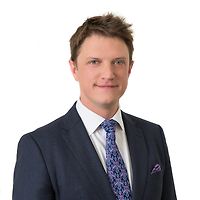
Mr Kevin Smith
Otolaryngologist, Head & Neck Surgeon
Dental Team
-

Dr Kim Gear
Oral Medicine Specialist
Common Conditions
Head and neck cancers may be primary (they start in the head or neck) or secondary (they have spread from a primary tumour in another part of the body). They mainly involve the skin, thyroid gland, mouth, pharynx, larynx, nasal cavity/sinuses or neck. Treatment can include surgery, radiation therapy, chemotherapy, or a combination of these, depending on where the cancer is, how big it is, and if it has spread. Surgery for head and neck cancers can be quite extensive, including removal of lymph nodes in the neck, and require major reconstruction.
Head and neck cancers may be primary (they start in the head or neck) or secondary (they have spread from a primary tumour in another part of the body). They mainly involve the skin, thyroid gland, mouth, pharynx, larynx, nasal cavity/sinuses or neck. Treatment can include surgery, radiation therapy, chemotherapy, or a combination of these, depending on where the cancer is, how big it is, and if it has spread. Surgery for head and neck cancers can be quite extensive, including removal of lymph nodes in the neck, and require major reconstruction.
Head and neck cancers may be primary (they start in the head or neck) or secondary (they have spread from a primary tumour in another part of the body). They mainly involve the skin, thyroid gland, mouth, pharynx, larynx, nasal cavity/sinuses or neck.
Treatment can include surgery, radiation therapy, chemotherapy, or a combination of these, depending on where the cancer is, how big it is, and if it has spread. Surgery for head and neck cancers can be quite extensive, including removal of lymph nodes in the neck, and require major reconstruction.
Masses on the head and neck can be benign (noncancerous) or cancerous and can form in the larynx, pharynx, thyroid gland, salivary gland, mouth, neck, face, skull or any other structure in the head and neck region. Noncancerous masses such as cysts are often removed surgically to prevent them from pressing on nerves and other structures in the head and neck. Cancerous masses may be primary (arise in the head or neck) or secondary (they have spread from a primary tumour in another part of the body) and may be treated by a combination of radiotherapy, chemotherapy and surgery. Surgery can be quite extensive, including removal of lymph nodes in the neck, and require major reconstruction.
Masses on the head and neck can be benign (noncancerous) or cancerous and can form in the larynx, pharynx, thyroid gland, salivary gland, mouth, neck, face, skull or any other structure in the head and neck region. Noncancerous masses such as cysts are often removed surgically to prevent them from pressing on nerves and other structures in the head and neck. Cancerous masses may be primary (arise in the head or neck) or secondary (they have spread from a primary tumour in another part of the body) and may be treated by a combination of radiotherapy, chemotherapy and surgery. Surgery can be quite extensive, including removal of lymph nodes in the neck, and require major reconstruction.
Masses on the head and neck can be benign (noncancerous) or cancerous and can form in the larynx, pharynx, thyroid gland, salivary gland, mouth, neck, face, skull or any other structure in the head and neck region.
Noncancerous masses such as cysts are often removed surgically to prevent them from pressing on nerves and other structures in the head and neck.
Cancerous masses may be primary (arise in the head or neck) or secondary (they have spread from a primary tumour in another part of the body) and may be treated by a combination of radiotherapy, chemotherapy and surgery.
Surgery can be quite extensive, including removal of lymph nodes in the neck, and require major reconstruction.
Growths, lumps, tumours or masses on the head and neck can be benign (non-cancerous) or cancerous and can form in the larynx, pharynx, thyroid gland, salivary gland, mouth, neck, face or skull. Tests to diagnose a mass may include: Neurological examination – assesses eye movements, balance, hearing, sensation, coordination etc MRI – magnetic resonance imaging uses magnetic fields and radio waves to give images of internal organs and body structures CT Scan – computer tomography combines x-rays with computer technology to give cross-sectional images of the body Biopsy – a sample of tissue is taken for examination under a microscope. Enlarged Lymph Nodes Lymph nodes in the neck often become swollen when the body is fighting an infection. Benign Lesions Non-cancerous masses such as cysts are often removed surgically to prevent them from pressing on nerves and other structures in the head and neck. Cancer Cancerous masses spread to surrounding tissues and may be: Primary – they arise in the head or neck. Mostly caused by tobacco or alcohol use Secondary – they have spread from a primary tumour in another part of the body. Cancers may be treated by a combination of radiotherapy, chemotherapy and surgery.
Growths, lumps, tumours or masses on the head and neck can be benign (non-cancerous) or cancerous and can form in the larynx, pharynx, thyroid gland, salivary gland, mouth, neck, face or skull. Tests to diagnose a mass may include: Neurological examination – assesses eye movements, balance, hearing, sensation, coordination etc MRI – magnetic resonance imaging uses magnetic fields and radio waves to give images of internal organs and body structures CT Scan – computer tomography combines x-rays with computer technology to give cross-sectional images of the body Biopsy – a sample of tissue is taken for examination under a microscope. Enlarged Lymph Nodes Lymph nodes in the neck often become swollen when the body is fighting an infection. Benign Lesions Non-cancerous masses such as cysts are often removed surgically to prevent them from pressing on nerves and other structures in the head and neck. Cancer Cancerous masses spread to surrounding tissues and may be: Primary – they arise in the head or neck. Mostly caused by tobacco or alcohol use Secondary – they have spread from a primary tumour in another part of the body. Cancers may be treated by a combination of radiotherapy, chemotherapy and surgery.
Growths, lumps, tumours or masses on the head and neck can be benign (non-cancerous) or cancerous and can form in the larynx, pharynx, thyroid gland, salivary gland, mouth, neck, face or skull.
Tests to diagnose a mass may include:
- Neurological examination – assesses eye movements, balance, hearing, sensation, coordination etc
- MRI – magnetic resonance imaging uses magnetic fields and radio waves to give images of internal organs and body structures
- CT Scan – computer tomography combines x-rays with computer technology to give cross-sectional images of the body
- Biopsy – a sample of tissue is taken for examination under a microscope.
Enlarged Lymph Nodes
Lymph nodes in the neck often become swollen when the body is fighting an infection.
Benign Lesions
Non-cancerous masses such as cysts are often removed surgically to prevent them from pressing on nerves and other structures in the head and neck.
Cancer
Cancerous masses spread to surrounding tissues and may be:
- Primary – they arise in the head or neck. Mostly caused by tobacco or alcohol use
- Secondary – they have spread from a primary tumour in another part of the body.
Cancers may be treated by a combination of radiotherapy, chemotherapy and surgery.
A surgical procedure involving the removal of lymph nodes (bean-shaped glands that filter harmful agents picked up by the lymphatic system) from the neck to control the spread of cancer. It is most commonly done to treat head and neck cancers that have spread, or have the potential to spread, to the lymph nodes. There are different types of neck dissection, depending on how much tissue is removed – ranging from selective (only certain lymph nodes) to more extensive procedures.
A surgical procedure involving the removal of lymph nodes (bean-shaped glands that filter harmful agents picked up by the lymphatic system) from the neck to control the spread of cancer. It is most commonly done to treat head and neck cancers that have spread, or have the potential to spread, to the lymph nodes. There are different types of neck dissection, depending on how much tissue is removed – ranging from selective (only certain lymph nodes) to more extensive procedures.
A surgical procedure involving the removal of lymph nodes (bean-shaped glands that filter harmful agents picked up by the lymphatic system) from the neck to control the spread of cancer. It is most commonly done to treat head and neck cancers that have spread, or have the potential to spread, to the lymph nodes.
There are different types of neck dissection, depending on how much tissue is removed – ranging from selective (only certain lymph nodes) to more extensive procedures.
The thyroid is a gland that sits in the front, and towards the bottom of, your neck. It is responsible for producing a hormone called thyroxin that affects many organs including the heart, muscles and bones. Thyroidectomy is a surgical procedure to remove all or part of the thyroid gland for reasons such as thyroid cancer, goitre (enlarged thyroid), thyroid nodules or overactive thyroid (hyperthyroidism) that doesn't respond to other treatments. A thyroidectomy may be total (removal of the entire thyroid gland) or partial or lobectomy (removal of part of the gland).
The thyroid is a gland that sits in the front, and towards the bottom of, your neck. It is responsible for producing a hormone called thyroxin that affects many organs including the heart, muscles and bones. Thyroidectomy is a surgical procedure to remove all or part of the thyroid gland for reasons such as thyroid cancer, goitre (enlarged thyroid), thyroid nodules or overactive thyroid (hyperthyroidism) that doesn't respond to other treatments. A thyroidectomy may be total (removal of the entire thyroid gland) or partial or lobectomy (removal of part of the gland).
The thyroid is a gland that sits in the front, and towards the bottom of, your neck. It is responsible for producing a hormone called thyroxin that affects many organs including the heart, muscles and bones.
Thyroidectomy is a surgical procedure to remove all or part of the thyroid gland for reasons such as thyroid cancer, goitre (enlarged thyroid), thyroid nodules or overactive thyroid (hyperthyroidism) that doesn't respond to other treatments.
A thyroidectomy may be total (removal of the entire thyroid gland) or partial or lobectomy (removal of part of the gland).
The parathyroid glands are four small glands located in the neck which produce parathyroid hormone, a hormone involved in the regulation of calcium and phosphate levels. Overactivity of one or more of the glands (hyperparathyroidism) results in excessive parathyroid hormone production. Parathyroidectomy is a surgical procedure to remove one or more of the parathyroid glands through an incision (cut) in the front of and at the base of the neck.
The parathyroid glands are four small glands located in the neck which produce parathyroid hormone, a hormone involved in the regulation of calcium and phosphate levels. Overactivity of one or more of the glands (hyperparathyroidism) results in excessive parathyroid hormone production. Parathyroidectomy is a surgical procedure to remove one or more of the parathyroid glands through an incision (cut) in the front of and at the base of the neck.
The parathyroid glands are four small glands located in the neck which produce parathyroid hormone, a hormone involved in the regulation of calcium and phosphate levels. Overactivity of one or more of the glands (hyperparathyroidism) results in excessive parathyroid hormone production.
Parathyroidectomy is a surgical procedure to remove one or more of the parathyroid glands through an incision (cut) in the front of and at the base of the neck.
This is a surgical procedure to remove part or all of the parotid gland, which is the largest of the salivary glands and is located in front of and just below the ear. This surgery is most commonly done to remove tumours, which can be benign (non-cancerous) or malignant (cancerous). It may also be performed for chronic infections or other gland problems. Special care is taken during the surgery to protect the facial nerve, which runs through the parotid gland and controls movement of the face.
This is a surgical procedure to remove part or all of the parotid gland, which is the largest of the salivary glands and is located in front of and just below the ear. This surgery is most commonly done to remove tumours, which can be benign (non-cancerous) or malignant (cancerous). It may also be performed for chronic infections or other gland problems. Special care is taken during the surgery to protect the facial nerve, which runs through the parotid gland and controls movement of the face.
This is a surgical procedure to remove part or all of the parotid gland, which is the largest of the salivary glands and is located in front of and just below the ear.
This surgery is most commonly done to remove tumours, which can be benign (non-cancerous) or malignant (cancerous). It may also be performed for chronic infections or other gland problems.
Special care is taken during the surgery to protect the facial nerve, which runs through the parotid gland and controls movement of the face.
Your tonsils are the oval-shaped lumps of tissue that lie on both sides of the back of the throat. Sometimes tonsils can become inflamed (red and swollen with white patches on them) as the result of a bacterial or viral infection; this is known as tonsillitis. If you have tonsillitis, you will have a very sore throat and maybe swollen glands on the side of your neck, a fever, headache or changes to your voice. In some cases, pus can be seen on the tonsils. Tonsillitis mostly occurs in young children and can be a recurrent condition (it keeps coming back). If the tonsillitis is caused by bacteria, antibiotics will be prescribed. If the tonsillitis is caused by a virus, treatment will usually consist of medications to relieve symptoms such as a pain killer. If tonsillitis occurs often over a period of two or more years, then surgical removal of the tonsils (tonsillectomy) may be considered.
Your tonsils are the oval-shaped lumps of tissue that lie on both sides of the back of the throat. Sometimes tonsils can become inflamed (red and swollen with white patches on them) as the result of a bacterial or viral infection; this is known as tonsillitis. If you have tonsillitis, you will have a very sore throat and maybe swollen glands on the side of your neck, a fever, headache or changes to your voice. In some cases, pus can be seen on the tonsils. Tonsillitis mostly occurs in young children and can be a recurrent condition (it keeps coming back). If the tonsillitis is caused by bacteria, antibiotics will be prescribed. If the tonsillitis is caused by a virus, treatment will usually consist of medications to relieve symptoms such as a pain killer. If tonsillitis occurs often over a period of two or more years, then surgical removal of the tonsils (tonsillectomy) may be considered.
Your tonsils are the oval-shaped lumps of tissue that lie on both sides of the back of the throat. Sometimes tonsils can become inflamed (red and swollen with white patches on them) as the result of a bacterial or viral infection; this is known as tonsillitis. If you have tonsillitis, you will have a very sore throat and maybe swollen glands on the side of your neck, a fever, headache or changes to your voice. In some cases, pus can be seen on the tonsils. Tonsillitis mostly occurs in young children and can be a recurrent condition (it keeps coming back).
If the tonsillitis is caused by bacteria, antibiotics will be prescribed. If the tonsillitis is caused by a virus, treatment will usually consist of medications to relieve symptoms such as a pain killer. If tonsillitis occurs often over a period of two or more years, then surgical removal of the tonsils (tonsillectomy) may be considered.
There are three large pairs of glands (parotid, sublingual and submandibular) in your mouth that produce saliva which helps break down food as part of the digestion process. Salivary gland surgery involves the removal of one or more of the salivary glands for reasons including: tumours (benign or cancerous), chronic infections or blockages, salivary stones or injuries or cysts. Care is taken to avoid damaging nearby nerves, especially those that control facial movement.
There are three large pairs of glands (parotid, sublingual and submandibular) in your mouth that produce saliva which helps break down food as part of the digestion process. Salivary gland surgery involves the removal of one or more of the salivary glands for reasons including: tumours (benign or cancerous), chronic infections or blockages, salivary stones or injuries or cysts. Care is taken to avoid damaging nearby nerves, especially those that control facial movement.
There are three large pairs of glands (parotid, sublingual and submandibular) in your mouth that produce saliva which helps break down food as part of the digestion process.
Salivary gland surgery involves the removal of one or more of the salivary glands for reasons including: tumours (benign or cancerous), chronic infections or blockages, salivary stones or injuries or cysts.
Care is taken to avoid damaging nearby nerves, especially those that control facial movement.
Salivary Gland Malfunction Salivary gland malfunction that results in a decrease in saliva production can be caused by conditions such as Parkinson’s disease, depression, HIV infection and chronic pain. Saliva production can also be decreased by certain medications such as some antidepressants, antihistamines and sedatives. Reduced saliva can lead to increased tooth decay and difficulty speaking and swallowing. Good dental care is important in this condition. In some cases, saliva substitutes can be helpful. Salivary Gland Swelling If the duct or tube carrying saliva from the gland to the mouth becomes blocked, the gland will swell. The glands can also swell as the result of mumps, bacterial infections and certain other diseases. If the duct is blocked by a stone, it can sometimes be squeezed or pulled out but may on occasion require surgery to remove it.
Salivary Gland Malfunction Salivary gland malfunction that results in a decrease in saliva production can be caused by conditions such as Parkinson’s disease, depression, HIV infection and chronic pain. Saliva production can also be decreased by certain medications such as some antidepressants, antihistamines and sedatives. Reduced saliva can lead to increased tooth decay and difficulty speaking and swallowing. Good dental care is important in this condition. In some cases, saliva substitutes can be helpful. Salivary Gland Swelling If the duct or tube carrying saliva from the gland to the mouth becomes blocked, the gland will swell. The glands can also swell as the result of mumps, bacterial infections and certain other diseases. If the duct is blocked by a stone, it can sometimes be squeezed or pulled out but may on occasion require surgery to remove it.
Salivary Gland Malfunction
Salivary gland malfunction that results in a decrease in saliva production can be caused by conditions such as Parkinson’s disease, depression, HIV infection and chronic pain. Saliva production can also be decreased by certain medications such as some antidepressants, antihistamines and sedatives.
Reduced saliva can lead to increased tooth decay and difficulty speaking and swallowing. Good dental care is important in this condition. In some cases, saliva substitutes can be helpful.
Salivary Gland Swelling
If the duct or tube carrying saliva from the gland to the mouth becomes blocked, the gland will swell. The glands can also swell as the result of mumps, bacterial infections and certain other diseases.
If the duct is blocked by a stone, it can sometimes be squeezed or pulled out but may on occasion require surgery to remove it.
Skin cancer of the face, ears, scalp and neck is very common in New Zealand. The most common types are basal cell carcinoma, squamous cell carcinoma, and melanoma. Basal cell and squamous cell carcinomas are generally slow growing and unlikely to spread to other parts of the body while melanoma can spread to other parts of the body and urgent removal is usually recommended. Treatment of skin cancer usually involves surgery to remove the cancer. Most skin cancers can be treated successfully if found early.
Skin cancer of the face, ears, scalp and neck is very common in New Zealand. The most common types are basal cell carcinoma, squamous cell carcinoma, and melanoma. Basal cell and squamous cell carcinomas are generally slow growing and unlikely to spread to other parts of the body while melanoma can spread to other parts of the body and urgent removal is usually recommended. Treatment of skin cancer usually involves surgery to remove the cancer. Most skin cancers can be treated successfully if found early.
Skin cancer of the face, ears, scalp and neck is very common in New Zealand. The most common types are basal cell carcinoma, squamous cell carcinoma, and melanoma. Basal cell and squamous cell carcinomas are generally slow growing and unlikely to spread to other parts of the body while melanoma can spread to other parts of the body and urgent removal is usually recommended.
Treatment of skin cancer usually involves surgery to remove the cancer. Most skin cancers can be treated successfully if found early.
Non-cancerous masses such as cysts are often removed surgically to prevent them from pressing on nerves and other structures in the head and neck.
Non-cancerous masses such as cysts are often removed surgically to prevent them from pressing on nerves and other structures in the head and neck.
Service types: Head and neck masses.
Non-cancerous masses such as cysts are often removed surgically to prevent them from pressing on nerves and other structures in the head and neck.
If you find it difficult to pass food or liquid from your mouth to your stomach, you may have a swallowing disorder or dysphagia. Symptoms may include: a feeling that food is sticking in your throat, discomfort in your throat or chest, a sensation of a ‘lump’ in your throat, coughing or choking. A disorder may occur in any part of the swallowing process such as the mouth, pharynx (tube at the back of the throat that connects your mouth with your oesophagus), oesophagus (food pipe that takes food to your stomach) or stomach. Causes of dysphagia include: the common cold, gastro-oesophageal reflux, stroke or a tumour. Diagnosis may be by examination of a mucous sample or by viewing the pharynx, oesophagus and stomach using a small, flexible tube with a tiny camera on the end that is inserted down the back of your throat. Treatments for dysphagia depend on the causes, but may include: medication – antacids, muscle relaxants or medicine to slow down stomach acid production changes in diet and/or lifestyle surgery e.g. stretching or releasing a tightened muscle
If you find it difficult to pass food or liquid from your mouth to your stomach, you may have a swallowing disorder or dysphagia. Symptoms may include: a feeling that food is sticking in your throat, discomfort in your throat or chest, a sensation of a ‘lump’ in your throat, coughing or choking. A disorder may occur in any part of the swallowing process such as the mouth, pharynx (tube at the back of the throat that connects your mouth with your oesophagus), oesophagus (food pipe that takes food to your stomach) or stomach. Causes of dysphagia include: the common cold, gastro-oesophageal reflux, stroke or a tumour. Diagnosis may be by examination of a mucous sample or by viewing the pharynx, oesophagus and stomach using a small, flexible tube with a tiny camera on the end that is inserted down the back of your throat. Treatments for dysphagia depend on the causes, but may include: medication – antacids, muscle relaxants or medicine to slow down stomach acid production changes in diet and/or lifestyle surgery e.g. stretching or releasing a tightened muscle
If you find it difficult to pass food or liquid from your mouth to your stomach, you may have a swallowing disorder or dysphagia. Symptoms may include: a feeling that food is sticking in your throat, discomfort in your throat or chest, a sensation of a ‘lump’ in your throat, coughing or choking.
A disorder may occur in any part of the swallowing process such as the mouth, pharynx (tube at the back of the throat that connects your mouth with your oesophagus), oesophagus (food pipe that takes food to your stomach) or stomach.
Causes of dysphagia include: the common cold, gastro-oesophageal reflux, stroke or a tumour.
Diagnosis may be by examination of a mucous sample or by viewing the pharynx, oesophagus and stomach using a small, flexible tube with a tiny camera on the end that is inserted down the back of your throat.
Treatments for dysphagia depend on the causes, but may include:
- medication – antacids, muscle relaxants or medicine to slow down stomach acid production
- changes in diet and/or lifestyle
- surgery e.g. stretching or releasing a tightened muscle
Public Transport
The Auckland Transport Journey Planner will help you to plan your journey.
Parking
Parking is available on-site at all locations. Please take care to complete parking payment when parking on-site at Allevia Specialist Centre.
Mobility Parking
Mobility parking and wheelchair access is available
Website

Contact Details
Allevia Specialist Centre, 100 Mountain Road, Epsom, Auckland
Central Auckland
-
Phone
(09) 630 2920
-
Fax
(09) 630 2923
-
Mobile
022 450 2245 (urgent)
Healthlink EDI
aklheadn
Email
Website
Allevia Specialist Centre, Suite 2, First Floor
100 Mountain Road
Epsom, Auckland
Allevia Specialist Centre, Suite 2, First Floor, 100 Mountain Road
Epsom
Auckland
Street Address
Allevia Specialist Centre, Suite 2, First Floor, 100 Mountain Road
Epsom
Auckland
Was this page helpful?
This page was last updated at 3:22PM on March 3, 2026. This information is reviewed and edited by Allevia Head and Neck.