
Hutt, Wellington > Private Hospitals & Specialists >
Boulcott Hospital - Ear, Nose and Throat (ENT) / Otolaryngology Surgery
Private Surgical Service, ENT/ Head & Neck Surgery
Description
Boulcott Hospital is a 29-bed surgical hospital in Lower Hutt offering state-of-the-art facilities, leading surgeons, a comprehensive range of services and quality care.
We provide a range of general operative procedures for the treatment of conditions relating to the ears, nose and throat such as hearing loss, deafness, rhinitis, dizziness and vertigo.
Consultants
-

Mr Campbell Baguley
ENT Surgeon
-
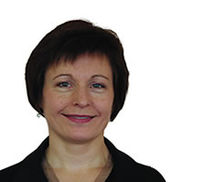
Dr Catherine Ferguson
ENT Surgeon
Ages
Adult / Pakeke, Child / Tamariki, Older adult / Kaumātua, Youth / Rangatahi
Fees and Charges Categorisation
Fees apply
Fees and Charges Description
Click on the link for information about fees and accounts
Languages Spoken
English
Services Provided
Your adenoids may be removed as part of a tonsillectomy. This operation is also performed through your mouth.
Your adenoids may be removed as part of a tonsillectomy. This operation is also performed through your mouth.
Your adenoids may be removed as part of a tonsillectomy. This operation is also performed through your mouth.
A tiny camera attached to a long tube is inserted through your nose or mouth and passed down through the airways into your lungs. This allows the surgeon to make a diagnosis either by seeing directly what is causing the problem or by taking a small tissue (biopsy) or lung secretion sample.
A tiny camera attached to a long tube is inserted through your nose or mouth and passed down through the airways into your lungs. This allows the surgeon to make a diagnosis either by seeing directly what is causing the problem or by taking a small tissue (biopsy) or lung secretion sample.
A tiny camera attached to a long tube is inserted through your nose or mouth and passed down through the airways into your lungs. This allows the surgeon to make a diagnosis either by seeing directly what is causing the problem or by taking a small tissue (biopsy) or lung secretion sample.
An incision (cut) is made behind your ear and the skin pulled back exposing the mastoid bone. A hole is drilled through this bone to expose the cochlear. The electrodes of the cochlear implant are inserted into the cochlear while the receiver part of the implant is embedded into the skull just underneath the skin. The skin is then replaced back over the implant.
An incision (cut) is made behind your ear and the skin pulled back exposing the mastoid bone. A hole is drilled through this bone to expose the cochlear. The electrodes of the cochlear implant are inserted into the cochlear while the receiver part of the implant is embedded into the skull just underneath the skin. The skin is then replaced back over the implant.
An incision (cut) is made behind your ear and the skin pulled back exposing the mastoid bone. A hole is drilled through this bone to expose the cochlear. The electrodes of the cochlear implant are inserted into the cochlear while the receiver part of the implant is embedded into the skull just underneath the skin. The skin is then replaced back over the implant.
The appearance of ears that are misshaped or protruding (‘bat ears’) can be improved surgically. This type of operation is often carried out in children. Cuts (incisions) are made behind the ears through which the cartilage in the ear can be reshaped or removed. The surgery lasts 1-2 hours and can be performed under local anaesthetic (the area treated is numb but you are awake), allowing you to go home the same day. For children, the procedure would be performed under general anaesthetic (they sleep through it) and they will remain in hospital overnight. You will need to wear head bandages for about 1 week and will probably be able to return to normal daily routines after that.
The appearance of ears that are misshaped or protruding (‘bat ears’) can be improved surgically. This type of operation is often carried out in children. Cuts (incisions) are made behind the ears through which the cartilage in the ear can be reshaped or removed. The surgery lasts 1-2 hours and can be performed under local anaesthetic (the area treated is numb but you are awake), allowing you to go home the same day. For children, the procedure would be performed under general anaesthetic (they sleep through it) and they will remain in hospital overnight. You will need to wear head bandages for about 1 week and will probably be able to return to normal daily routines after that.
The appearance of ears that are misshaped or protruding (‘bat ears’) can be improved surgically. This type of operation is often carried out in children.
Cuts (incisions) are made behind the ears through which the cartilage in the ear can be reshaped or removed. The surgery lasts 1-2 hours and can be performed under local anaesthetic (the area treated is numb but you are awake), allowing you to go home the same day. For children, the procedure would be performed under general anaesthetic (they sleep through it) and they will remain in hospital overnight. You will need to wear head bandages for about 1 week and will probably be able to return to normal daily routines after that.
Surgery can be carried out to improve the appearance of your nose e.g. straightening it if it’s crooked or increasing or decreasing its size. Small cuts (incisions) are made either on the inside or outside (in the creases) of the nose. Excess bone and/or cartilage is removed and the nose reshaped. The surgery takes about 2 hours and is performed under general anaesthetic (you sleep through it). You may be able to go home the same day or, in some cases, you may have to stay in hospital overnight. You will need to arrange for another person to drive you home. Your nose will be covered with a splint that you will have to wear for about 1 week. It will take about six weeks for the worst of the swelling to disappear.
Surgery can be carried out to improve the appearance of your nose e.g. straightening it if it’s crooked or increasing or decreasing its size. Small cuts (incisions) are made either on the inside or outside (in the creases) of the nose. Excess bone and/or cartilage is removed and the nose reshaped. The surgery takes about 2 hours and is performed under general anaesthetic (you sleep through it). You may be able to go home the same day or, in some cases, you may have to stay in hospital overnight. You will need to arrange for another person to drive you home. Your nose will be covered with a splint that you will have to wear for about 1 week. It will take about six weeks for the worst of the swelling to disappear.
Surgery can be carried out to improve the appearance of your nose e.g. straightening it if it’s crooked or increasing or decreasing its size.
Small cuts (incisions) are made either on the inside or outside (in the creases) of the nose. Excess bone and/or cartilage is removed and the nose reshaped. The surgery takes about 2 hours and is performed under general anaesthetic (you sleep through it). You may be able to go home the same day or, in some cases, you may have to stay in hospital overnight. You will need to arrange for another person to drive you home. Your nose will be covered with a splint that you will have to wear for about 1 week. It will take about six weeks for the worst of the swelling to disappear.
A ruptured eardrum (tympanic membrane perforation) is when a hole or tear occurs in the thin membrane (eardrum) that separates the ear canal from the middle ear. Causes may include middle ear infections, traumatic injury or sudden changes in air pressure. The eardrum usually heals by itself but sometimes a minor surgical procedure might be required to repair it. This typically involves patching the hole with a piece of tissue from a different part of your body. This is usually performed under general anaesthetic.
A ruptured eardrum (tympanic membrane perforation) is when a hole or tear occurs in the thin membrane (eardrum) that separates the ear canal from the middle ear. Causes may include middle ear infections, traumatic injury or sudden changes in air pressure. The eardrum usually heals by itself but sometimes a minor surgical procedure might be required to repair it. This typically involves patching the hole with a piece of tissue from a different part of your body. This is usually performed under general anaesthetic.
A ruptured eardrum (tympanic membrane perforation) is when a hole or tear occurs in the thin membrane (eardrum) that separates the ear canal from the middle ear. Causes may include middle ear infections, traumatic injury or sudden changes in air pressure.
The eardrum usually heals by itself but sometimes a minor surgical procedure might be required to repair it. This typically involves patching the hole with a piece of tissue from a different part of your body. This is usually performed under general anaesthetic.
A tiny camera attached to a tube (endoscope) is inserted into your nose. Very small instruments can be passed through the endoscope and used to remove small pieces of bone and soft tissue. This opens up the ventilation and drainage pathways in the outer wall of your nose.
A tiny camera attached to a tube (endoscope) is inserted into your nose. Very small instruments can be passed through the endoscope and used to remove small pieces of bone and soft tissue. This opens up the ventilation and drainage pathways in the outer wall of your nose.
A tiny camera attached to a tube (endoscope) is inserted into your nose. Very small instruments can be passed through the endoscope and used to remove small pieces of bone and soft tissue. This opens up the ventilation and drainage pathways in the outer wall of your nose.
This operation is performed through the ear canal. A hole is made in the eardrum and the middle ear drained. A small hollow tube (grommet) is placed in the eardrum hole which allows air into the middle ear.
This operation is performed through the ear canal. A hole is made in the eardrum and the middle ear drained. A small hollow tube (grommet) is placed in the eardrum hole which allows air into the middle ear.
This operation is performed through the ear canal. A hole is made in the eardrum and the middle ear drained. A small hollow tube (grommet) is placed in the eardrum hole which allows air into the middle ear.
Masses on the head and neck can be benign (noncancerous) or cancerous and can form in the larynx, pharynx, thyroid gland, salivary gland, mouth, neck, face, skull or any other structure in the head and neck region. Noncancerous masses such as cysts are often removed surgically to prevent them from pressing on nerves and other structures in the head and neck. Cancerous masses may be primary (arise in the head or neck) or secondary (they have spread from a primary tumour in another part of the body) and may be treated by a combination of radiotherapy, chemotherapy and surgery. Surgery can be quite extensive, including removal of lymph nodes in the neck, and require major reconstruction.
Masses on the head and neck can be benign (noncancerous) or cancerous and can form in the larynx, pharynx, thyroid gland, salivary gland, mouth, neck, face, skull or any other structure in the head and neck region. Noncancerous masses such as cysts are often removed surgically to prevent them from pressing on nerves and other structures in the head and neck. Cancerous masses may be primary (arise in the head or neck) or secondary (they have spread from a primary tumour in another part of the body) and may be treated by a combination of radiotherapy, chemotherapy and surgery. Surgery can be quite extensive, including removal of lymph nodes in the neck, and require major reconstruction.
Masses on the head and neck can be benign (noncancerous) or cancerous and can form in the larynx, pharynx, thyroid gland, salivary gland, mouth, neck, face, skull or any other structure in the head and neck region.
Noncancerous masses such as cysts are often removed surgically to prevent them from pressing on nerves and other structures in the head and neck.
Cancerous masses may be primary (arise in the head or neck) or secondary (they have spread from a primary tumour in another part of the body) and may be treated by a combination of radiotherapy, chemotherapy and surgery.
Surgery can be quite extensive, including removal of lymph nodes in the neck, and require major reconstruction.
A surgical procedure involving the removal of lymph nodes (bean-shaped glands that filter harmful agents picked up by the lymphatic system) from the neck to control the spread of cancer. It is most commonly done to treat head and neck cancers that have spread, or have the potential to spread, to the lymph nodes. There are different types of neck dissection, depending on how much tissue is removed – ranging from selective (only certain lymph nodes) to more extensive procedures.
A surgical procedure involving the removal of lymph nodes (bean-shaped glands that filter harmful agents picked up by the lymphatic system) from the neck to control the spread of cancer. It is most commonly done to treat head and neck cancers that have spread, or have the potential to spread, to the lymph nodes. There are different types of neck dissection, depending on how much tissue is removed – ranging from selective (only certain lymph nodes) to more extensive procedures.
A surgical procedure involving the removal of lymph nodes (bean-shaped glands that filter harmful agents picked up by the lymphatic system) from the neck to control the spread of cancer. It is most commonly done to treat head and neck cancers that have spread, or have the potential to spread, to the lymph nodes.
There are different types of neck dissection, depending on how much tissue is removed – ranging from selective (only certain lymph nodes) to more extensive procedures.
Nose surgery includes a range of procedures to change the shape, improve the function, or treat medical conditions of the nose. Common types include: Rhinoplasty – reshapes the nose for cosmetic or functional reasons. Septoplasty – straightens a deviated nasal septum (the thin wall between the nostrils) to improve breathing. Turbinoplasty – reduces swollen nasal tissues to ease airflow. Sinus surgery – treats chronic sinus infections or blockages.
Nose surgery includes a range of procedures to change the shape, improve the function, or treat medical conditions of the nose. Common types include: Rhinoplasty – reshapes the nose for cosmetic or functional reasons. Septoplasty – straightens a deviated nasal septum (the thin wall between the nostrils) to improve breathing. Turbinoplasty – reduces swollen nasal tissues to ease airflow. Sinus surgery – treats chronic sinus infections or blockages.
Nose surgery includes a range of procedures to change the shape, improve the function, or treat medical conditions of the nose. Common types include:
- Rhinoplasty – reshapes the nose for cosmetic or functional reasons.
- Septoplasty – straightens a deviated nasal septum (the thin wall between the nostrils) to improve breathing.
- Turbinoplasty – reduces swollen nasal tissues to ease airflow.
- Sinus surgery – treats chronic sinus infections or blockages.
A tiny camera attached to a long tube is inserted into your mouth and passed down through your pharynx into your oesophagus. This allows the surgeon to make a diagnosis either by seeing directly what is causing the problem or by taking a small tissue sample (biopsy).
A tiny camera attached to a long tube is inserted into your mouth and passed down through your pharynx into your oesophagus. This allows the surgeon to make a diagnosis either by seeing directly what is causing the problem or by taking a small tissue sample (biopsy).
A tiny camera attached to a long tube is inserted into your mouth and passed down through your pharynx into your oesophagus. This allows the surgeon to make a diagnosis either by seeing directly what is causing the problem or by taking a small tissue sample (biopsy).
The parathyroid glands are four small glands located in the neck which produce parathyroid hormone, a hormone involved in the regulation of calcium and phosphate levels. Overactivity of one or more of the glands (hyperparathyroidism) results in excessive parathyroid hormone production. Parathyroidectomy is a surgical procedure to remove one or more of the parathyroid glands through an incision (cut) in the front of and at the base of the neck.
The parathyroid glands are four small glands located in the neck which produce parathyroid hormone, a hormone involved in the regulation of calcium and phosphate levels. Overactivity of one or more of the glands (hyperparathyroidism) results in excessive parathyroid hormone production. Parathyroidectomy is a surgical procedure to remove one or more of the parathyroid glands through an incision (cut) in the front of and at the base of the neck.
The parathyroid glands are four small glands located in the neck which produce parathyroid hormone, a hormone involved in the regulation of calcium and phosphate levels. Overactivity of one or more of the glands (hyperparathyroidism) results in excessive parathyroid hormone production.
Parathyroidectomy is a surgical procedure to remove one or more of the parathyroid glands through an incision (cut) in the front of and at the base of the neck.
This is a surgical procedure to remove part or all of the parotid gland, which is the largest of the salivary glands and is located in front of and just below the ear. This surgery is most commonly done to remove tumours, which can be benign (non-cancerous) or malignant (cancerous). It may also be performed for chronic infections or other gland problems. Special care is taken during the surgery to protect the facial nerve, which runs through the parotid gland and controls movement of the face.
This is a surgical procedure to remove part or all of the parotid gland, which is the largest of the salivary glands and is located in front of and just below the ear. This surgery is most commonly done to remove tumours, which can be benign (non-cancerous) or malignant (cancerous). It may also be performed for chronic infections or other gland problems. Special care is taken during the surgery to protect the facial nerve, which runs through the parotid gland and controls movement of the face.
This is a surgical procedure to remove part or all of the parotid gland, which is the largest of the salivary glands and is located in front of and just below the ear.
This surgery is most commonly done to remove tumours, which can be benign (non-cancerous) or malignant (cancerous). It may also be performed for chronic infections or other gland problems.
Special care is taken during the surgery to protect the facial nerve, which runs through the parotid gland and controls movement of the face.
Nasal polyps are removed by inserting small instruments through your nostrils which can grasp and cut out the polyps.
Nasal polyps are removed by inserting small instruments through your nostrils which can grasp and cut out the polyps.
Nasal polyps are removed by inserting small instruments through your nostrils which can grasp and cut out the polyps.
There are three large pairs of glands (parotid, sublingual and submandibular) in your mouth that produce saliva which helps break down food as part of the digestion process. Salivary gland surgery involves the removal of one or more of the salivary glands for reasons including: tumours (benign or cancerous), chronic infections or blockages, salivary stones or injuries or cysts. Care is taken to avoid damaging nearby nerves, especially those that control facial movement.
There are three large pairs of glands (parotid, sublingual and submandibular) in your mouth that produce saliva which helps break down food as part of the digestion process. Salivary gland surgery involves the removal of one or more of the salivary glands for reasons including: tumours (benign or cancerous), chronic infections or blockages, salivary stones or injuries or cysts. Care is taken to avoid damaging nearby nerves, especially those that control facial movement.
There are three large pairs of glands (parotid, sublingual and submandibular) in your mouth that produce saliva which helps break down food as part of the digestion process.
Salivary gland surgery involves the removal of one or more of the salivary glands for reasons including: tumours (benign or cancerous), chronic infections or blockages, salivary stones or injuries or cysts.
Care is taken to avoid damaging nearby nerves, especially those that control facial movement.
This operation repositions the nasal septum and is performed entirely within your nose so that there are no external cuts made on your face.
This operation repositions the nasal septum and is performed entirely within your nose so that there are no external cuts made on your face.
This operation repositions the nasal septum and is performed entirely within your nose so that there are no external cuts made on your face.
This is a microsurgical procedure (microscopic lenses are used to help the surgeon see the tiny structures involved) to treat otosclerosis, a condition where the stapes, one of the tiny bones in the middle ear, becomes fixed in place and can’t vibrate properly, leading to hearing loss. During the procedure part or all of the stapes bone is removed and an artificial prosthesis inserted to help transmit sound into the inner ear. The surgery can either be performed under general anaesthetic (you sleep through it) or local anaesthetic (the area treated is numbed) plus sedation (you are given medication to make you feel sleepy).
This is a microsurgical procedure (microscopic lenses are used to help the surgeon see the tiny structures involved) to treat otosclerosis, a condition where the stapes, one of the tiny bones in the middle ear, becomes fixed in place and can’t vibrate properly, leading to hearing loss. During the procedure part or all of the stapes bone is removed and an artificial prosthesis inserted to help transmit sound into the inner ear. The surgery can either be performed under general anaesthetic (you sleep through it) or local anaesthetic (the area treated is numbed) plus sedation (you are given medication to make you feel sleepy).
This is a microsurgical procedure (microscopic lenses are used to help the surgeon see the tiny structures involved) to treat otosclerosis, a condition where the stapes, one of the tiny bones in the middle ear, becomes fixed in place and can’t vibrate properly, leading to hearing loss.
During the procedure part or all of the stapes bone is removed and an artificial prosthesis inserted to help transmit sound into the inner ear. The surgery can either be performed under general anaesthetic (you sleep through it) or local anaesthetic (the area treated is numbed) plus sedation (you are given medication to make you feel sleepy).
The thyroid is a gland that sits in the front, and towards the bottom of, your neck. It is responsible for producing a hormone called thyroxin that affects many organs including the heart, muscles and bones. Thyroidectomy is a surgical procedure to remove all or part of the thyroid gland for reasons such as thyroid cancer, goitre (enlarged thyroid), thyroid nodules or overactive thyroid (hyperthyroidism) that doesn't respond to other treatments. A thyroidectomy may be total (removal of the entire thyroid gland) or partial or lobectomy (removal of part of the gland).
The thyroid is a gland that sits in the front, and towards the bottom of, your neck. It is responsible for producing a hormone called thyroxin that affects many organs including the heart, muscles and bones. Thyroidectomy is a surgical procedure to remove all or part of the thyroid gland for reasons such as thyroid cancer, goitre (enlarged thyroid), thyroid nodules or overactive thyroid (hyperthyroidism) that doesn't respond to other treatments. A thyroidectomy may be total (removal of the entire thyroid gland) or partial or lobectomy (removal of part of the gland).
The thyroid is a gland that sits in the front, and towards the bottom of, your neck. It is responsible for producing a hormone called thyroxin that affects many organs including the heart, muscles and bones.
Thyroidectomy is a surgical procedure to remove all or part of the thyroid gland for reasons such as thyroid cancer, goitre (enlarged thyroid), thyroid nodules or overactive thyroid (hyperthyroidism) that doesn't respond to other treatments.
A thyroidectomy may be total (removal of the entire thyroid gland) or partial or lobectomy (removal of part of the gland).
Your tonsils are the oval-shaped lumps of tissue that lie on both sides of the back of the throat. Sometimes tonsils can become inflamed (red and swollen with white patches on them) as the result of a bacterial or viral infection; this is known as tonsillitis. If you have tonsillitis, you will have a very sore throat and maybe swollen glands on the side of your neck, a fever, headache or changes to your voice. In some cases, pus can be seen on the tonsils. Tonsillitis mostly occurs in young children and can be a recurrent condition (it keeps coming back). If the tonsillitis is caused by bacteria, antibiotics will be prescribed. If the tonsillitis is caused by a virus, treatment will usually consist of medications to relieve symptoms such as a pain killer. If tonsillitis occurs often over a period of two or more years, then surgical removal of the tonsils (tonsillectomy) may be considered. Tonsils are removed in an operation performed through your mouth. The tissue between your tonsils and throat is cut and your tonsils removed.
Your tonsils are the oval-shaped lumps of tissue that lie on both sides of the back of the throat. Sometimes tonsils can become inflamed (red and swollen with white patches on them) as the result of a bacterial or viral infection; this is known as tonsillitis. If you have tonsillitis, you will have a very sore throat and maybe swollen glands on the side of your neck, a fever, headache or changes to your voice. In some cases, pus can be seen on the tonsils. Tonsillitis mostly occurs in young children and can be a recurrent condition (it keeps coming back). If the tonsillitis is caused by bacteria, antibiotics will be prescribed. If the tonsillitis is caused by a virus, treatment will usually consist of medications to relieve symptoms such as a pain killer. If tonsillitis occurs often over a period of two or more years, then surgical removal of the tonsils (tonsillectomy) may be considered. Tonsils are removed in an operation performed through your mouth. The tissue between your tonsils and throat is cut and your tonsils removed.
Your tonsils are the oval-shaped lumps of tissue that lie on both sides of the back of the throat. Sometimes tonsils can become inflamed (red and swollen with white patches on them) as the result of a bacterial or viral infection; this is known as tonsillitis. If you have tonsillitis, you will have a very sore throat and maybe swollen glands on the side of your neck, a fever, headache or changes to your voice. In some cases, pus can be seen on the tonsils. Tonsillitis mostly occurs in young children and can be a recurrent condition (it keeps coming back).
If the tonsillitis is caused by bacteria, antibiotics will be prescribed. If the tonsillitis is caused by a virus, treatment will usually consist of medications to relieve symptoms such as a pain killer. If tonsillitis occurs often over a period of two or more years, then surgical removal of the tonsils (tonsillectomy) may be considered.
Tonsils are removed in an operation performed through your mouth. The tissue between your tonsils and throat is cut and your tonsils removed.
Visiting Hours
Visiting hours are between 8.00am and 8.00pm daily.
Refreshments
For those staying overnight we offer a choice of meals freshly prepared by our resident chef.
Parking
Parking is available for visitors in the grounds of the hospital. Please note this is limited to 90 minutes. If you are staying longer please speak to one of our reception team and they will extend this time limit for you.
Pharmacy
Find the nearest pharmacy here.
Website

Contact Details
Boulcott Hospital
Hutt
-
Phone
(04) 569 7555
Healthlink EDI
boulcott
Email
Website
666 High Street
Boulcott
Lower Hutt
Wellington 5010
Street Address
666 High Street
Boulcott
Lower Hutt
Wellington 5010
Postal Address
PO Box 31 459
Lower Hutt 5040
Wellington
New Zealand
Was this page helpful?
This page was last updated at 8:17AM on September 26, 2025. This information is reviewed and edited by Boulcott Hospital - Ear, Nose and Throat (ENT) / Otolaryngology Surgery.