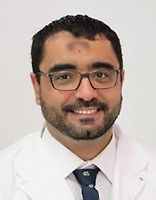
Totara House Clinic otolaryngologists (ENT specialists) have extensive training and experience with a wide range of conditions related to the ear, nose, throat, head and neck including:
- Cancer involving the Throat, Mouth or Nose
- Ear Infections
- Head and Neck Cancer
- Hearing Loss
- Infection and Tumours of the Salivary Glands
- Management of Neck Lumps
- Nasal and Sinus Symptoms
- Nose Bleeds
- Prominent Ears
- Septorhinoplasty
- Skin Cancer of the Head and Neck Region
- Snoring
- Throat Disorders
- Tongue Tie
- Tonsillectomy and Adenoidectomy
- Voice Problems
Also practising from Totara House Clinic are:
- Dr Calvin Chan, Neurologist: experienced in managing the spectrum of headache disorders.
- Dr Haitham Elasir, Rheumatologist: has world-class expertise and skills in treating all kinds of autoimmune / rheumatic diseases.
What is Otolaryngology?
Ear, Nose and Throat Surgery (ENT) is also known as Otolaryngology, Head and Neck Surgery. This area of medicine is concerned with disorders of the ear, nose, throat, the head and the neck.
ENT Surgeons (or otolaryngologists) are specialist doctors who deal with medical and surgical treatment of conditions of the ears, nose, throat and structures of the head and neck.
What is Neurology?
Neurology is the study of the Nervous System (brain, spinal cord and nerves), how it controls various parts of the body and the diseases and disorders that may affect it.
The brain coordinates how we think and what we do physically as well as controlling how the body manages itself. It sends messages to, and receives information from, the rest of the body via a complex system of nerves which use chemicals and electricity to send information.
The Nervous System can be divided into the voluntary nervous system which controls what we choose to do and the involuntary or autonomic nervous system that controls automatic functions that we don’t have to think about.
A medical specialist in this field is a Neurologist. A Neurosurgeon is a surgeon who operates on parts of the nervous system. The two specialists often work together, depending on the problem.
What is Rheumatology?
Rheumatology is the specialty of medicine that includes arthritis and autoimmune diseases. Arthritis means inflammation of a joint. A joint is where two or more bones meet and move in relation to each other. They are separated by a rubbery substance called cartilage which is smooth and slippery, allowing for easy movement. Cartilage covers the end of each bone. Tendons and ligaments attach bones to muscles and other bones. Cartilage, tendons and ligaments are enclosed within a membrane around the joint which releases a fluid into the joint space to keep it well lubricated.
Autoimmune disease is where an abnormality in the immune system leads to the body’s harming its own cells by mistake.
A rheumatologist is a doctor who has specialised in this area of medicine. Your GP will refer you to see a rheumatologist if they think you have an autoimmune disorder or if they need assistance diagnosing or treating arthritis.