
Wellington > Private Hospitals & Specialists >
The Rutherford Clinic - Wellington
Private Service, Gastroenterology, General Surgery, Endoscopy (Gastroenterology)
Today
8:00 AM to 5:00 PM.
Description
The Rutherford Clinic provides Gastroenterology and Endoscopy services to patients in the Lower North Island region and wider community, from our two state-of-the-art, high quality and purpose-built facilities.
We aim to provide prompt, rapid access to endoscopy services and/or specialist assessment and efficient, high quality gastrointestinal services with the best possible outcomes. We aim to complete our procedures within 14 days of referral or enquiry.
- Bowel screening for bowel cancer detection
- Colonoscopy
- Gastroscopy
- Paediatric Gastroenterology
- Flexi-sigmoidoscopy
- Capsule endoscopy
- Outpatient clinics (adults)
- Iron Infusions
- Bravo PH Study
- Breath Testing (SIBO and Food Intolerances)
- Manometry
- Alimetry
Our team of specialists work across both public and private hospitals, and have expert knowledge and clinical experience in Gastroenterology and Surgical fields.
What is Gastroenterology?
Gastroenterology is the branch of medicine that looks at diseases from the oesophagus (gullet), stomach, small and the large intestines (bowel), liver, gallbladder and pancreas.
We can provide either a consultation with one of our specialists or you can go directly for an Endoscopy (this is usually a Gastroscopy or a Colonoscopy).
Other services provided:
- Rheumatology
- Geriatrician
- Renal Physician
Consultants
-

Dr Ashwin Bhana
Paediatric Gastroenterologist
-

Dr Rees Cameron
Gastroenterologist
-

Dr Chris Cederwall
Gastroenterologist
-

Dr Amanda Chen
Gastroenterologist
-

Dr Alex Dalzell
General & Colorectal Surgeon
-

Dr Ben Griffiths
Gastroenterologist
-

Mr John Groom
General & Colorectal Surgeon
-

Dr Rob Hackett
Gastroenterologist
-
Dr Jason Hill
Gastroenterologist
-

Dr Stephen Inns
Gastroenterologist
-

Dr Caroline Di Jiang
Gastroenterologist
-
Dr Andrew Lane
Gastroenterologist
-

Dr Anthony Lin
General & Colorectal Surgeon
-

Mr Thomas Morgan
General & Colorectal Surgeon
-

Dr Tom Mules
Gastroenterologist
-

Dr Amit Reddy
General & Colorectal Surgeon
-

Dr Sophia Savva
Gastroenterologist
-
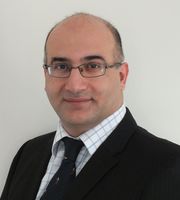
Dr Ali Shekouh
General & Colorectal Surgeon
-

Dr Gary Stone
General & Colorectal Surgeon
-

Dr Arjun Sugumaran
Gastroenterologist
-
Dr Jeff Tan
General & Colorectal Surgeon
-

Dr Ian Wilson
Gastroenterologist
-
Dr Alex Wittig
General Physician
-

Dr Sylvia Wu
Gastroenterologist
Ages
Adult / Pakeke, Child / Tamariki, Older adult / Kaumātua, Youth / Rangatahi
How do I access this service?
Referral, Website / App
Referral Expectations
Click on the link for information about referrals, results and CME sessions
You can be referred to us by either your GP or you can refer yourself by either calling us or going to our book now tab on our website.
https://therutherfordclinic.co.nz/book/
You may be seen either in clinic (usually half an hour or 45 minute appointment ) or be booked directly into a procedure (Endoscopy).
Fees and Charges Categorisation
Fees apply
Fees and Charges Description
If you do not have Health Insurance then we provide new patients (have not been a patient with us for the last 5 years ) with a fixed fee $2895.00 for Colonoscopy. We are able to provide options for payment terms if this is of interest.
The Rutherford Clinic is an Affiliated Provider to Southern Cross Health Insurance for selected services.
Hours
8:00 AM to 5:00 PM.
| Mon – Fri | 8:00 AM – 5:00 PM |
|---|
Public Holidays: Closed Waitangi Day (6 Feb), Good Friday (3 Apr), Easter Sunday (5 Apr), Easter Monday (6 Apr), ANZAC Day (observed) (27 Apr), King's Birthday (1 Jun), Matariki (10 Jul), Labour Day (26 Oct). Open Wellington Anniversary (25 Jan).
Languages Spoken
Cambodian, Cantonese Chinese, Chinese, Filipino, Mandarin Chinese, Portuguese, Russian, Spanish, Greek, Punjabi, Vietnamese
Services Provided
Breath testing is a simple, non-invasive way to check for problems in the digestive system. After drinking a special liquid, a patient breathes into a bag or machine at different times. The test measures gases like hydrogen or methane in the breath, which are made by bacteria in the gut. It helps doctors diagnose conditions like small intestinal bacterial overgrowth (SIBO), lactose intolerance, or how well the body digests certain sugars.
Breath testing is a simple, non-invasive way to check for problems in the digestive system. After drinking a special liquid, a patient breathes into a bag or machine at different times. The test measures gases like hydrogen or methane in the breath, which are made by bacteria in the gut. It helps doctors diagnose conditions like small intestinal bacterial overgrowth (SIBO), lactose intolerance, or how well the body digests certain sugars.
Breath testing is a simple, non-invasive way to check for problems in the digestive system. After drinking a special liquid, a patient breathes into a bag or machine at different times. The test measures gases like hydrogen or methane in the breath, which are made by bacteria in the gut. It helps doctors diagnose conditions like small intestinal bacterial overgrowth (SIBO), lactose intolerance, or how well the body digests certain sugars.
A PillCam is a small, capsule-shaped device with a built-in camera that patients swallow. As it moves through the digestive system, it takes thousands of pictures, helping doctors examine areas like the small intestine without the need for surgery. The images are sent to a recorder worn by the patient for approximately 8 hours and the device passes out of the body naturally in a bowel movement.
A PillCam is a small, capsule-shaped device with a built-in camera that patients swallow. As it moves through the digestive system, it takes thousands of pictures, helping doctors examine areas like the small intestine without the need for surgery. The images are sent to a recorder worn by the patient for approximately 8 hours and the device passes out of the body naturally in a bowel movement.
A PillCam is a small, capsule-shaped device with a built-in camera that patients swallow. As it moves through the digestive system, it takes thousands of pictures, helping doctors examine areas like the small intestine without the need for surgery. The images are sent to a recorder worn by the patient for approximately 8 hours and the device passes out of the body naturally in a bowel movement.
Coeliac disease is a condition caused by an allergy to gluten, a protein found in foods containing wheat, barley or rye. When someone with coeliac disease eats gluten, it damages the lining of their small intestine, making it harder for their body to absorb nutrients properly. This can cause symptoms like stomach pain, tiredness, diarrhoea, or skin rashes. The main treatment is following a strict gluten-free diet.
Coeliac disease is a condition caused by an allergy to gluten, a protein found in foods containing wheat, barley or rye. When someone with coeliac disease eats gluten, it damages the lining of their small intestine, making it harder for their body to absorb nutrients properly. This can cause symptoms like stomach pain, tiredness, diarrhoea, or skin rashes. The main treatment is following a strict gluten-free diet.
Coeliac disease is a condition caused by an allergy to gluten, a protein found in foods containing wheat, barley or rye. When someone with coeliac disease eats gluten, it damages the lining of their small intestine, making it harder for their body to absorb nutrients properly. This can cause symptoms like stomach pain, tiredness, diarrhoea, or skin rashes. The main treatment is following a strict gluten-free diet.
Colonoscopy is the examination of your colon (large bowel) using a colonoscope (long, flexible tube with a camera on the end). The colonoscope is passed into your rectum (bottom) and then moved slowly along the entire colon, while images from the camera are displayed on a television monitor. The procedure takes from 10 minutes to an hour. Sometimes a small tissue sample (biopsy) will need to be taken during the procedure for later examination at a laboratory. A colonoscopy may help diagnose conditions such as polyps (small growths of tissue projecting into the bowel), tumours, ulcerative colitis (inflammation of the colon) and diverticulitis (inflammation of sacs that form on the walls of the colon). Colonoscopy may also be used to remove polyps in the colon. Risks of a colonoscopy are rare but include: bleeding if a biopsy is performed; allergic reaction to the sedative; perforation (tearing) of the bowel wall. What to expect It is important that the bowel is completely empty before the procedure takes place. This means that you will only be able to have liquids on the day before, and will probably have to take some oral laxative medication (to make you go to the toilet more). When you are ready for the procedure, you will be given medication (a sedative) to make you go into a light sleep. This will be given by an injection into a vein in your arm or hand. The colonoscopy will usually take 15 – 30 minutes, but you will probably sleep for another 30 minutes. Because you have been sedated (given medication to make you sleep) it is important that you arrange for someone else to drive you home. Some patients may experience discomfort after the procedure, due to air remaining in the colon.
Colonoscopy is the examination of your colon (large bowel) using a colonoscope (long, flexible tube with a camera on the end). The colonoscope is passed into your rectum (bottom) and then moved slowly along the entire colon, while images from the camera are displayed on a television monitor. The procedure takes from 10 minutes to an hour. Sometimes a small tissue sample (biopsy) will need to be taken during the procedure for later examination at a laboratory. A colonoscopy may help diagnose conditions such as polyps (small growths of tissue projecting into the bowel), tumours, ulcerative colitis (inflammation of the colon) and diverticulitis (inflammation of sacs that form on the walls of the colon). Colonoscopy may also be used to remove polyps in the colon. Risks of a colonoscopy are rare but include: bleeding if a biopsy is performed; allergic reaction to the sedative; perforation (tearing) of the bowel wall. What to expect It is important that the bowel is completely empty before the procedure takes place. This means that you will only be able to have liquids on the day before, and will probably have to take some oral laxative medication (to make you go to the toilet more). When you are ready for the procedure, you will be given medication (a sedative) to make you go into a light sleep. This will be given by an injection into a vein in your arm or hand. The colonoscopy will usually take 15 – 30 minutes, but you will probably sleep for another 30 minutes. Because you have been sedated (given medication to make you sleep) it is important that you arrange for someone else to drive you home. Some patients may experience discomfort after the procedure, due to air remaining in the colon.
Colonoscopy is the examination of your colon (large bowel) using a colonoscope (long, flexible tube with a camera on the end). The colonoscope is passed into your rectum (bottom) and then moved slowly along the entire colon, while images from the camera are displayed on a television monitor.
The procedure takes from 10 minutes to an hour. Sometimes a small tissue sample (biopsy) will need to be taken during the procedure for later examination at a laboratory.
A colonoscopy may help diagnose conditions such as polyps (small growths of tissue projecting into the bowel), tumours, ulcerative colitis (inflammation of the colon) and diverticulitis (inflammation of sacs that form on the walls of the colon).
Colonoscopy may also be used to remove polyps in the colon.
Risks of a colonoscopy are rare but include: bleeding if a biopsy is performed; allergic reaction to the sedative; perforation (tearing) of the bowel wall.
What to expect
It is important that the bowel is completely empty before the procedure takes place. This means that you will only be able to have liquids on the day before, and will probably have to take some oral laxative medication (to make you go to the toilet more).
When you are ready for the procedure, you will be given medication (a sedative) to make you go into a light sleep. This will be given by an injection into a vein in your arm or hand.
The colonoscopy will usually take 15 – 30 minutes, but you will probably sleep for another 30 minutes. Because you have been sedated (given medication to make you sleep) it is important that you arrange for someone else to drive you home.
Some patients may experience discomfort after the procedure, due to air remaining in the colon.
A flexible tube with a tiny video camera attached (endoscope) is inserted through the mouth into the stomach and small intestine while you are under sedation (you have been given medication to make you drowsy). A smaller tube is then moved through the first tube into the bile duct (the tube that connects your gallbladder and liver to your intestines) through which dye is injected and an x-ray is taken to visualise the ducts. Problems in the bile and pancreatic ducts can be found and treated with this procedure.
A flexible tube with a tiny video camera attached (endoscope) is inserted through the mouth into the stomach and small intestine while you are under sedation (you have been given medication to make you drowsy). A smaller tube is then moved through the first tube into the bile duct (the tube that connects your gallbladder and liver to your intestines) through which dye is injected and an x-ray is taken to visualise the ducts. Problems in the bile and pancreatic ducts can be found and treated with this procedure.
A flexible tube with a tiny video camera attached (endoscope) is inserted through the mouth into the stomach and small intestine while you are under sedation (you have been given medication to make you drowsy). A smaller tube is then moved through the first tube into the bile duct (the tube that connects your gallbladder and liver to your intestines) through which dye is injected and an x-ray is taken to visualise the ducts. Problems in the bile and pancreatic ducts can be found and treated with this procedure.
In this procedure a thin, flexible tube with a camera and an ultrasound device at its tip is inserted through the mouth (or sometimes bottom). The tube is passed through the digestive tract and allows doctors to examine the lining of the tract as well as nearby organs, often to diagnose or stage cancers, evaluate abnormalities, or guide biopsies.
In this procedure a thin, flexible tube with a camera and an ultrasound device at its tip is inserted through the mouth (or sometimes bottom). The tube is passed through the digestive tract and allows doctors to examine the lining of the tract as well as nearby organs, often to diagnose or stage cancers, evaluate abnormalities, or guide biopsies.
In this procedure a thin, flexible tube with a camera and an ultrasound device at its tip is inserted through the mouth (or sometimes bottom). The tube is passed through the digestive tract and allows doctors to examine the lining of the tract as well as nearby organs, often to diagnose or stage cancers, evaluate abnormalities, or guide biopsies.
A long, narrow tube with a tiny camera attached (sigmoidoscope) is inserted into your anus and moved through your lower large intestine (bowel). This allows the surgeon a view of the lining of the lower large intestine (sigmoid colon). If necessary, a biopsy (small piece of tissue) may be taken for examination in the laboratory.
A long, narrow tube with a tiny camera attached (sigmoidoscope) is inserted into your anus and moved through your lower large intestine (bowel). This allows the surgeon a view of the lining of the lower large intestine (sigmoid colon). If necessary, a biopsy (small piece of tissue) may be taken for examination in the laboratory.
A long, narrow tube with a tiny camera attached (sigmoidoscope) is inserted into your anus and moved through your lower large intestine (bowel). This allows the surgeon a view of the lining of the lower large intestine (sigmoid colon). If necessary, a biopsy (small piece of tissue) may be taken for examination in the laboratory.
GORD is caused by the backflow (reflux) of food and stomach acid into the oesophagus (the tube that connects the mouth to the stomach) from the stomach. This happens when the valve between the stomach and the lower end of the oesophagus is not working properly. The main symptom of GORD is heartburn (a burning feeling in the stomach and chest). Read more about GORD on the Healthify website
GORD is caused by the backflow (reflux) of food and stomach acid into the oesophagus (the tube that connects the mouth to the stomach) from the stomach. This happens when the valve between the stomach and the lower end of the oesophagus is not working properly. The main symptom of GORD is heartburn (a burning feeling in the stomach and chest). Read more about GORD on the Healthify website
GORD is caused by the backflow (reflux) of food and stomach acid into the oesophagus (the tube that connects the mouth to the stomach) from the stomach. This happens when the valve between the stomach and the lower end of the oesophagus is not working properly. The main symptom of GORD is heartburn (a burning feeling in the stomach and chest).
Read more about GORD on the Healthify website
Gastroscopy allows examination of the upper part of your digestive tract i.e. oesophagus (food pipe), stomach and duodenum (top section of the small intestine), by passing a gastroscope (long, flexible tube with a camera on the end) through your mouth and down your digestive tract. Images from the camera are displayed on a television monitor. Sometimes a small tissue sample (biopsy) will need to be taken during the procedure for later examination at a laboratory. Gastroscopy may be used to diagnose peptic ulcers, tumours, gastritis etc. Complications from this procedure are very rare but can occur. They include: bleeding if a biopsy is performed; allergic reaction to the sedative or throat spray; perforation (tearing) of the stomach with the instrument (this is a serious but extremely rare complication). What to expect All endoscopic procedures are viewed as a surgical procedure and generally the same preparation will apply. You will not be able to eat or drink anything for 6 hours before your gastroscopy. When you are ready for the procedure, the back of your throat will be sprayed with anaesthetic. You will also be offered medication (a sedative) to make you go into a light sleep. This will be given by an injection into a vein in your arm or hand. The gastroscopy will take approximately 15 minutes, but you will probably sleep for another 30 minutes. You will spend some time in a recovery unit (probably 1-2 hours) to sleep off the sedative and to allow staff to monitor you (take blood pressure readings etc). Because you have been sedated (given medication to make you sleep) it is important that you arrange for someone else to drive you home. If biopsies are taken for examination, your GP will be sent the results within 2-3 weeks.
Gastroscopy allows examination of the upper part of your digestive tract i.e. oesophagus (food pipe), stomach and duodenum (top section of the small intestine), by passing a gastroscope (long, flexible tube with a camera on the end) through your mouth and down your digestive tract. Images from the camera are displayed on a television monitor. Sometimes a small tissue sample (biopsy) will need to be taken during the procedure for later examination at a laboratory. Gastroscopy may be used to diagnose peptic ulcers, tumours, gastritis etc. Complications from this procedure are very rare but can occur. They include: bleeding if a biopsy is performed; allergic reaction to the sedative or throat spray; perforation (tearing) of the stomach with the instrument (this is a serious but extremely rare complication). What to expect All endoscopic procedures are viewed as a surgical procedure and generally the same preparation will apply. You will not be able to eat or drink anything for 6 hours before your gastroscopy. When you are ready for the procedure, the back of your throat will be sprayed with anaesthetic. You will also be offered medication (a sedative) to make you go into a light sleep. This will be given by an injection into a vein in your arm or hand. The gastroscopy will take approximately 15 minutes, but you will probably sleep for another 30 minutes. You will spend some time in a recovery unit (probably 1-2 hours) to sleep off the sedative and to allow staff to monitor you (take blood pressure readings etc). Because you have been sedated (given medication to make you sleep) it is important that you arrange for someone else to drive you home. If biopsies are taken for examination, your GP will be sent the results within 2-3 weeks.
Gastroscopy allows examination of the upper part of your digestive tract i.e. oesophagus (food pipe), stomach and duodenum (top section of the small intestine), by passing a gastroscope (long, flexible tube with a camera on the end) through your mouth and down your digestive tract. Images from the camera are displayed on a television monitor. Sometimes a small tissue sample (biopsy) will need to be taken during the procedure for later examination at a laboratory.
Gastroscopy may be used to diagnose peptic ulcers, tumours, gastritis etc.
Complications from this procedure are very rare but can occur. They include: bleeding if a biopsy is performed; allergic reaction to the sedative or throat spray; perforation (tearing) of the stomach with the instrument (this is a serious but extremely rare complication).
What to expect
All endoscopic procedures are viewed as a surgical procedure and generally the same preparation will apply. You will not be able to eat or drink anything for 6 hours before your gastroscopy. When you are ready for the procedure, the back of your throat will be sprayed with anaesthetic. You will also be offered medication (a sedative) to make you go into a light sleep. This will be given by an injection into a vein in your arm or hand.
The gastroscopy will take approximately 15 minutes, but you will probably sleep for another 30 minutes. You will spend some time in a recovery unit (probably 1-2 hours) to sleep off the sedative and to allow staff to monitor you (take blood pressure readings etc). Because you have been sedated (given medication to make you sleep) it is important that you arrange for someone else to drive you home.
If biopsies are taken for examination, your GP will be sent the results within 2-3 weeks.
There are two types of IBD, ulcerative colitis and Crohn’s disease. In these conditions, the immune system attacks the lining of the colon causing inflammation and ulceration, bleeding and diarrhoea. In ulcerative colitis this only involves the large intestine, whereas in Crohn’s disease areas within the entire intestine can be involved. Both diseases are chronic (long term) with symptoms coming (relapse) and going (remission) over a number of years. Symptoms depend on what part of the intestine is involved but include: abdominal pain diarrhoea with bleeding tiredness fevers infections around the anus (bottom) weight loss can occur if the condition has been present for some time. Diagnosis is made when the symptoms, examination and blood tests suggest inflammatory bowel disease, infection is ruled out, and you undergo a colonoscopy with biopsy. Treatment depends on the severity of the symptoms and what part of the intestine is affected. Medication is aimed at suppressing the immune system, which is harming the lining of the bowel. This is done via oral or intravenous medication as well as medication given as an enema (via the bottom). Other treatments include changes in the diet to optimise nutrition and health. Treatment in some cases requires surgery to remove affected parts of the bowel.
There are two types of IBD, ulcerative colitis and Crohn’s disease. In these conditions, the immune system attacks the lining of the colon causing inflammation and ulceration, bleeding and diarrhoea. In ulcerative colitis this only involves the large intestine, whereas in Crohn’s disease areas within the entire intestine can be involved. Both diseases are chronic (long term) with symptoms coming (relapse) and going (remission) over a number of years. Symptoms depend on what part of the intestine is involved but include: abdominal pain diarrhoea with bleeding tiredness fevers infections around the anus (bottom) weight loss can occur if the condition has been present for some time. Diagnosis is made when the symptoms, examination and blood tests suggest inflammatory bowel disease, infection is ruled out, and you undergo a colonoscopy with biopsy. Treatment depends on the severity of the symptoms and what part of the intestine is affected. Medication is aimed at suppressing the immune system, which is harming the lining of the bowel. This is done via oral or intravenous medication as well as medication given as an enema (via the bottom). Other treatments include changes in the diet to optimise nutrition and health. Treatment in some cases requires surgery to remove affected parts of the bowel.
There are two types of IBD, ulcerative colitis and Crohn’s disease. In these conditions, the immune system attacks the lining of the colon causing inflammation and ulceration, bleeding and diarrhoea. In ulcerative colitis this only involves the large intestine, whereas in Crohn’s disease areas within the entire intestine can be involved. Both diseases are chronic (long term) with symptoms coming (relapse) and going (remission) over a number of years.
Symptoms depend on what part of the intestine is involved but include:
- abdominal pain
- diarrhoea with bleeding
- tiredness
- fevers
- infections around the anus (bottom)
- weight loss can occur if the condition has been present for some time.
Diagnosis is made when the symptoms, examination and blood tests suggest inflammatory bowel disease, infection is ruled out, and you undergo a colonoscopy with biopsy.
Treatment depends on the severity of the symptoms and what part of the intestine is affected. Medication is aimed at suppressing the immune system, which is harming the lining of the bowel. This is done via oral or intravenous medication as well as medication given as an enema (via the bottom). Other treatments include changes in the diet to optimise nutrition and health. Treatment in some cases requires surgery to remove affected parts of the bowel.
A range of medications such as iron, bisphosphonates (for bone conditions) and biologic treatments are delivered by intravenous infusion (given by injection into a vein through a drip).
A range of medications such as iron, bisphosphonates (for bone conditions) and biologic treatments are delivered by intravenous infusion (given by injection into a vein through a drip).
A range of medications such as iron, bisphosphonates (for bone conditions) and biologic treatments are delivered by intravenous infusion (given by injection into a vein through a drip).
IBS is a common condition that affects how the stomach and bowels work. People with IBS might get stomach pain, feel bloated, and have problems like diarrhoea (runny poo), constipation (hard poo), or both. Read more about irritable bowel syndrome (IBS) on the Healthify website.
IBS is a common condition that affects how the stomach and bowels work. People with IBS might get stomach pain, feel bloated, and have problems like diarrhoea (runny poo), constipation (hard poo), or both. Read more about irritable bowel syndrome (IBS) on the Healthify website.
IBS is a common condition that affects how the stomach and bowels work. People with IBS might get stomach pain, feel bloated, and have problems like diarrhoea (runny poo), constipation (hard poo), or both.
Read more about irritable bowel syndrome (IBS) on the Healthify website.
A group of procedures used to assess how well the oesophagus (the muscular tube that connects the throat to the stomach) is working. These tests help diagnose conditions such as reflux or swallowing disorders. Common oesophageal tests include: Oesophageal manometry: measures the muscle contractions in the oesophagus. BRAVO pH testing: measures the acidity (pH) in the oesophagus. Oesophageal pH impedance study: measures acid levels in the oesophagus over 24 hours.
A group of procedures used to assess how well the oesophagus (the muscular tube that connects the throat to the stomach) is working. These tests help diagnose conditions such as reflux or swallowing disorders. Common oesophageal tests include: Oesophageal manometry: measures the muscle contractions in the oesophagus. BRAVO pH testing: measures the acidity (pH) in the oesophagus. Oesophageal pH impedance study: measures acid levels in the oesophagus over 24 hours.
A group of procedures used to assess how well the oesophagus (the muscular tube that connects the throat to the stomach) is working. These tests help diagnose conditions such as reflux or swallowing disorders.
Common oesophageal tests include:
- Oesophageal manometry: measures the muscle contractions in the oesophagus.
- BRAVO pH testing: measures the acidity (pH) in the oesophagus.
- Oesophageal pH impedance study: measures acid levels in the oesophagus over 24 hours.
Peptic ulcers are sores or eroded areas that form in the lining of the digestive tract. They usually occur in the stomach (gastric ulcer) or in the duodenum (duodenal ulcer), which is the first part of the small intestine. People with peptic ulcers can have a wide variety of symptoms and signs, can be completely symptom-free or, much less commonly, can develop potentially life-threatening complications such as bleeding. Signs and symptoms of ulcers include: pain / burning or discomfort (usually in the upper abdomen) bloating an early sense of fullness with eating lack of appetite nausea vomiting bleeding, which is made apparent by blood in the stool, either in noticeable or microscopic amounts (very brisk bleeding will result in black and tarry stools that smell bad) Smoking, alcohol, anti-inflammatory medication and aspirin increase the risk of developing ulcers. Psychological stress and dietary factors (once thought to be the cause of ulcers) do not appear to have a major role in their development. Helicobacter pylori, a bacteria that is frequently found in the stomach is a major cause of stomach ulcers. If this is found you will be given a course of antibiotics. Diagnosis is made by the history, examination and sometimes blood tests. You may be asked to have a gastroscopy (see above) to clarify the diagnosis and aid with treatment. Treatment consists of medication to reduce the amount of acid in the stomach which aids in the healing of ulcers and avoidance of things that cause ulcers in the first place.
Peptic ulcers are sores or eroded areas that form in the lining of the digestive tract. They usually occur in the stomach (gastric ulcer) or in the duodenum (duodenal ulcer), which is the first part of the small intestine. People with peptic ulcers can have a wide variety of symptoms and signs, can be completely symptom-free or, much less commonly, can develop potentially life-threatening complications such as bleeding. Signs and symptoms of ulcers include: pain / burning or discomfort (usually in the upper abdomen) bloating an early sense of fullness with eating lack of appetite nausea vomiting bleeding, which is made apparent by blood in the stool, either in noticeable or microscopic amounts (very brisk bleeding will result in black and tarry stools that smell bad) Smoking, alcohol, anti-inflammatory medication and aspirin increase the risk of developing ulcers. Psychological stress and dietary factors (once thought to be the cause of ulcers) do not appear to have a major role in their development. Helicobacter pylori, a bacteria that is frequently found in the stomach is a major cause of stomach ulcers. If this is found you will be given a course of antibiotics. Diagnosis is made by the history, examination and sometimes blood tests. You may be asked to have a gastroscopy (see above) to clarify the diagnosis and aid with treatment. Treatment consists of medication to reduce the amount of acid in the stomach which aids in the healing of ulcers and avoidance of things that cause ulcers in the first place.
Peptic ulcers are sores or eroded areas that form in the lining of the digestive tract. They usually occur in the stomach (gastric ulcer) or in the duodenum (duodenal ulcer), which is the first part of the small intestine.
People with peptic ulcers can have a wide variety of symptoms and signs, can be completely symptom-free or, much less commonly, can develop potentially life-threatening complications such as bleeding. Signs and symptoms of ulcers include:
- pain / burning or discomfort (usually in the upper abdomen)
- bloating
- an early sense of fullness with eating
- lack of appetite
- nausea
- vomiting
- bleeding, which is made apparent by blood in the stool, either in noticeable or microscopic amounts (very brisk bleeding will result in black and tarry stools that smell bad)
Smoking, alcohol, anti-inflammatory medication and aspirin increase the risk of developing ulcers. Psychological stress and dietary factors (once thought to be the cause of ulcers) do not appear to have a major role in their development.
Helicobacter pylori, a bacteria that is frequently found in the stomach is a major cause of stomach ulcers. If this is found you will be given a course of antibiotics.
Diagnosis is made by the history, examination and sometimes blood tests. You may be asked to have a gastroscopy (see above) to clarify the diagnosis and aid with treatment.
Treatment consists of medication to reduce the amount of acid in the stomach which aids in the healing of ulcers and avoidance of things that cause ulcers in the first place.
A long, narrow tube with a tiny camera attached (sigmoidoscope) is inserted into your anus and moved through your lower large intestine (bowel). This allows the surgeon a view of the lining of the lower large intestine (sigmoid colon). If necessary, a biopsy (small piece of tissue) may be taken for examination in the laboratory.
A long, narrow tube with a tiny camera attached (sigmoidoscope) is inserted into your anus and moved through your lower large intestine (bowel). This allows the surgeon a view of the lining of the lower large intestine (sigmoid colon). If necessary, a biopsy (small piece of tissue) may be taken for examination in the laboratory.
A long, narrow tube with a tiny camera attached (sigmoidoscope) is inserted into your anus and moved through your lower large intestine (bowel). This allows the surgeon a view of the lining of the lower large intestine (sigmoid colon). If necessary, a biopsy (small piece of tissue) may be taken for examination in the laboratory.
This is cancer that begins in your colon or rectum. Often, it may start as a polyp which is a growth of abnormal tissue on the lining of the colon or rectum. Most people will not have symptoms of colorectal cancer until the disease is at a fairly advanced stage. Then they may experience symptoms such as: change in bowel habit that lasts for more than a few days blood in the stool stomach pain. Tests used to confirm a diagnosis of colorectal cancer include: stool blood test – a sample of stool is tested for traces of blood sigmoidoscopy colonoscopy barium enema – a chalky white substance (barium) and air are pumped into the colon and x-rays are taken biopsy – a small piece of tissue is removed for examination under a microscope Stool blood tests, sigmoidoscopy, colonoscopy and barium enemas are also used as screening tests to look for colorectal cancer in people without symptoms. If these tests find cancers at an early stage, the chances of successful treatment are much higher than when the cancers are further advanced. Screening tests can also involve the removal of polyps that may become cancerous in the future. Treatment The choice of treatment depends on your overall health as well as how far advanced the cancer is. This is determined in a process known as ‘staging’ in which the tumour size, lymph node involvement and spread to other organs is assessed. The three main forms of treatment for colorectal cancer are: Surgery – the most common treatment. Surgery may involve ‘Open Surgery’ in which a large incision (cut) is made in your abdomen or ‘Laparoscopic Surgery’ in which several much smaller incisions are made. The section of the colon or rectum with the cancer is removed and the two ends are reconnected. In some cases, a temporary or permanent colostomy may be required to remove body wastes. Chemotherapy – anticancer medicines, either taken by mouth (oral) or injected into a vein (intravenous), can destroy cancer cells and slow tumour growth. Chemotherapy is useful to treat cancers that have spread to other parts of the body and may also be used before or after surgery or in combination with radiation therapy. Radiation Therapy – high energy x-rays are used to destroy cancer cells or shrink tumours. It is often used together with surgery, in some cases to shrink the tumour before surgery, or to destroy any cells that may be left behind after surgery.
This is cancer that begins in your colon or rectum. Often, it may start as a polyp which is a growth of abnormal tissue on the lining of the colon or rectum. Most people will not have symptoms of colorectal cancer until the disease is at a fairly advanced stage. Then they may experience symptoms such as: change in bowel habit that lasts for more than a few days blood in the stool stomach pain. Tests used to confirm a diagnosis of colorectal cancer include: stool blood test – a sample of stool is tested for traces of blood sigmoidoscopy colonoscopy barium enema – a chalky white substance (barium) and air are pumped into the colon and x-rays are taken biopsy – a small piece of tissue is removed for examination under a microscope Stool blood tests, sigmoidoscopy, colonoscopy and barium enemas are also used as screening tests to look for colorectal cancer in people without symptoms. If these tests find cancers at an early stage, the chances of successful treatment are much higher than when the cancers are further advanced. Screening tests can also involve the removal of polyps that may become cancerous in the future. Treatment The choice of treatment depends on your overall health as well as how far advanced the cancer is. This is determined in a process known as ‘staging’ in which the tumour size, lymph node involvement and spread to other organs is assessed. The three main forms of treatment for colorectal cancer are: Surgery – the most common treatment. Surgery may involve ‘Open Surgery’ in which a large incision (cut) is made in your abdomen or ‘Laparoscopic Surgery’ in which several much smaller incisions are made. The section of the colon or rectum with the cancer is removed and the two ends are reconnected. In some cases, a temporary or permanent colostomy may be required to remove body wastes. Chemotherapy – anticancer medicines, either taken by mouth (oral) or injected into a vein (intravenous), can destroy cancer cells and slow tumour growth. Chemotherapy is useful to treat cancers that have spread to other parts of the body and may also be used before or after surgery or in combination with radiation therapy. Radiation Therapy – high energy x-rays are used to destroy cancer cells or shrink tumours. It is often used together with surgery, in some cases to shrink the tumour before surgery, or to destroy any cells that may be left behind after surgery.
This is cancer that begins in your colon or rectum. Often, it may start as a polyp which is a growth of abnormal tissue on the lining of the colon or rectum.
Most people will not have symptoms of colorectal cancer until the disease is at a fairly advanced stage. Then they may experience symptoms such as:
- change in bowel habit that lasts for more than a few days
- blood in the stool
- stomach pain.
Tests used to confirm a diagnosis of colorectal cancer include:
- stool blood test – a sample of stool is tested for traces of blood
- sigmoidoscopy
- colonoscopy
- barium enema – a chalky white substance (barium) and air are pumped into the colon and x-rays are taken
- biopsy – a small piece of tissue is removed for examination under a microscope
Stool blood tests, sigmoidoscopy, colonoscopy and barium enemas are also used as screening tests to look for colorectal cancer in people without symptoms. If these tests find cancers at an early stage, the chances of successful treatment are much higher than when the cancers are further advanced. Screening tests can also involve the removal of polyps that may become cancerous in the future.
Treatment
The choice of treatment depends on your overall health as well as how far advanced the cancer is. This is determined in a process known as ‘staging’ in which the tumour size, lymph node involvement and spread to other organs is assessed.
The three main forms of treatment for colorectal cancer are:
Surgery – the most common treatment. Surgery may involve ‘Open Surgery’ in which a large incision (cut) is made in your abdomen or ‘Laparoscopic Surgery’ in which several much smaller incisions are made. The section of the colon or rectum with the cancer is removed and the two ends are reconnected. In some cases, a temporary or permanent colostomy may be required to remove body wastes.
Chemotherapy – anticancer medicines, either taken by mouth (oral) or injected into a vein (intravenous), can destroy cancer cells and slow tumour growth. Chemotherapy is useful to treat cancers that have spread to other parts of the body and may also be used before or after surgery or in combination with radiation therapy.
Radiation Therapy – high energy x-rays are used to destroy cancer cells or shrink tumours. It is often used together with surgery, in some cases to shrink the tumour before surgery, or to destroy any cells that may be left behind after surgery.
Haemorrhoids are a condition where the veins under the lining of the anus are congested and enlarged. Less severe haemorrhoids can be managed with simple treatments such as injection or banding which can be performed in the clinic while larger ones will require surgery. Haemorrhoid removal: Haemorrhoidectomy: each haemorrhoid or pile is tied off and then cut away. Stapled Haemorrhoidectomy: a circular stapling device is used to pull the haemorrhoid tissue back into its normal position.
Haemorrhoids are a condition where the veins under the lining of the anus are congested and enlarged. Less severe haemorrhoids can be managed with simple treatments such as injection or banding which can be performed in the clinic while larger ones will require surgery. Haemorrhoid removal: Haemorrhoidectomy: each haemorrhoid or pile is tied off and then cut away. Stapled Haemorrhoidectomy: a circular stapling device is used to pull the haemorrhoid tissue back into its normal position.
Haemorrhoids are a condition where the veins under the lining of the anus are congested and enlarged. Less severe haemorrhoids can be managed with simple treatments such as injection or banding which can be performed in the clinic while larger ones will require surgery.
Haemorrhoid removal:
Haemorrhoidectomy: each haemorrhoid or pile is tied off and then cut away.
Stapled Haemorrhoidectomy: a circular stapling device is used to pull the haemorrhoid tissue back into its normal position.
Gallstones are formed if the gallbladder is not working properly, and the standard treatment is to remove the gallbladder (cholecystectomy). This procedure is usually performed using a laparoscopic (keyhole) approach. Laparoscopic: several small incisions (cuts) are made in the abdomen (stomach) and a narrow tube with a tiny camera attached (laparoscope) is inserted. This allows the surgeon a view of the gallbladder and, by inserting small surgical instruments through the other cuts, the gallbladder can be removed. Open: an abdominal incision is made and the gallbladder removed.
Gallstones are formed if the gallbladder is not working properly, and the standard treatment is to remove the gallbladder (cholecystectomy). This procedure is usually performed using a laparoscopic (keyhole) approach. Laparoscopic: several small incisions (cuts) are made in the abdomen (stomach) and a narrow tube with a tiny camera attached (laparoscope) is inserted. This allows the surgeon a view of the gallbladder and, by inserting small surgical instruments through the other cuts, the gallbladder can be removed. Open: an abdominal incision is made and the gallbladder removed.
Gallstones are formed if the gallbladder is not working properly, and the standard treatment is to remove the gallbladder (cholecystectomy). This procedure is usually performed using a laparoscopic (keyhole) approach.
Laparoscopic: several small incisions (cuts) are made in the abdomen (stomach) and a narrow tube with a tiny camera attached (laparoscope) is inserted. This allows the surgeon a view of the gallbladder and, by inserting small surgical instruments through the other cuts, the gallbladder can be removed.
Open: an abdominal incision is made and the gallbladder removed.
Your GP will refer you us if they are concerned that you have problems that require a specialist opinion regarding the diagnosis or treatment of the condition. Before coming to our clinic, you may be asked to undergo tests such as blood tests, urine tests or stool/faeces tests (you collect a sample of your urine or poo for analysis). During your appointment a history of your symptoms will be taken as well as a review of any medications you are on (please bring these with you). You will then be examined which may involve, depending on your complaints, a rectal examination. This involves the insertion of the doctor’s finger or a tube into your bottom to examine the inside.
Your GP will refer you us if they are concerned that you have problems that require a specialist opinion regarding the diagnosis or treatment of the condition. Before coming to our clinic, you may be asked to undergo tests such as blood tests, urine tests or stool/faeces tests (you collect a sample of your urine or poo for analysis). During your appointment a history of your symptoms will be taken as well as a review of any medications you are on (please bring these with you). You will then be examined which may involve, depending on your complaints, a rectal examination. This involves the insertion of the doctor’s finger or a tube into your bottom to examine the inside.
Before coming to our clinic, you may be asked to undergo tests such as blood tests, urine tests or stool/faeces tests (you collect a sample of your urine or poo for analysis).
During your appointment a history of your symptoms will be taken as well as a review of any medications you are on (please bring these with you). You will then be examined which may involve, depending on your complaints, a rectal examination. This involves the insertion of the doctor’s finger or a tube into your bottom to examine the inside.
Regular bowel screening can help find bowel cancer at an early stage, before it spreads. Colonoscopy is the gold standard way to check the bowel and can also be used to remove any pre-cancerous polyp lesions that may be found to prevent you developing bowel cancer in the future.
Regular bowel screening can help find bowel cancer at an early stage, before it spreads. Colonoscopy is the gold standard way to check the bowel and can also be used to remove any pre-cancerous polyp lesions that may be found to prevent you developing bowel cancer in the future.
Regular bowel screening can help find bowel cancer at an early stage, before it spreads. Colonoscopy is the gold standard way to check the bowel and can also be used to remove any pre-cancerous polyp lesions that may be found to prevent you developing bowel cancer in the future.
The Bravo™ pH Monitoring System is used to measure gastroesophageal pH and monitor gastric reflux. A small capsule is temporarily attached to the wall of the oesophagus. The capsule measures pH levels in the oesophagus and transmits readings to a receiver worn on your belt or waistband.
The Bravo™ pH Monitoring System is used to measure gastroesophageal pH and monitor gastric reflux. A small capsule is temporarily attached to the wall of the oesophagus. The capsule measures pH levels in the oesophagus and transmits readings to a receiver worn on your belt or waistband.
Service types: Oesophageal testing.
The Bravo™ pH Monitoring System is used to measure gastroesophageal pH and monitor gastric reflux.
A small capsule is temporarily attached to the wall of the oesophagus. The capsule measures pH levels in the oesophagus and transmits readings to a receiver worn on your belt or waistband.
Helicobacter pylori, a bacteria that is frequently found in the stomach is a major cause of stomach ulcers. If this is found you will be given a course of antibiotics.
Helicobacter pylori, a bacteria that is frequently found in the stomach is a major cause of stomach ulcers. If this is found you will be given a course of antibiotics.
Service types: Peptic ulcers.
Helicobacter pylori, a bacteria that is frequently found in the stomach is a major cause of stomach ulcers. If this is found you will be given a course of antibiotics.
Manometry is a diagnostic test used to measure the pressure and function of muscles, usually in the gastrointestinal (GI) tract. It evaluates the muscle contractions and the coordination of these muscles in areas such as the oesophagus, stomach, and rectum. The test is commonly used to diagnose conditions related to abnormal muscle function in these regions, such as: Oesophageal manometry: Evaluates the function of the oesophagus and the lower oesophageal sphincter (LES) to diagnose disorders like achalasia, gastroesophageal reflux disease (GERD), and oesophageal motility disorders. Anorectal manometry: Assesses the function of the rectum and anal sphincter, often used to diagnose conditions like chronic constipation or fecal incontinence.
Manometry is a diagnostic test used to measure the pressure and function of muscles, usually in the gastrointestinal (GI) tract. It evaluates the muscle contractions and the coordination of these muscles in areas such as the oesophagus, stomach, and rectum. The test is commonly used to diagnose conditions related to abnormal muscle function in these regions, such as: Oesophageal manometry: Evaluates the function of the oesophagus and the lower oesophageal sphincter (LES) to diagnose disorders like achalasia, gastroesophageal reflux disease (GERD), and oesophageal motility disorders. Anorectal manometry: Assesses the function of the rectum and anal sphincter, often used to diagnose conditions like chronic constipation or fecal incontinence.
Service types: Oesophageal testing.
Manometry is a diagnostic test used to measure the pressure and function of muscles, usually in the gastrointestinal (GI) tract. It evaluates the muscle contractions and the coordination of these muscles in areas such as the oesophagus, stomach, and rectum. The test is commonly used to diagnose conditions related to abnormal muscle function in these regions, such as:
- Oesophageal manometry: Evaluates the function of the oesophagus and the lower oesophageal sphincter (LES) to diagnose disorders like achalasia, gastroesophageal reflux disease (GERD), and oesophageal motility disorders.
- Anorectal manometry: Assesses the function of the rectum and anal sphincter, often used to diagnose conditions like chronic constipation or fecal incontinence.
Disability Assistance
Wheelchair access
Online Booking URL
Refreshments
Refreshments provided - dietary requirements catered for.
Public Transport
Bus stop outside. Welllington Railway station 10 minute walk.
Parking
Free parking on site for clinic patients and pick up/drop off.
Accommodation
The Sebel is across the road.
Pharmacy
Find your nearest pharmacy here
Security
Fully monitored 24 hrs (video surveillance).
Website

Contact Details
167 Thorndon Quay, Pipitea, Wellington
Wellington
8:00 AM to 5:00 PM.
-
Phone
(04) 903 2900
-
Fax
(04) 903 2901
Healthlink EDI
SXHOSPRU
Email
Website
Rutherford Clinic Building, 167 Thorndon Quay
Pipitea
Wellington
Wellington 6011
Street Address
Rutherford Clinic Building, 167 Thorndon Quay
Pipitea
Wellington
Wellington 6011
Was this page helpful?
This page was last updated at 9:58AM on September 16, 2025. This information is reviewed and edited by The Rutherford Clinic - Wellington.