
Dunedin - South Otago, Central Lakes, Southland, Waitaki > Private Hospitals & Specialists >
Aspiring Bariatrics, Laparoscopy and Endoscopy
Private Service, General Surgery, Bariatric (Weight Loss) Surgery
Description
Aspiring Bariatrics Laparoscopy & Endoscopy is the specialist surgical practice of Dr Mark Smith.
Dr Smith is a New Zealand trained surgeon who specialises in the use of laparoscopic and minimally invasive surgical techniques to treat conditions like reflux, hernias and gallstones as well as metabolic and other complications of excess weight.
Established in 2012 our focus is on providing high quality care for the people of Otago and Southland. We are based in Dunedin but also provide regular monthly face-to-face clinics in Invercargill, Queenstown as well as Zoom telehealth consultations.
Services offered:
Weight Loss Surgery
Staff
Sharon: Practice manager and practice nurse
Abby: Registered nurse with a focus on bariatric surgery and exercise
Renee: Registered dietitian
Kim: Registered dietitian
Latesha: Clinical psychologist supporting people before and after bariatric surgery
Mark: Psychologist providing emotional and psychological support for patients before and after surgery
Sarah: Receptionist
Read more about our team here
Consultants
-
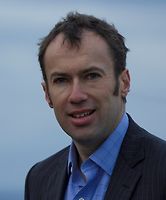
Mr Mark Smith
Bariatric and Upper Gastrointestinal Surgeon
Ages
Adult / Pakeke, Older adult / Kaumātua
How do I access this service?
Referral
Although we do not require a GP referral to make an appointment, we strongly encourage you to talk to your GP about the pros and cons of bariatric surgery on your health. We do require all patients to be registered with a local GP and to have their support prior to going ahead with surgery.
Contact us
Make an appointment
Referral Expectations
Patient resources: click here for information about gastro-oesophageal reflx and anti-reflux surgery, weight loss surgery and bariatric long term follow up for patients and doctors.
Fees and Charges Categorisation
Fees apply
Fees and Charges Description
Dr Smith is an Affiliated Provider to Southern Cross Health Insurance for Consultations, Hernia Surgery, Gallbladder Surgery, Anti-reflux Surgery, Gastroscopy and Colonoscopy. Mark is also an NIB First Choice member.
While we do not offer payment plans ‘in house’, we do partner with Nova medical finance who specialise in loans for medical procedures.
Hours
Marinoto Clinic, 72 Newington Ave, Dunedin
9:00 AM to 3:30 PM.
| Mon – Fri | 9:00 AM – 3:30 PM |
|---|
81 Don Street, Invercargill
Monthly face-to-face clinics
9 Isle Street, Queenstown
Monthly face-to-face clinics
4 Thirteenth Avenue, Lower Shotover, Queenstown
Twice-Monthly face-to-face clinics
Languages Spoken
English
Services Provided
Bariatric or weight loss surgery refers to a number of different procedures that can be performed to treat obesity. Procedures fall into three main types: Malabsorptive - these procedures involve bypassing a section of the small intestine thus reducing the amount of food absorbed into the body. Laparoscopic Gastric Bypass involves bypassing a section of the intestine so that less food is absorbed. Restrictive - these procedures involve reducing the size of the stomach, usually by creating a small pouch at the top of the stomach which limits the amount of food that can be eaten. Laparoscopic Gastric Banding is a surgical treatment for obesity that involves placing an inflatable cuff around the upper stomach. The cuff can be further inflated or deflated to adjust the volume of food that can be consumed. Malabsorptive/Restrictive Combination - these procedures combine both techniques e.g. gastric bypass surgery in which a small stomach pouch is formed and its outlet connected to part of the small intestine.
Bariatric or weight loss surgery refers to a number of different procedures that can be performed to treat obesity. Procedures fall into three main types: Malabsorptive - these procedures involve bypassing a section of the small intestine thus reducing the amount of food absorbed into the body. Laparoscopic Gastric Bypass involves bypassing a section of the intestine so that less food is absorbed. Restrictive - these procedures involve reducing the size of the stomach, usually by creating a small pouch at the top of the stomach which limits the amount of food that can be eaten. Laparoscopic Gastric Banding is a surgical treatment for obesity that involves placing an inflatable cuff around the upper stomach. The cuff can be further inflated or deflated to adjust the volume of food that can be consumed. Malabsorptive/Restrictive Combination - these procedures combine both techniques e.g. gastric bypass surgery in which a small stomach pouch is formed and its outlet connected to part of the small intestine.
Bariatric or weight loss surgery refers to a number of different procedures that can be performed to treat obesity. Procedures fall into three main types:
Malabsorptive - these procedures involve bypassing a section of the small intestine thus reducing the amount of food absorbed into the body.
Laparoscopic Gastric Bypass involves bypassing a section of the intestine so that less food is absorbed.
Restrictive - these procedures involve reducing the size of the stomach, usually by creating a small pouch at the top of the stomach which limits the amount of food that can be eaten.
Laparoscopic Gastric Banding is a surgical treatment for obesity that involves placing an inflatable cuff around the upper stomach. The cuff can be further inflated or deflated to adjust the volume of food that can be consumed.
Malabsorptive/Restrictive Combination - these procedures combine both techniques e.g. gastric bypass surgery in which a small stomach pouch is formed and its outlet connected to part of the small intestine.
A hernia exists where part of the abdominal wall is weakened, and the contents of the abdomen push through to the outside. This is most commonly seen in the groin area but can occur in other places. Surgical treatment is usually quite straightforward and involves returning the abdominal contents to the inside and then reinforcing the abdominal wall in some way. Hiatus Hernia: Laparoscopic: several small incisions (cuts) are made in the abdomen (stomach) and a narrow tube with a tiny camera attached (laparoscope) is inserted. Small instruments are inserted through the other cuts, allowing the surgeon to push the hernia (part of the stomach and lower oesophagus that is bulging into the chest) back into position in the abdominal cavity. The hiatus (opening) in the diaphragm (a sheet of muscle between the chest and stomach) is tightened and the stomach is stitched into place. Open: an abdominal incision is made over the hernia and the hernia is pushed back into position in the abdominal cavity. The hiatus (opening in the diaphragm) is tightened and the stomach is stitched into place. Fundoplication: during the above procedures, the top part of the stomach (fundus) may be secured in position by wrapping it around the oesophagus. Inguinal Hernia: Laparoscopic: several small incisions are made in the abdomen and a narrow tube with a tiny camera attached (laparoscope) is inserted. Small instruments are inserted through the other cuts, allowing the surgeon to push the hernia (part of the intestine that is bulging through the abdominal wall) back into its original position. The weakness in the abdominal wall is repaired. Open: an abdominal incision is made and the hernia is pushed back into position. The weakness in the abdominal wall is repaired. Umbilical Hernia: An incision is made underneath the navel (tummy button) and the hernia (part of the intestine that is bulging through the abdominal wall) is pushed back into the abdominal cavity. The weakness in the abdominal wall is repaired. Incisional Hernia: Laparoscopic: several small incisions are made in the abdomen and a narrow tube with a tiny camera attached (laparoscope) is inserted. Small instruments are inserted through the other cuts, allowing the surgeon to push the hernia (part of the intestine that is bulging through the abdominal wall) back into its original position. Open: an abdominal incision is made and the hernia is pushed back into position.
A hernia exists where part of the abdominal wall is weakened, and the contents of the abdomen push through to the outside. This is most commonly seen in the groin area but can occur in other places. Surgical treatment is usually quite straightforward and involves returning the abdominal contents to the inside and then reinforcing the abdominal wall in some way. Hiatus Hernia: Laparoscopic: several small incisions (cuts) are made in the abdomen (stomach) and a narrow tube with a tiny camera attached (laparoscope) is inserted. Small instruments are inserted through the other cuts, allowing the surgeon to push the hernia (part of the stomach and lower oesophagus that is bulging into the chest) back into position in the abdominal cavity. The hiatus (opening) in the diaphragm (a sheet of muscle between the chest and stomach) is tightened and the stomach is stitched into place. Open: an abdominal incision is made over the hernia and the hernia is pushed back into position in the abdominal cavity. The hiatus (opening in the diaphragm) is tightened and the stomach is stitched into place. Fundoplication: during the above procedures, the top part of the stomach (fundus) may be secured in position by wrapping it around the oesophagus. Inguinal Hernia: Laparoscopic: several small incisions are made in the abdomen and a narrow tube with a tiny camera attached (laparoscope) is inserted. Small instruments are inserted through the other cuts, allowing the surgeon to push the hernia (part of the intestine that is bulging through the abdominal wall) back into its original position. The weakness in the abdominal wall is repaired. Open: an abdominal incision is made and the hernia is pushed back into position. The weakness in the abdominal wall is repaired. Umbilical Hernia: An incision is made underneath the navel (tummy button) and the hernia (part of the intestine that is bulging through the abdominal wall) is pushed back into the abdominal cavity. The weakness in the abdominal wall is repaired. Incisional Hernia: Laparoscopic: several small incisions are made in the abdomen and a narrow tube with a tiny camera attached (laparoscope) is inserted. Small instruments are inserted through the other cuts, allowing the surgeon to push the hernia (part of the intestine that is bulging through the abdominal wall) back into its original position. Open: an abdominal incision is made and the hernia is pushed back into position.
A hernia exists where part of the abdominal wall is weakened, and the contents of the abdomen push through to the outside. This is most commonly seen in the groin area but can occur in other places. Surgical treatment is usually quite straightforward and involves returning the abdominal contents to the inside and then reinforcing the abdominal wall in some way.
Hiatus Hernia:
Laparoscopic: several small incisions (cuts) are made in the abdomen (stomach) and a narrow tube with a tiny camera attached (laparoscope) is inserted. Small instruments are inserted through the other cuts, allowing the surgeon to push the hernia (part of the stomach and lower oesophagus that is bulging into the chest) back into position in the abdominal cavity. The hiatus (opening) in the diaphragm (a sheet of muscle between the chest and stomach) is tightened and the stomach is stitched into place.
Open: an abdominal incision is made over the hernia and the hernia is pushed back into position in the abdominal cavity. The hiatus (opening in the diaphragm) is tightened and the stomach is stitched into place.
Fundoplication: during the above procedures, the top part of the stomach (fundus) may be secured in position by wrapping it around the oesophagus.
Inguinal Hernia:
Laparoscopic: several small incisions are made in the abdomen and a narrow tube with a tiny camera attached (laparoscope) is inserted. Small instruments are inserted through the other cuts, allowing the surgeon to push the hernia (part of the intestine that is bulging through the abdominal wall) back into its original position. The weakness in the abdominal wall is repaired.
Open: an abdominal incision is made and the hernia is pushed back into position. The weakness in the abdominal wall is repaired.
Umbilical Hernia:
An incision is made underneath the navel (tummy button) and the hernia (part of the intestine that is bulging through the abdominal wall) is pushed back into the abdominal cavity. The weakness in the abdominal wall is repaired.
Incisional Hernia:
Laparoscopic: several small incisions are made in the abdomen and a narrow tube with a tiny camera attached (laparoscope) is inserted. Small instruments are inserted through the other cuts, allowing the surgeon to push the hernia (part of the intestine that is bulging through the abdominal wall) back into its original position.
Open: an abdominal incision is made and the hernia is pushed back into position.
Gallstones are formed if the gallbladder is not working properly, and the standard treatment is to remove the gallbladder (cholecystectomy). This procedure is usually performed using a laparoscopic (keyhole) approach. Laparoscopic: several small incisions (cuts) are made in the abdomen (stomach) and a narrow tube with a tiny camera attached (laparoscope) is inserted. This allows the surgeon a view of the gallbladder and, by inserting small surgical instruments through the other cuts, the gallbladder can be removed. Open: an abdominal incision is made and the gallbladder removed.
Gallstones are formed if the gallbladder is not working properly, and the standard treatment is to remove the gallbladder (cholecystectomy). This procedure is usually performed using a laparoscopic (keyhole) approach. Laparoscopic: several small incisions (cuts) are made in the abdomen (stomach) and a narrow tube with a tiny camera attached (laparoscope) is inserted. This allows the surgeon a view of the gallbladder and, by inserting small surgical instruments through the other cuts, the gallbladder can be removed. Open: an abdominal incision is made and the gallbladder removed.
Gallstones are formed if the gallbladder is not working properly, and the standard treatment is to remove the gallbladder (cholecystectomy). This procedure is usually performed using a laparoscopic (keyhole) approach.
Laparoscopic: several small incisions (cuts) are made in the abdomen (stomach) and a narrow tube with a tiny camera attached (laparoscope) is inserted. This allows the surgeon a view of the gallbladder and, by inserting small surgical instruments through the other cuts, the gallbladder can be removed.
Open: an abdominal incision is made and the gallbladder removed.
Partial: the diseased part of the stomach is removed and the remaining section is reattached to the oesophagus (food pipe) or small intestine. Total: all of the stomach is removed and the oesophagus is attached directly to the small intestine.
Partial: the diseased part of the stomach is removed and the remaining section is reattached to the oesophagus (food pipe) or small intestine. Total: all of the stomach is removed and the oesophagus is attached directly to the small intestine.
Partial: the diseased part of the stomach is removed and the remaining section is reattached to the oesophagus (food pipe) or small intestine.
Total: all of the stomach is removed and the oesophagus is attached directly to the small intestine.
Conditions of the gut dealt with by general surgery include disorders of the oesophagus, stomach, small bowel, large bowel and anus. These range from complex conditions such as ulceration or cancer in the bowel through to fairly minor conditions such as haemorrhoids. Many of the more major conditions such as bowel cancer will require surgery, or sometimes treatment with medication, chemotherapy or radiotherapy. Haemorrhoids are a condition where the veins under the lining of the anus are congested and enlarged. Less severe haemorrhoids can be managed with simple treatments such as injection or banding which can be performed in the clinic while larger ones will require surgery.
Conditions of the gut dealt with by general surgery include disorders of the oesophagus, stomach, small bowel, large bowel and anus. These range from complex conditions such as ulceration or cancer in the bowel through to fairly minor conditions such as haemorrhoids. Many of the more major conditions such as bowel cancer will require surgery, or sometimes treatment with medication, chemotherapy or radiotherapy. Haemorrhoids are a condition where the veins under the lining of the anus are congested and enlarged. Less severe haemorrhoids can be managed with simple treatments such as injection or banding which can be performed in the clinic while larger ones will require surgery.
Conditions of the gut dealt with by general surgery include disorders of the oesophagus, stomach, small bowel, large bowel and anus. These range from complex conditions such as ulceration or cancer in the bowel through to fairly minor conditions such as haemorrhoids. Many of the more major conditions such as bowel cancer will require surgery, or sometimes treatment with medication, chemotherapy or radiotherapy.
Haemorrhoids are a condition where the veins under the lining of the anus are congested and enlarged. Less severe haemorrhoids can be managed with simple treatments such as injection or banding which can be performed in the clinic while larger ones will require surgery.
Gastroscopy allows examination of the upper part of your digestive tract i.e. oesophagus (food pipe), stomach and duodenum (top section of the small intestine), by passing a gastroscope (long, flexible tube with a camera on the end) through your mouth and down your digestive tract. Images from the camera are displayed on a television monitor. Sometimes a small tissue sample (biopsy) will need to be taken during the procedure for later examination at a laboratory. Gastroscopy may be used to diagnose peptic ulcers, tumours, gastritis etc. Complications from this procedure are very rare but can occur. They include: bleeding if a biopsy is performed; allergic reaction to the sedative or throat spray; perforation (tearing) of the stomach with the instrument (this is a serious but extremely rare complication). What to expect All endoscopic procedures are viewed as a surgical procedure and generally the same preparation will apply. You will not be able to eat or drink anything for 6 hours before your gastroscopy. When you are ready for the procedure, the back of your throat will be sprayed with anaesthetic. You will also be offered medication (a sedative) to make you go into a light sleep. This will be given by an injection into a vein in your arm or hand. The gastroscopy will take approximately 15 minutes, but you will probably sleep for another 30 minutes. You will spend some time in a recovery unit (probably 1-2 hours) to sleep off the sedative and to allow staff to monitor you (take blood pressure readings etc). Because you have been sedated (given medication to make you sleep) it is important that you arrange for someone else to drive you home. If biopsies are taken for examination, your GP will be sent the results within 2-3 weeks.
Gastroscopy allows examination of the upper part of your digestive tract i.e. oesophagus (food pipe), stomach and duodenum (top section of the small intestine), by passing a gastroscope (long, flexible tube with a camera on the end) through your mouth and down your digestive tract. Images from the camera are displayed on a television monitor. Sometimes a small tissue sample (biopsy) will need to be taken during the procedure for later examination at a laboratory. Gastroscopy may be used to diagnose peptic ulcers, tumours, gastritis etc. Complications from this procedure are very rare but can occur. They include: bleeding if a biopsy is performed; allergic reaction to the sedative or throat spray; perforation (tearing) of the stomach with the instrument (this is a serious but extremely rare complication). What to expect All endoscopic procedures are viewed as a surgical procedure and generally the same preparation will apply. You will not be able to eat or drink anything for 6 hours before your gastroscopy. When you are ready for the procedure, the back of your throat will be sprayed with anaesthetic. You will also be offered medication (a sedative) to make you go into a light sleep. This will be given by an injection into a vein in your arm or hand. The gastroscopy will take approximately 15 minutes, but you will probably sleep for another 30 minutes. You will spend some time in a recovery unit (probably 1-2 hours) to sleep off the sedative and to allow staff to monitor you (take blood pressure readings etc). Because you have been sedated (given medication to make you sleep) it is important that you arrange for someone else to drive you home. If biopsies are taken for examination, your GP will be sent the results within 2-3 weeks.
Gastroscopy allows examination of the upper part of your digestive tract i.e. oesophagus (food pipe), stomach and duodenum (top section of the small intestine), by passing a gastroscope (long, flexible tube with a camera on the end) through your mouth and down your digestive tract. Images from the camera are displayed on a television monitor. Sometimes a small tissue sample (biopsy) will need to be taken during the procedure for later examination at a laboratory.
Gastroscopy may be used to diagnose peptic ulcers, tumours, gastritis etc.
Complications from this procedure are very rare but can occur. They include: bleeding if a biopsy is performed; allergic reaction to the sedative or throat spray; perforation (tearing) of the stomach with the instrument (this is a serious but extremely rare complication).
What to expect
All endoscopic procedures are viewed as a surgical procedure and generally the same preparation will apply. You will not be able to eat or drink anything for 6 hours before your gastroscopy. When you are ready for the procedure, the back of your throat will be sprayed with anaesthetic. You will also be offered medication (a sedative) to make you go into a light sleep. This will be given by an injection into a vein in your arm or hand.
The gastroscopy will take approximately 15 minutes, but you will probably sleep for another 30 minutes. You will spend some time in a recovery unit (probably 1-2 hours) to sleep off the sedative and to allow staff to monitor you (take blood pressure readings etc). Because you have been sedated (given medication to make you sleep) it is important that you arrange for someone else to drive you home.
If biopsies are taken for examination, your GP will be sent the results within 2-3 weeks.
Colonoscopy is the examination of your colon (large bowel) using a colonoscope (long, flexible tube with a camera on the end). The colonoscope is passed into your rectum (bottom) and then moved slowly along the entire colon, while images from the camera are displayed on a television monitor. The procedure takes from 10 minutes to an hour. Sometimes a small tissue sample (biopsy) will need to be taken during the procedure for later examination at a laboratory. A colonoscopy may help diagnose conditions such as polyps (small growths of tissue projecting into the bowel), tumours, ulcerative colitis (inflammation of the colon) and diverticulitis (inflammation of sacs that form on the walls of the colon). Colonoscopy may also be used to remove polyps in the colon. Risks of a colonoscopy are rare but include: bleeding if a biopsy is performed; allergic reaction to the sedative; perforation (tearing) of the bowel wall. What to expect It is important that the bowel is completely empty before the procedure takes place. This means that you will only be able to have liquids on the day before, and will probably have to take some oral laxative medication (to make you go to the toilet more). When you are ready for the procedure, you will be given medication (a sedative) to make you go into a light sleep. This will be given by an injection into a vein in your arm or hand. The colonoscopy will usually take 15 – 30 minutes, but you will probably sleep for another 30 minutes. Because you have been sedated (given medication to make you sleep) it is important that you arrange for someone else to drive you home. Some patients may experience discomfort after the procedure, due to air remaining in the colon.
Colonoscopy is the examination of your colon (large bowel) using a colonoscope (long, flexible tube with a camera on the end). The colonoscope is passed into your rectum (bottom) and then moved slowly along the entire colon, while images from the camera are displayed on a television monitor. The procedure takes from 10 minutes to an hour. Sometimes a small tissue sample (biopsy) will need to be taken during the procedure for later examination at a laboratory. A colonoscopy may help diagnose conditions such as polyps (small growths of tissue projecting into the bowel), tumours, ulcerative colitis (inflammation of the colon) and diverticulitis (inflammation of sacs that form on the walls of the colon). Colonoscopy may also be used to remove polyps in the colon. Risks of a colonoscopy are rare but include: bleeding if a biopsy is performed; allergic reaction to the sedative; perforation (tearing) of the bowel wall. What to expect It is important that the bowel is completely empty before the procedure takes place. This means that you will only be able to have liquids on the day before, and will probably have to take some oral laxative medication (to make you go to the toilet more). When you are ready for the procedure, you will be given medication (a sedative) to make you go into a light sleep. This will be given by an injection into a vein in your arm or hand. The colonoscopy will usually take 15 – 30 minutes, but you will probably sleep for another 30 minutes. Because you have been sedated (given medication to make you sleep) it is important that you arrange for someone else to drive you home. Some patients may experience discomfort after the procedure, due to air remaining in the colon.
Colonoscopy is the examination of your colon (large bowel) using a colonoscope (long, flexible tube with a camera on the end). The colonoscope is passed into your rectum (bottom) and then moved slowly along the entire colon, while images from the camera are displayed on a television monitor.
The procedure takes from 10 minutes to an hour. Sometimes a small tissue sample (biopsy) will need to be taken during the procedure for later examination at a laboratory.
A colonoscopy may help diagnose conditions such as polyps (small growths of tissue projecting into the bowel), tumours, ulcerative colitis (inflammation of the colon) and diverticulitis (inflammation of sacs that form on the walls of the colon).
Colonoscopy may also be used to remove polyps in the colon.
Risks of a colonoscopy are rare but include: bleeding if a biopsy is performed; allergic reaction to the sedative; perforation (tearing) of the bowel wall.
What to expect
It is important that the bowel is completely empty before the procedure takes place. This means that you will only be able to have liquids on the day before, and will probably have to take some oral laxative medication (to make you go to the toilet more).
When you are ready for the procedure, you will be given medication (a sedative) to make you go into a light sleep. This will be given by an injection into a vein in your arm or hand.
The colonoscopy will usually take 15 – 30 minutes, but you will probably sleep for another 30 minutes. Because you have been sedated (given medication to make you sleep) it is important that you arrange for someone else to drive you home.
Some patients may experience discomfort after the procedure, due to air remaining in the colon.
A long, narrow tube with a tiny camera attached (sigmoidoscope) is inserted into your anus and moved through your lower large intestine (bowel). This allows the surgeon a view of the lining of the lower large intestine (sigmoid colon). If necessary, a biopsy (small piece of tissue) may be taken for examination in the laboratory.
A long, narrow tube with a tiny camera attached (sigmoidoscope) is inserted into your anus and moved through your lower large intestine (bowel). This allows the surgeon a view of the lining of the lower large intestine (sigmoid colon). If necessary, a biopsy (small piece of tissue) may be taken for examination in the laboratory.
A long, narrow tube with a tiny camera attached (sigmoidoscope) is inserted into your anus and moved through your lower large intestine (bowel). This allows the surgeon a view of the lining of the lower large intestine (sigmoid colon). If necessary, a biopsy (small piece of tissue) may be taken for examination in the laboratory.
Laparoscopic: several small incisions (cuts) are made in the lower right abdomen (stomach) and a narrow tube with a tiny camera attached (laparoscope) in inserted. This allows the surgeon a view of the appendix and, by inserting small surgical instruments through the other cuts, the appendix can be removed. Open: an incision is made in the lower right abdomen and the appendix removed.
Laparoscopic: several small incisions (cuts) are made in the lower right abdomen (stomach) and a narrow tube with a tiny camera attached (laparoscope) in inserted. This allows the surgeon a view of the appendix and, by inserting small surgical instruments through the other cuts, the appendix can be removed. Open: an incision is made in the lower right abdomen and the appendix removed.
Laparoscopic: several small incisions (cuts) are made in the lower right abdomen (stomach) and a narrow tube with a tiny camera attached (laparoscope) in inserted. This allows the surgeon a view of the appendix and, by inserting small surgical instruments through the other cuts, the appendix can be removed.
Open: an incision is made in the lower right abdomen and the appendix removed.
This service offers support to people who are overweight or obese to reach and maintain a healthy weight. Weight loss approaches may involve diet and lifestyle changes or weight loss medications, or both may be offered.
This service offers support to people who are overweight or obese to reach and maintain a healthy weight. Weight loss approaches may involve diet and lifestyle changes or weight loss medications, or both may be offered.
This service offers support to people who are overweight or obese to reach and maintain a healthy weight. Weight loss approaches may involve diet and lifestyle changes or weight loss medications, or both may be offered.
Service types: Hernias | Hernia repair.
Service types: Hernias | Hernia repair.
Service types: Hernias | Hernia repair.
Disability Assistance
Wheelchair access, Mobility parking space, Wheelchair accessible toilet
Parking
Dunedin: ample onsite parking
Invercargill: parking is available via a closely located council carpark, or metered onstreet parking.
Pharmacy
Find your nearest pharmacy here
Website

Contact Details
Marinoto Clinic, 72 Newington Ave, Dunedin
Dunedin - South Otago
-
Phone
0800 377 6484
Healthlink EDI
aspibari
Email
Website
81 Don Street, Invercargill
Southland
-
Phone
0800 377 6484
Healthlink EDI
aspibari
Email
Website
9 Isle Street, Queenstown
Central Lakes
-
Phone
0800 377 6484
Healthlink EDI
aspibari
Email
Website
4 Thirteenth Avenue, Lower Shotover, Queenstown
Central Lakes
-
Phone
0800 377 6484
Healthlink EDI
aspibari
Email
Website
Was this page helpful?
This page was last updated at 2:11PM on April 30, 2026. This information is reviewed and edited by Aspiring Bariatrics, Laparoscopy and Endoscopy.