
Central Auckland, East Auckland, North Auckland, South Auckland, West Auckland > Private Hospitals & Specialists >
Auckland Neurosurgery Group
Private Service, Neurosurgery
Today
Description
What is Neurosurgery?
Staff
- Mr Jason Correia - Neurosurgeon
- Mr Lawrence Choi - Neurosurgeon
- Mr Chien Kow - Neurosurgeon
- Grace Yater - Practice Manager
Consultants
-

Mr Lawrence (Siu) Choi
Neurosurgeon
-
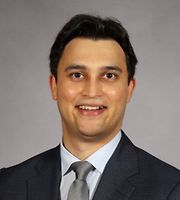
Mr Jason Correia
Neurosurgeon
-

Mr Chien Kow
Neurosurgeon
Ages
Adult / Pakeke, Child / Tamariki, Older adult / Kaumātua, Youth / Rangatahi
How do I access this service?
Referral
Contact us
You will need a referral from a doctor such as a general practitioner, please contact our office for more information
Fees and Charges Categorisation
Fees apply
Fees and Charges Description
We are Southern Cross Affiliated Providers and nib First Choice members
Hours
| Mon – Fri | 9:00 AM – 5:00 PM |
|---|
Procedures / Treatments
Brain tumours may be primary (they arise in the brain or nearby tissue) or metastatic (they have originated in another part of the body and travelled to the brain). Primary tumours may either be benign (they do not spread to other tissues) or malignant (they spread). Surgery may be the only treatment approach for a brain tumour, or it may be used in combination with radiation therapy and/or chemotherapy. Typically, the skull is opened up (craniotomy) giving the surgeon access to the tumour and allowing removal of as much of the tumour as possible without damaging brain tissue. A stereotactic biopsy is another surgical procedure often performed to aid in tumour diagnosis. A small hole is drilled into the skull and a sample of tissue removed for examination under the microscope. Radiation therapy uses high energy x-rays to kill abnormal cells, while chemotherapy uses chemicals (medicines) to destroy cancer cells.
Brain tumours may be primary (they arise in the brain or nearby tissue) or metastatic (they have originated in another part of the body and travelled to the brain). Primary tumours may either be benign (they do not spread to other tissues) or malignant (they spread). Surgery may be the only treatment approach for a brain tumour, or it may be used in combination with radiation therapy and/or chemotherapy. Typically, the skull is opened up (craniotomy) giving the surgeon access to the tumour and allowing removal of as much of the tumour as possible without damaging brain tissue. A stereotactic biopsy is another surgical procedure often performed to aid in tumour diagnosis. A small hole is drilled into the skull and a sample of tissue removed for examination under the microscope. Radiation therapy uses high energy x-rays to kill abnormal cells, while chemotherapy uses chemicals (medicines) to destroy cancer cells.
Brain tumours may be primary (they arise in the brain or nearby tissue) or metastatic (they have originated in another part of the body and travelled to the brain). Primary tumours may either be benign (they do not spread to other tissues) or malignant (they spread).
Surgery may be the only treatment approach for a brain tumour, or it may be used in combination with radiation therapy and/or chemotherapy. Typically, the skull is opened up (craniotomy) giving the surgeon access to the tumour and allowing removal of as much of the tumour as possible without damaging brain tissue.
A stereotactic biopsy is another surgical procedure often performed to aid in tumour diagnosis. A small hole is drilled into the skull and a sample of tissue removed for examination under the microscope.
Radiation therapy uses high energy x-rays to kill abnormal cells, while chemotherapy uses chemicals (medicines) to destroy cancer cells.
Tumours may be found within the spinal cord itself, between the spinal cord and its tough outer covering, the dura, or outside the dura. They may be primary (they arise in the in the spine or nearby tissue) or metastatic (they have originated in another part of the body and traveled to the spine, usually via the bloodstream). Spinal tumours may be treated by any combination of surgery, radiotherapy and chemotherapy. Surgery may be performed to take a small sample of tissue to examine under the microscope (biopsy) or to remove the tumour. Typically, the patient will be lying face downwards and a procedure known as a laminectomy is performed (the bone overlying the spinal cord is removed). This gives the surgeon access to the spinal cord and allows removal of the tumour.
Tumours may be found within the spinal cord itself, between the spinal cord and its tough outer covering, the dura, or outside the dura. They may be primary (they arise in the in the spine or nearby tissue) or metastatic (they have originated in another part of the body and traveled to the spine, usually via the bloodstream). Spinal tumours may be treated by any combination of surgery, radiotherapy and chemotherapy. Surgery may be performed to take a small sample of tissue to examine under the microscope (biopsy) or to remove the tumour. Typically, the patient will be lying face downwards and a procedure known as a laminectomy is performed (the bone overlying the spinal cord is removed). This gives the surgeon access to the spinal cord and allows removal of the tumour.
Tumours may be found within the spinal cord itself, between the spinal cord and its tough outer covering, the dura, or outside the dura. They may be primary (they arise in the in the spine or nearby tissue) or metastatic (they have originated in another part of the body and traveled to the spine, usually via the bloodstream).
Spinal tumours may be treated by any combination of surgery, radiotherapy and chemotherapy. Surgery may be performed to take a small sample of tissue to examine under the microscope (biopsy) or to remove the tumour. Typically, the patient will be lying face downwards and a procedure known as a laminectomy is performed (the bone overlying the spinal cord is removed). This gives the surgeon access to the spinal cord and allows removal of the tumour.
Between the vertebrae in your spine are flat, round discs that act as shock absorbers for the spinal bones. Sometimes some of the gel-like substance in the center of the disc (nucleus) bulges out through the tough outer ring (annulus) and into the spinal canal. This is known as a herniated or ruptured disc and the pressure it puts on the spinal nerves often causes symptoms such as pain, numbness and tingling. Initial treatment for a herniated disc may involve low level activity, nonsteroidal anti-inflammatory medication and physiotherapy. If these approaches fail to reduce or remove the pain, surgical treatment may be considered. Discectomy This surgery is performed to remove part or all of a herniated intervertebral disc. Open discectomy – involves making an incision (cut) over the vertebra and stripping back the muscles to expose the herniated disc. The entire disc, or parts of it are removed, thus relieving pressure on the spinal nerves. Microdiscectomy – this is a ‘minimally invasive’ surgical technique, meaning it requires smaller incisions and no muscle stripping is required. Tiny, specialised instruments are used to remove the disc or disc fragments. Laminectomy or Laminotomy These procedures involve making an incision down the centre of the back and removing some or all of the bony arch (lamina) of a vertebra. In a laminectomy, all or most of the lamina is surgically removed while a laminotomy involves partial removal of the lamina. By making more room in the spinal canal, these procedures reduce pressure on the spinal nerves. They also give the surgeon better access to the disc and other parts of the spine if further procedures e.g. discectomy, spinal fusion, are required. Spinal fusion In this procedure, individual vertebrae are fused together so that no movement can occur between the vertebrae and hence pain is reduced. Spinal fusion may be required for disc herniation in the cervical region of the spine as well as for some cases of vertebral fracture and to prevent pain-inducing movements.
Between the vertebrae in your spine are flat, round discs that act as shock absorbers for the spinal bones. Sometimes some of the gel-like substance in the center of the disc (nucleus) bulges out through the tough outer ring (annulus) and into the spinal canal. This is known as a herniated or ruptured disc and the pressure it puts on the spinal nerves often causes symptoms such as pain, numbness and tingling. Initial treatment for a herniated disc may involve low level activity, nonsteroidal anti-inflammatory medication and physiotherapy. If these approaches fail to reduce or remove the pain, surgical treatment may be considered. Discectomy This surgery is performed to remove part or all of a herniated intervertebral disc. Open discectomy – involves making an incision (cut) over the vertebra and stripping back the muscles to expose the herniated disc. The entire disc, or parts of it are removed, thus relieving pressure on the spinal nerves. Microdiscectomy – this is a ‘minimally invasive’ surgical technique, meaning it requires smaller incisions and no muscle stripping is required. Tiny, specialised instruments are used to remove the disc or disc fragments. Laminectomy or Laminotomy These procedures involve making an incision down the centre of the back and removing some or all of the bony arch (lamina) of a vertebra. In a laminectomy, all or most of the lamina is surgically removed while a laminotomy involves partial removal of the lamina. By making more room in the spinal canal, these procedures reduce pressure on the spinal nerves. They also give the surgeon better access to the disc and other parts of the spine if further procedures e.g. discectomy, spinal fusion, are required. Spinal fusion In this procedure, individual vertebrae are fused together so that no movement can occur between the vertebrae and hence pain is reduced. Spinal fusion may be required for disc herniation in the cervical region of the spine as well as for some cases of vertebral fracture and to prevent pain-inducing movements.
Between the vertebrae in your spine are flat, round discs that act as shock absorbers for the spinal bones. Sometimes some of the gel-like substance in the center of the disc (nucleus) bulges out through the tough outer ring (annulus) and into the spinal canal. This is known as a herniated or ruptured disc and the pressure it puts on the spinal nerves often causes symptoms such as pain, numbness and tingling.
Initial treatment for a herniated disc may involve low level activity, nonsteroidal anti-inflammatory medication and physiotherapy. If these approaches fail to reduce or remove the pain, surgical treatment may be considered.
Discectomy
This surgery is performed to remove part or all of a herniated intervertebral disc.
Open discectomy – involves making an incision (cut) over the vertebra and stripping back the muscles to expose the herniated disc. The entire disc, or parts of it are removed, thus relieving pressure on the spinal nerves.
Microdiscectomy – this is a ‘minimally invasive’ surgical technique, meaning it requires smaller incisions and no muscle stripping is required. Tiny, specialised instruments are used to remove the disc or disc fragments.
Laminectomy or Laminotomy
These procedures involve making an incision down the centre of the back and removing some or all of the bony arch (lamina) of a vertebra.
In a laminectomy, all or most of the lamina is surgically removed while a laminotomy involves partial removal of the lamina.
By making more room in the spinal canal, these procedures reduce pressure on the spinal nerves. They also give the surgeon better access to the disc and other parts of the spine if further procedures e.g. discectomy, spinal fusion, are required.
Spinal fusion
In this procedure, individual vertebrae are fused together so that no movement can occur between the vertebrae and hence pain is reduced. Spinal fusion may be required for disc herniation in the cervical region of the spine as well as for some cases of vertebral fracture and to prevent pain-inducing movements.
A cerebral (cranial) aneurysm is a weakened section in the wall of a blood vessel in the brain that bulges or balloons out. Possible causes of cerebral aneurysm include: a defect in the blood vessels present at birth, brain tumour, head trauma or atherosclerosis (fatty deposits start to block the arteries). A small aneurysm may produce no symptoms but as it grows it might cause vision problems, facial numbness or seizures. A ruptured or burst aneurysm can cause bleeding in and around the brain which may affect mental skills and bodily functions and may, in serious cases, lead to brain damage, stroke, coma or death. Surgical Clipping This is a treatment that can be used for both unruptured and ruptured aneurysms. The skull is opened surgically (craniotomy) and the aneurysm is isolated from the rest of the blood vessel using a small metal clip that seals off each end of the aneurysm. Endovascular Clipping This is a less invasive form of treatment that avoids the need for surgery. A catheter (a small, flexible tube) is inserted into an artery in the groin and gently pushed up to the brain. At the site of the aneurysm, the catheter releases soft wire coils that block the aneurysm from inside the blood vessel. Sometimes a tiny balloon is also released to help hold the coils in place.
A cerebral (cranial) aneurysm is a weakened section in the wall of a blood vessel in the brain that bulges or balloons out. Possible causes of cerebral aneurysm include: a defect in the blood vessels present at birth, brain tumour, head trauma or atherosclerosis (fatty deposits start to block the arteries). A small aneurysm may produce no symptoms but as it grows it might cause vision problems, facial numbness or seizures. A ruptured or burst aneurysm can cause bleeding in and around the brain which may affect mental skills and bodily functions and may, in serious cases, lead to brain damage, stroke, coma or death. Surgical Clipping This is a treatment that can be used for both unruptured and ruptured aneurysms. The skull is opened surgically (craniotomy) and the aneurysm is isolated from the rest of the blood vessel using a small metal clip that seals off each end of the aneurysm. Endovascular Clipping This is a less invasive form of treatment that avoids the need for surgery. A catheter (a small, flexible tube) is inserted into an artery in the groin and gently pushed up to the brain. At the site of the aneurysm, the catheter releases soft wire coils that block the aneurysm from inside the blood vessel. Sometimes a tiny balloon is also released to help hold the coils in place.
A cerebral (cranial) aneurysm is a weakened section in the wall of a blood vessel in the brain that bulges or balloons out.
Possible causes of cerebral aneurysm include: a defect in the blood vessels present at birth, brain tumour, head trauma or atherosclerosis (fatty deposits start to block the arteries).
A small aneurysm may produce no symptoms but as it grows it might cause vision problems, facial numbness or seizures.
A ruptured or burst aneurysm can cause bleeding in and around the brain which may affect mental skills and bodily functions and may, in serious cases, lead to brain damage, stroke, coma or death.
Surgical Clipping
This is a treatment that can be used for both unruptured and ruptured aneurysms. The skull is opened surgically (craniotomy) and the aneurysm is isolated from the rest of the blood vessel using a small metal clip that seals off each end of the aneurysm.
Endovascular Clipping
This is a less invasive form of treatment that avoids the need for surgery. A catheter (a small, flexible tube) is inserted into an artery in the groin and gently pushed up to the brain. At the site of the aneurysm, the catheter releases soft wire coils that block the aneurysm from inside the blood vessel. Sometimes a tiny balloon is also released to help hold the coils in place.
A condition whereby a part of the brain called the cerebellum bulges through the natural opening of the base of the brain where it joins the spinal canal, causing pressure upon the exiting brainstem and disrupting the flow of cerebrospinal fluid (the fluid in which bathes the brain and spinal cord) Can be associated with syringomyelia (cyst within the central part of the spinal cord) Symptoms such as headaches, altered arm/leg sensation, weakness or incoordination of hands and feet can occur Surgery can take the form of removal of a bar of bone behind the bulging cerebellum with reconstruction of the lining of the brian (dura) to allow for restoration of normal flow of cerebrospinal fluid
A condition whereby a part of the brain called the cerebellum bulges through the natural opening of the base of the brain where it joins the spinal canal, causing pressure upon the exiting brainstem and disrupting the flow of cerebrospinal fluid (the fluid in which bathes the brain and spinal cord) Can be associated with syringomyelia (cyst within the central part of the spinal cord) Symptoms such as headaches, altered arm/leg sensation, weakness or incoordination of hands and feet can occur Surgery can take the form of removal of a bar of bone behind the bulging cerebellum with reconstruction of the lining of the brian (dura) to allow for restoration of normal flow of cerebrospinal fluid
Service types: Chiari malformation.
A condition whereby a part of the brain called the cerebellum bulges through the natural opening of the base of the brain where it joins the spinal canal, causing pressure upon the exiting brainstem and disrupting the flow of cerebrospinal fluid (the fluid in which bathes the brain and spinal cord)
Can be associated with syringomyelia (cyst within the central part of the spinal cord)
Symptoms such as headaches, altered arm/leg sensation, weakness or incoordination of hands and feet can occur
Surgery can take the form of removal of a bar of bone behind the bulging cerebellum with reconstruction of the lining of the brian (dura) to allow for restoration of normal flow of cerebrospinal fluid
A severe facial pain not caused by any local conditions of the face or dentition. Intense electrical shocks to the side of the face may be experienced Medications often can help but eventually become less effective over time Type 1 trigeminal neuralgia is caused by a conflict of an artery within the brainstem with the sensory nerve of the face (trigeminal nerve). Surgery involves relocation of the artery away from the nerve (Microvascular decompression) through a craniotomy (window of bone in the skull). This is often the most durable treatment of Type 1 trigeminal neuralgia in carefully selected patients. If open surgery is not an option, a percutaneous (through the skin) insertion of a needle through the corner of the mouth to deliver a balloon, electrode or medications directly on the trigeminal nerve can be performed to provide relief.
A severe facial pain not caused by any local conditions of the face or dentition. Intense electrical shocks to the side of the face may be experienced Medications often can help but eventually become less effective over time Type 1 trigeminal neuralgia is caused by a conflict of an artery within the brainstem with the sensory nerve of the face (trigeminal nerve). Surgery involves relocation of the artery away from the nerve (Microvascular decompression) through a craniotomy (window of bone in the skull). This is often the most durable treatment of Type 1 trigeminal neuralgia in carefully selected patients. If open surgery is not an option, a percutaneous (through the skin) insertion of a needle through the corner of the mouth to deliver a balloon, electrode or medications directly on the trigeminal nerve can be performed to provide relief.
Service types: Trigeminal neuralgia.
A severe facial pain not caused by any local conditions of the face or dentition. Intense electrical shocks to the side of the face may be experienced
Medications often can help but eventually become less effective over time
Type 1 trigeminal neuralgia is caused by a conflict of an artery within the brainstem with the sensory nerve of the face (trigeminal nerve).
Surgery involves relocation of the artery away from the nerve (Microvascular decompression) through a craniotomy (window of bone in the skull). This is often the most durable treatment of Type 1 trigeminal neuralgia in carefully selected patients.
If open surgery is not an option, a percutaneous (through the skin) insertion of a needle through the corner of the mouth to deliver a balloon, electrode or medications directly on the trigeminal nerve can be performed to provide relief.
Typically a slow growing tumour based on the lining of brain or arising from the nerves from the brainstem such as an acoustic neuroma or vestibular schwannoma. Symptoms can be varied but include hearing loss, imbalance, weakness and/or loss of coordination of arms, trunks or legs, swallowing difficulties, facial weakness, numbness, weakness or pain. Surgery requires various considerations to access the natural corridors of the brain via a craniotomy (window of bone in the skull) to preserve function whilst allowing for maximal exposure and removal of tumour.
Typically a slow growing tumour based on the lining of brain or arising from the nerves from the brainstem such as an acoustic neuroma or vestibular schwannoma. Symptoms can be varied but include hearing loss, imbalance, weakness and/or loss of coordination of arms, trunks or legs, swallowing difficulties, facial weakness, numbness, weakness or pain. Surgery requires various considerations to access the natural corridors of the brain via a craniotomy (window of bone in the skull) to preserve function whilst allowing for maximal exposure and removal of tumour.
Service types: Skull base tumours.
Typically a slow growing tumour based on the lining of brain or arising from the nerves from the brainstem such as an acoustic neuroma or vestibular schwannoma.
Symptoms can be varied but include hearing loss, imbalance, weakness and/or loss of coordination of arms, trunks or legs, swallowing difficulties, facial weakness, numbness, weakness or pain.
Surgery requires various considerations to access the natural corridors of the brain via a craniotomy (window of bone in the skull) to preserve function whilst allowing for maximal exposure and removal of tumour.
Carpal Tunnel Syndrome is caused by a pinched nerve in the wrist that causes tingling, numbness and pain in your hand. Surgery to relieve carpal tunnel syndrome involves making an incision (cut) from the middle of the palm of your hand to your wrist. Tissue that is pressing on the nerve is then cut to release the pressure.
Carpal Tunnel Syndrome is caused by a pinched nerve in the wrist that causes tingling, numbness and pain in your hand. Surgery to relieve carpal tunnel syndrome involves making an incision (cut) from the middle of the palm of your hand to your wrist. Tissue that is pressing on the nerve is then cut to release the pressure.
Carpal Tunnel Syndrome is caused by a pinched nerve in the wrist that causes tingling, numbness and pain in your hand.
Surgery to relieve carpal tunnel syndrome involves making an incision (cut) from the middle of the palm of your hand to your wrist. Tissue that is pressing on the nerve is then cut to release the pressure.
A Chiari malformation is caused when the lower part of the brain, called the cerebellum, extends down through an opening in the base of the skull into the spinal canal. This can put pressure on the brain and spinal cord, sometimes blocking the flow of cerebrospinal fluid (the clear liquid that surrounds and cushions the brain and spinal cord). Some people have no symptoms, while others may experience headaches (often worse with coughing or straining), neck pain, dizziness, balance problems, or issues with coordination. It can be present from birth (congenital) or develop later in life, and treatment ranges from monitoring to surgery, depending on severity and symptoms.
A Chiari malformation is caused when the lower part of the brain, called the cerebellum, extends down through an opening in the base of the skull into the spinal canal. This can put pressure on the brain and spinal cord, sometimes blocking the flow of cerebrospinal fluid (the clear liquid that surrounds and cushions the brain and spinal cord). Some people have no symptoms, while others may experience headaches (often worse with coughing or straining), neck pain, dizziness, balance problems, or issues with coordination. It can be present from birth (congenital) or develop later in life, and treatment ranges from monitoring to surgery, depending on severity and symptoms.
A Chiari malformation is caused when the lower part of the brain, called the cerebellum, extends down through an opening in the base of the skull into the spinal canal. This can put pressure on the brain and spinal cord, sometimes blocking the flow of cerebrospinal fluid (the clear liquid that surrounds and cushions the brain and spinal cord).
Some people have no symptoms, while others may experience headaches (often worse with coughing or straining), neck pain, dizziness, balance problems, or issues with coordination.
It can be present from birth (congenital) or develop later in life, and treatment ranges from monitoring to surgery, depending on severity and symptoms.
Discectomy is an operation to remove part or all of a damaged spinal disc that is pressing on nerves, helping to relieve pain and improve movement. Microdiscectomy:a microscope is used by the surgeon to guide tiny instruments to remove the disc or disc fragments.
Discectomy is an operation to remove part or all of a damaged spinal disc that is pressing on nerves, helping to relieve pain and improve movement. Microdiscectomy:a microscope is used by the surgeon to guide tiny instruments to remove the disc or disc fragments.
Discectomy is an operation to remove part or all of a damaged spinal disc that is pressing on nerves, helping to relieve pain and improve movement.
Microdiscectomy:a microscope is used by the surgeon to guide tiny instruments to remove the disc or disc fragments.
Hydrocephalus is a condition where too much fluid builds up inside the brain. This fluid is called cerebrospinal fluid (CSF), and it normally flows around the brain and spinal cord to protect and nourish them. Normally, the CSF produced is absorbed by the blood stream but if the fluid can’t flow properly or isn’t absorbed, it collects inside spaces in the brain called ventricles. This makes the ventricles bigger and puts pressure on the brain. Hydrocephalus may be congenital (present at birth) or can be acquired (develop after birth) due to e.g. head injury, tumours or infection of the brain or spinal cord. Treatment for hydrocephalus is usually surgery; the most common procedure is to put in a small tube called a shunt, which drains the extra fluid to another part of the body where it can be absorbed.
Hydrocephalus is a condition where too much fluid builds up inside the brain. This fluid is called cerebrospinal fluid (CSF), and it normally flows around the brain and spinal cord to protect and nourish them. Normally, the CSF produced is absorbed by the blood stream but if the fluid can’t flow properly or isn’t absorbed, it collects inside spaces in the brain called ventricles. This makes the ventricles bigger and puts pressure on the brain. Hydrocephalus may be congenital (present at birth) or can be acquired (develop after birth) due to e.g. head injury, tumours or infection of the brain or spinal cord. Treatment for hydrocephalus is usually surgery; the most common procedure is to put in a small tube called a shunt, which drains the extra fluid to another part of the body where it can be absorbed.
Hydrocephalus is a condition where too much fluid builds up inside the brain. This fluid is called cerebrospinal fluid (CSF), and it normally flows around the brain and spinal cord to protect and nourish them.
Normally, the CSF produced is absorbed by the blood stream but if the fluid can’t flow properly or isn’t absorbed, it collects inside spaces in the brain called ventricles. This makes the ventricles bigger and puts pressure on the brain.
Hydrocephalus may be congenital (present at birth) or can be acquired (develop after birth) due to e.g. head injury, tumours or infection of the brain or spinal cord.
Treatment for hydrocephalus is usually surgery; the most common procedure is to put in a small tube called a shunt, which drains the extra fluid to another part of the body where it can be absorbed.
These procedures involve making an incision down the centre of the back and removing some or all of the bony arch (lamina) of a vertebra. In a laminectomy, all or most of the lamina is surgically removed while a laminotomy involves partial removal of the lamina. By making more room in the spinal canal, these procedures reduce pressure on the spinal nerves. They also give the surgeon better access to the disc and other parts of the spine if further procedures e.g. discectomy, spinal fusion, are required.
These procedures involve making an incision down the centre of the back and removing some or all of the bony arch (lamina) of a vertebra. In a laminectomy, all or most of the lamina is surgically removed while a laminotomy involves partial removal of the lamina. By making more room in the spinal canal, these procedures reduce pressure on the spinal nerves. They also give the surgeon better access to the disc and other parts of the spine if further procedures e.g. discectomy, spinal fusion, are required.
These procedures involve making an incision down the centre of the back and removing some or all of the bony arch (lamina) of a vertebra.
In a laminectomy, all or most of the lamina is surgically removed while a laminotomy involves partial removal of the lamina.
By making more room in the spinal canal, these procedures reduce pressure on the spinal nerves. They also give the surgeon better access to the disc and other parts of the spine if further procedures e.g. discectomy, spinal fusion, are required.
Peripheral nerve disorders are problems with the nerves outside the brain and spinal cord. These nerves carry signals between the brain and the rest of the body and can receive sensation information such as pain and heat (sensory nerves), control muscle movement (motor nerves) or help to regulate functions that happen automatically such as breathing, sweating, digestion and heartbeat (autonomic nerves). The symptoms experienced when these nerves don’t work properly depend on which type of nerves are affected but may include tingling or numbness, muscle weakness, sharp pain, dizziness, digestion problems or changes in sweating. The most common cause of peripheral nerve disorders is diabetes but other causes may include injury, alcohol, or certain health conditions.
Peripheral nerve disorders are problems with the nerves outside the brain and spinal cord. These nerves carry signals between the brain and the rest of the body and can receive sensation information such as pain and heat (sensory nerves), control muscle movement (motor nerves) or help to regulate functions that happen automatically such as breathing, sweating, digestion and heartbeat (autonomic nerves). The symptoms experienced when these nerves don’t work properly depend on which type of nerves are affected but may include tingling or numbness, muscle weakness, sharp pain, dizziness, digestion problems or changes in sweating. The most common cause of peripheral nerve disorders is diabetes but other causes may include injury, alcohol, or certain health conditions.
Peripheral nerve disorders are problems with the nerves outside the brain and spinal cord.
These nerves carry signals between the brain and the rest of the body and can receive sensation information such as pain and heat (sensory nerves), control muscle movement (motor nerves) or help to regulate functions that happen automatically such as breathing, sweating, digestion and heartbeat (autonomic nerves).
The symptoms experienced when these nerves don’t work properly depend on which type of nerves are affected but may include tingling or numbness, muscle weakness, sharp pain, dizziness, digestion problems or changes in sweating.
The most common cause of peripheral nerve disorders is diabetes but other causes may include injury, alcohol, or certain health conditions.
Skull base tumours grow at the bottom of the skull and can involve cranial nerves, major blood vessels and the brainstem. They can be non-cancerous (they don’t spread), while others can be cancerous. Depending on where the tumour is, it can cause things like headaches, vision or hearing changes, trouble with balance, or weakness/numbness in the face. Surgery is usually the first approach to treatment and because it can be complex may involve other specialists such as ENT or oral & maxillofacial surgeons. Radiotherapy may also be used as a treatment, either with or without surgery.
Skull base tumours grow at the bottom of the skull and can involve cranial nerves, major blood vessels and the brainstem. They can be non-cancerous (they don’t spread), while others can be cancerous. Depending on where the tumour is, it can cause things like headaches, vision or hearing changes, trouble with balance, or weakness/numbness in the face. Surgery is usually the first approach to treatment and because it can be complex may involve other specialists such as ENT or oral & maxillofacial surgeons. Radiotherapy may also be used as a treatment, either with or without surgery.
Skull base tumours grow at the bottom of the skull and can involve cranial nerves, major blood vessels and the brainstem. They can be non-cancerous (they don’t spread), while others can be cancerous.
Depending on where the tumour is, it can cause things like headaches, vision or hearing changes, trouble with balance, or weakness/numbness in the face.
Surgery is usually the first approach to treatment and because it can be complex may involve other specialists such as ENT or oral & maxillofacial surgeons. Radiotherapy may also be used as a treatment, either with or without surgery.
An incision (cut) is made over the relevant part of the spine. Two or more vertebrae (the small bones that make up the spinal column) are fused together with bone grafts and/or metal rods to form a single bone.
An incision (cut) is made over the relevant part of the spine. Two or more vertebrae (the small bones that make up the spinal column) are fused together with bone grafts and/or metal rods to form a single bone.
An incision (cut) is made over the relevant part of the spine. Two or more vertebrae (the small bones that make up the spinal column) are fused together with bone grafts and/or metal rods to form a single bone.
A subdural haematoma is a collection of blood that forms beneath the outer protective covering of the brain, the dura mater. It is usually caused by tiny blood vessels becoming torn as the result of serious head trauma such as a fall, blow to the head or car accident. Symptoms include: Nausea and vomiting Weakness Confusion Seizures Vision problems Speech problems Headache With an acute haematoma, symptoms appear within 24 hours of the trauma while in the case of subacute or chronic haematomas symptoms take longer to appear. If a haematoma is left to grow, it puts pressure on the brain which may lead to brain damage and possibly death. Surgical treatment involves drilling a small hole in the skull, allowing the haematoma to drain and thus relieving the pressure on the brain. In the case of a larger haematoma, a hole may be cut in the skull (craniotomy) allowing the surgeon access to the brain to repair damaged vessels and remove the blood clot.
A subdural haematoma is a collection of blood that forms beneath the outer protective covering of the brain, the dura mater. It is usually caused by tiny blood vessels becoming torn as the result of serious head trauma such as a fall, blow to the head or car accident. Symptoms include: Nausea and vomiting Weakness Confusion Seizures Vision problems Speech problems Headache With an acute haematoma, symptoms appear within 24 hours of the trauma while in the case of subacute or chronic haematomas symptoms take longer to appear. If a haematoma is left to grow, it puts pressure on the brain which may lead to brain damage and possibly death. Surgical treatment involves drilling a small hole in the skull, allowing the haematoma to drain and thus relieving the pressure on the brain. In the case of a larger haematoma, a hole may be cut in the skull (craniotomy) allowing the surgeon access to the brain to repair damaged vessels and remove the blood clot.
A subdural haematoma is a collection of blood that forms beneath the outer protective covering of the brain, the dura mater. It is usually caused by tiny blood vessels becoming torn as the result of serious head trauma such as a fall, blow to the head or car accident.
Symptoms include:
- Nausea and vomiting
- Weakness
- Confusion
- Seizures
- Vision problems
- Speech problems
- Headache
With an acute haematoma, symptoms appear within 24 hours of the trauma while in the case of subacute or chronic haematomas symptoms take longer to appear.
If a haematoma is left to grow, it puts pressure on the brain which may lead to brain damage and possibly death.
Surgical treatment involves drilling a small hole in the skull, allowing the haematoma to drain and thus relieving the pressure on the brain. In the case of a larger haematoma, a hole may be cut in the skull (craniotomy) allowing the surgeon access to the brain to repair damaged vessels and remove the blood clot.
Trigeminal neuralgia is a condition that causes sudden, severe pain in the cheek, jaw, or around the eye. Read more about Trigeminal Neuralgia on the Healthify website.
Trigeminal neuralgia is a condition that causes sudden, severe pain in the cheek, jaw, or around the eye. Read more about Trigeminal Neuralgia on the Healthify website.
Trigeminal neuralgia is a condition that causes sudden, severe pain in the cheek, jaw, or around the eye. Read more about Trigeminal Neuralgia on the Healthify website.
Disability Assistance
Mobility parking space, Wheelchair access, Wheelchair accessible toilet
Parking
Free, off-street parking available.
Pharmacy
Find your nearest pharmacy here
Website

Contact Details
99 Remuera Road, Remuera, Auckland
Central Auckland
-
Phone
021 62 0216
-
Mobile
021620216
Healthlink EDI
angspine
Email
Website
ARG Building, 101 Remuera Road
Remuera
Auckland 1023
Street Address
ARG Building, 101 Remuera Road
Remuera
Auckland 1023
Was this page helpful?
This page was last updated at 12:43PM on September 8, 2025. This information is reviewed and edited by Auckland Neurosurgery Group.