
Wellington > Private Hospitals & Specialists >
Southern Cross Wellington Surgical Centre - Orthopaedic Surgery
Private Surgical Service, Orthopaedics
Today
7:00 AM to 5:30 PM.
Description
We are located adjacent to Southern Cross Wellington Hospital. Our purpose-built centre is located on the top floor, and includes two operating theatres, a five-bed Post Anaesthetic Care Unit and a five-chair day stay lounge. With co-located Specialist Consulting Rooms and Affinity Medical Imaging, our facility is designed to enhance the patient experience and provide seemless, efficient care.
What is Orthopaedics?
Staff
Southern Cross Wellington Surgical Centre employs a number of Registered Nurses, Healthcare Assistants, Anaesthetic Technicians, Administration staff and support services staff.
Surgeons and Anaesthetists who perform surgery and anaesthesia at Southern Cross Wellington Surgical Centre are not employees of the hospital, however they are all credentialled by Southern Cross Healthcare.
Consultants
-
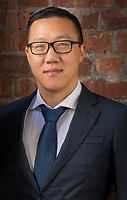
Mr Justin Chou
Orthopaedic Surgeon
-
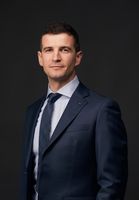
Mr Giles Foley
Orthopaedic Surgeon
-

Mr Chris Hoffman
Orthopaedic Surgeon
-
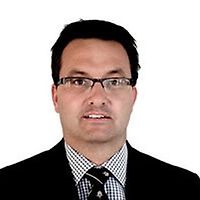
Mr Ryan Johnstone
Orthopaedic Surgeon
-
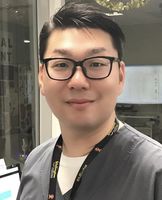
Mr Woo-Sung Kim
Orthopaedic Surgeon
-
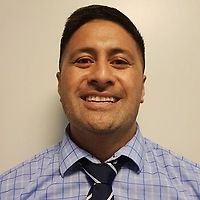
Dr Sotiata Leilua
Orthopaedic Surgeon
-
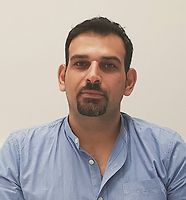
Dr Shay Mandler
Orthopaedic Surgeon
-
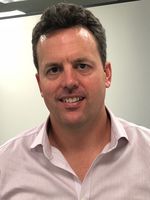
Dr Andrew Matthews
Orthopaedic Surgeon
-
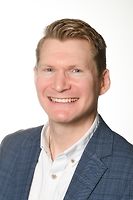
Mr John Mortimer
Orthopaedic Surgeon
-
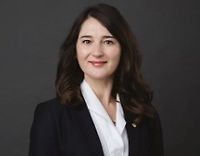
Dr Rachel Price
Orthopaedic Surgeon
-
Mr Jonathon Richards
Orthopaedic Surgeon
-
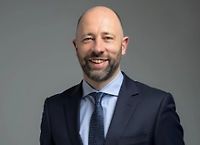
Mr Gareth Rooke
Orthopaedic Surgeon
-

Dr Robert Rowan
Orthopaedic Surgeon
-

Dr Saesol Stallard
Orthopaedic Surgeon
-
Mr Nigel Willis
Orthopaedic Surgeon
Ages
Child / Tamariki, Youth / Rangatahi, Adult / Pakeke, Older adult / Kaumātua
How do I access this service?
Referral
Referral for surgery is via your surgeon, for procedures that may be conducted as day surgery.
Fees and Charges Description
Surgeries may either be covered by ACC, by health insurance or paid by the patient. Please contact Southern Cross Wellington Surgical Centre if you have any questions relating to payment arrangements
Hours
7:00 AM to 5:30 PM.
| Mon – Fri | 7:00 AM – 5:30 PM |
|---|
Southern Cross Wellington Surgical Centre is opening for patients on 6th October 2025.
Public Holidays: Closed Waitangi Day (6 Feb), Good Friday (3 Apr), Easter Sunday (5 Apr), Easter Monday (6 Apr), ANZAC Day (observed) (27 Apr), King's Birthday (1 Jun), Matariki (10 Jul), Labour Day (26 Oct), Wellington Anniversary (25 Jan).
Services Provided
Shoulder surgery is an operation that helps fix problems in your shoulder, like torn muscles or tendons or wear and tear from arthritis. Surgery might be: Arthroscopic: less invasive surgery. The surgeon makes small cuts and uses a tiny camera to see inside the shoulder. They can then fix or take out the damaged parts. Open: for more complicated problems, the surgeon makes a larger cut to get a better look and fix the damaged parts directly. Joint Replacement: when the shoulder is badly damaged, the surgeon might remove the damaged areas and replace them with parts made of special materials.
Shoulder surgery is an operation that helps fix problems in your shoulder, like torn muscles or tendons or wear and tear from arthritis. Surgery might be: Arthroscopic: less invasive surgery. The surgeon makes small cuts and uses a tiny camera to see inside the shoulder. They can then fix or take out the damaged parts. Open: for more complicated problems, the surgeon makes a larger cut to get a better look and fix the damaged parts directly. Joint Replacement: when the shoulder is badly damaged, the surgeon might remove the damaged areas and replace them with parts made of special materials.
Shoulder surgery is an operation that helps fix problems in your shoulder, like torn muscles or tendons or wear and tear from arthritis. Surgery might be:
- Arthroscopic: less invasive surgery. The surgeon makes small cuts and uses a tiny camera to see inside the shoulder. They can then fix or take out the damaged parts.
- Open: for more complicated problems, the surgeon makes a larger cut to get a better look and fix the damaged parts directly.
- Joint Replacement: when the shoulder is badly damaged, the surgeon might remove the damaged areas and replace them with parts made of special materials.
This surgery involves making several small incisions (cuts) on the shoulder through which is inserted a small telescopic instrument with a tiny camera attached (arthroscope). This allows the surgeon to look inside the shoulder, identify problems and, in some cases, make repairs to damaged tissue.
This surgery involves making several small incisions (cuts) on the shoulder through which is inserted a small telescopic instrument with a tiny camera attached (arthroscope). This allows the surgeon to look inside the shoulder, identify problems and, in some cases, make repairs to damaged tissue.
This surgery involves making several small incisions (cuts) on the shoulder through which is inserted a small telescopic instrument with a tiny camera attached (arthroscope). This allows the surgeon to look inside the shoulder, identify problems and, in some cases, make repairs to damaged tissue.
Several small incisions (cuts) are made in the shoulder through which is inserted a small telescopic instrument with a tiny camera attached (arthroscope). The surgeon is then able to remove any bony spurs or inflamed tissue and mend torn tendons of the rotator cuff group.
Several small incisions (cuts) are made in the shoulder through which is inserted a small telescopic instrument with a tiny camera attached (arthroscope). The surgeon is then able to remove any bony spurs or inflamed tissue and mend torn tendons of the rotator cuff group.
Several small incisions (cuts) are made in the shoulder through which is inserted a small telescopic instrument with a tiny camera attached (arthroscope). The surgeon is then able to remove any bony spurs or inflamed tissue and mend torn tendons of the rotator cuff group.
A large number of orthopaedic procedures on joints are performed using an arthroscope, where a fibre optic telescope is used to look inside the joint. Through this type of keyhole surgery, fine instruments can be introduced through small incisions (portals) to allow surgery to be performed without the need for large cuts. This allows many procedures to be performed as a day stay and allows quicker return to normal function of the joint. Arthroscopic surgery is less painful than open surgery and decreases the risk of healing problems. Arthroscopy allows access to parts of the joints which can not be accessed by other types of surgery.
A large number of orthopaedic procedures on joints are performed using an arthroscope, where a fibre optic telescope is used to look inside the joint. Through this type of keyhole surgery, fine instruments can be introduced through small incisions (portals) to allow surgery to be performed without the need for large cuts. This allows many procedures to be performed as a day stay and allows quicker return to normal function of the joint. Arthroscopic surgery is less painful than open surgery and decreases the risk of healing problems. Arthroscopy allows access to parts of the joints which can not be accessed by other types of surgery.
A large number of orthopaedic procedures on joints are performed using an arthroscope, where a fibre optic telescope is used to look inside the joint. Through this type of keyhole surgery, fine instruments can be introduced through small incisions (portals) to allow surgery to be performed without the need for large cuts. This allows many procedures to be performed as a day stay and allows quicker return to normal function of the joint.
Arthroscopic surgery is less painful than open surgery and decreases the risk of healing problems. Arthroscopy allows access to parts of the joints which can not be accessed by other types of surgery.
Elbow surgery is an operation that helps fix problems in the elbow, like injuries or wear and tear from arthritis. Surgery might be: Arthroscopic: less invasive surgery. The surgeon makes small cuts and uses a tiny camera to see inside the elbow. They can then fix or take out the damaged parts. Open: for more complicated problems, the surgeon makes a larger cut to get a better look and fix the damaged parts directly. Joint Replacement: when the elbow joint is badly damaged, the surgeon might remove the damaged areas and replace them with parts made of special materials.
Elbow surgery is an operation that helps fix problems in the elbow, like injuries or wear and tear from arthritis. Surgery might be: Arthroscopic: less invasive surgery. The surgeon makes small cuts and uses a tiny camera to see inside the elbow. They can then fix or take out the damaged parts. Open: for more complicated problems, the surgeon makes a larger cut to get a better look and fix the damaged parts directly. Joint Replacement: when the elbow joint is badly damaged, the surgeon might remove the damaged areas and replace them with parts made of special materials.
Elbow surgery is an operation that helps fix problems in the elbow, like injuries or wear and tear from arthritis. Surgery might be:
- Arthroscopic: less invasive surgery. The surgeon makes small cuts and uses a tiny camera to see inside the elbow. They can then fix or take out the damaged parts.
- Open: for more complicated problems, the surgeon makes a larger cut to get a better look and fix the damaged parts directly.
- Joint Replacement: when the elbow joint is badly damaged, the surgeon might remove the damaged areas and replace them with parts made of special materials.
Hand and wrist surgeries are operations that help fix problems in your hands and wrists, like broken bones, arthritis, or injuries to the tendons, ligaments, or nerves. Surgery might be: Arthroscopic: less invasive surgery. The surgeon makes small cuts and uses a tiny camera to see inside. They can then fix or take out the damaged parts. Open: for more complicated problems, the surgeon makes a larger cut to get a better look and fix the damaged parts directly.
Hand and wrist surgeries are operations that help fix problems in your hands and wrists, like broken bones, arthritis, or injuries to the tendons, ligaments, or nerves. Surgery might be: Arthroscopic: less invasive surgery. The surgeon makes small cuts and uses a tiny camera to see inside. They can then fix or take out the damaged parts. Open: for more complicated problems, the surgeon makes a larger cut to get a better look and fix the damaged parts directly.
Hand and wrist surgeries are operations that help fix problems in your hands and wrists, like broken bones, arthritis, or injuries to the tendons, ligaments, or nerves. Surgery might be:
- Arthroscopic: less invasive surgery. The surgeon makes small cuts and uses a tiny camera to see inside. They can then fix or take out the damaged parts.
- Open: for more complicated problems, the surgeon makes a larger cut to get a better look and fix the damaged parts directly.
Carpal Tunnel Syndrome is caused by a pinched nerve in the wrist that causes tingling, numbness and pain in your hand. Surgery to relieve carpal tunnel syndrome involves making an incision (cut) from the middle of the palm of your hand to your wrist. Tissue that is pressing on the nerve is then cut to release the pressure.
Carpal Tunnel Syndrome is caused by a pinched nerve in the wrist that causes tingling, numbness and pain in your hand. Surgery to relieve carpal tunnel syndrome involves making an incision (cut) from the middle of the palm of your hand to your wrist. Tissue that is pressing on the nerve is then cut to release the pressure.
Carpal Tunnel Syndrome is caused by a pinched nerve in the wrist that causes tingling, numbness and pain in your hand.
Surgery to relieve carpal tunnel syndrome involves making an incision (cut) from the middle of the palm of your hand to your wrist. Tissue that is pressing on the nerve is then cut to release the pressure.
This condition occurs when there is abnormal thickening of the deep tissue between the palm of your hand and your fingers. This thickening occurs very gradually and will start to make your fingers curl toward your palm. If this condition gets to the stage where it significantly limits your hand function, surgery may be recommended. This usually involves removal of the thickened tissue, allowing you to straighten your fingers again.
This condition occurs when there is abnormal thickening of the deep tissue between the palm of your hand and your fingers. This thickening occurs very gradually and will start to make your fingers curl toward your palm. If this condition gets to the stage where it significantly limits your hand function, surgery may be recommended. This usually involves removal of the thickened tissue, allowing you to straighten your fingers again.
This condition occurs when there is abnormal thickening of the deep tissue between the palm of your hand and your fingers. This thickening occurs very gradually and will start to make your fingers curl toward your palm.
If this condition gets to the stage where it significantly limits your hand function, surgery may be recommended. This usually involves removal of the thickened tissue, allowing you to straighten your fingers again.
Discectomy is an operation to remove part or all of a damaged spinal disc that is pressing on nerves, helping to relieve pain and improve movement. Microdiscectomy:a microscope is used by the surgeon to guide tiny instruments to remove the disc or disc fragments.
Discectomy is an operation to remove part or all of a damaged spinal disc that is pressing on nerves, helping to relieve pain and improve movement. Microdiscectomy:a microscope is used by the surgeon to guide tiny instruments to remove the disc or disc fragments.
Discectomy is an operation to remove part or all of a damaged spinal disc that is pressing on nerves, helping to relieve pain and improve movement.
Microdiscectomy:a microscope is used by the surgeon to guide tiny instruments to remove the disc or disc fragments.
Knee surgery is an operation that helps fix problems in your knee, like an injury, arthritis, a torn ligament, or damaged cartilage. Surgery might be: Arthroscopic: less invasive surgery. The surgeon makes small cuts and uses a tiny camera to see inside the knee. They can then fix or take out the damaged parts. Open: for more complicated problems, the surgeon makes a larger cut to get a better look and fix the damaged parts directly. Joint Replacement: when the knee is badly damaged, the surgeon might remove the damaged areas and replace them with parts made of special materials.
Knee surgery is an operation that helps fix problems in your knee, like an injury, arthritis, a torn ligament, or damaged cartilage. Surgery might be: Arthroscopic: less invasive surgery. The surgeon makes small cuts and uses a tiny camera to see inside the knee. They can then fix or take out the damaged parts. Open: for more complicated problems, the surgeon makes a larger cut to get a better look and fix the damaged parts directly. Joint Replacement: when the knee is badly damaged, the surgeon might remove the damaged areas and replace them with parts made of special materials.
Knee surgery is an operation that helps fix problems in your knee, like an injury, arthritis, a torn ligament, or damaged cartilage. Surgery might be:
- Arthroscopic: less invasive surgery. The surgeon makes small cuts and uses a tiny camera to see inside the knee. They can then fix or take out the damaged parts.
- Open: for more complicated problems, the surgeon makes a larger cut to get a better look and fix the damaged parts directly.
- Joint Replacement: when the knee is badly damaged, the surgeon might remove the damaged areas and replace them with parts made of special materials.
Several small incisions (cuts) are made on the knee through which is inserted a small telescopic instrument with a tiny camera attached (arthroscope). This allows the surgeon to look inside the joint, identify problems and, in some cases, make repairs to damaged tissue.
Several small incisions (cuts) are made on the knee through which is inserted a small telescopic instrument with a tiny camera attached (arthroscope). This allows the surgeon to look inside the joint, identify problems and, in some cases, make repairs to damaged tissue.
Several small incisions (cuts) are made on the knee through which is inserted a small telescopic instrument with a tiny camera attached (arthroscope). This allows the surgeon to look inside the joint, identify problems and, in some cases, make repairs to damaged tissue.
The menisci are two circular strips of cartilage that form a cushioning layer between the ends of the femur (thigh bone) and tibia (shin bone) in the knee joint. Together the medial and lateral menisci, on the inside and outside of the knee, respectively, act as shock absorbers and distribute the weight of the body across the knee joint. The menisci can become torn through injury or damaged from age-related wear and tear and may require surgery. The most common meniscal surgery is partial meniscectomy in which the torn portion of the meniscus is cut away so that the cartilage surface is smooth again. In some cases meniscal repair is carried out, in this case the torn edges of the meniscus are sutured together. Both procedures are performed arthroscopically. For more information please click on the following link for meniscal tears and for meniscal transplant surgery.
The menisci are two circular strips of cartilage that form a cushioning layer between the ends of the femur (thigh bone) and tibia (shin bone) in the knee joint. Together the medial and lateral menisci, on the inside and outside of the knee, respectively, act as shock absorbers and distribute the weight of the body across the knee joint. The menisci can become torn through injury or damaged from age-related wear and tear and may require surgery. The most common meniscal surgery is partial meniscectomy in which the torn portion of the meniscus is cut away so that the cartilage surface is smooth again. In some cases meniscal repair is carried out, in this case the torn edges of the meniscus are sutured together. Both procedures are performed arthroscopically. For more information please click on the following link for meniscal tears and for meniscal transplant surgery.
The menisci are two circular strips of cartilage that form a cushioning layer between the ends of the femur (thigh bone) and tibia (shin bone) in the knee joint. Together the medial and lateral menisci, on the inside and outside of the knee, respectively, act as shock absorbers and distribute the weight of the body across the knee joint.
The menisci can become torn through injury or damaged from age-related wear and tear and may require surgery.
The most common meniscal surgery is partial meniscectomy in which the torn portion of the meniscus is cut away so that the cartilage surface is smooth again.
In some cases meniscal repair is carried out, in this case the torn edges of the meniscus are sutured together.
Both procedures are performed arthroscopically.
For more information please click on the following link for meniscal tears and for meniscal transplant surgery.
The anterior cruciate ligament (ACL) is a strong, stabilising ligament running through the centre of the knee between the femur (thigh bone) and tibia (shin bone). When the ACL is torn, frequently as the result of a sporting injury, arthroscopic surgery known as ACL Reconstruction is performed. The procedure involves replacement of the damaged ligament with tissue grafted from elsewhere, usually the patellar or hamstring tendon. The ends of the grafted tendon are attached to the femur at one end and the tibia at the other using screws or staples. For more information about ACL reconstruction please click here.
The anterior cruciate ligament (ACL) is a strong, stabilising ligament running through the centre of the knee between the femur (thigh bone) and tibia (shin bone). When the ACL is torn, frequently as the result of a sporting injury, arthroscopic surgery known as ACL Reconstruction is performed. The procedure involves replacement of the damaged ligament with tissue grafted from elsewhere, usually the patellar or hamstring tendon. The ends of the grafted tendon are attached to the femur at one end and the tibia at the other using screws or staples. For more information about ACL reconstruction please click here.
The anterior cruciate ligament (ACL) is a strong, stabilising ligament running through the centre of the knee between the femur (thigh bone) and tibia (shin bone).
When the ACL is torn, frequently as the result of a sporting injury, arthroscopic surgery known as ACL Reconstruction is performed. The procedure involves replacement of the damaged ligament with tissue grafted from elsewhere, usually the patellar or hamstring tendon. The ends of the grafted tendon are attached to the femur at one end and the tibia at the other using screws or staples.
For more information about ACL reconstruction please click here.
Osteotomy is the division of a crooked or bent bone to improve alignment of the limb. These procedures normally involve some form of internal fixation, such as rods or plates, or external fixation which involves external wires and pins to hold the bone. The type of procedure for fixation will be explained when the surgery is planned.
Osteotomy is the division of a crooked or bent bone to improve alignment of the limb. These procedures normally involve some form of internal fixation, such as rods or plates, or external fixation which involves external wires and pins to hold the bone. The type of procedure for fixation will be explained when the surgery is planned.
Osteotomy is the division of a crooked or bent bone to improve alignment of the limb.
These procedures normally involve some form of internal fixation, such as rods or plates, or external fixation which involves external wires and pins to hold the bone. The type of procedure for fixation will be explained when the surgery is planned.
Foot and ankle surgeries are operations that help fix problems in your feet and ankles, like broken bones, arthritis, or injuries to the ligaments and tendons. Surgery might be: Arthroscopic: less invasive surgery. The surgeon makes small cuts and uses a tiny camera to see inside. They can then fix or take out the damaged parts. Open: for more complicated problems, the surgeon makes a larger cut to get a better look and fix the damaged parts directly. Joint Replacement (ankle): when the ankle is badly damaged, the surgeon might remove the damaged areas and replace them with parts made of special materials.
Foot and ankle surgeries are operations that help fix problems in your feet and ankles, like broken bones, arthritis, or injuries to the ligaments and tendons. Surgery might be: Arthroscopic: less invasive surgery. The surgeon makes small cuts and uses a tiny camera to see inside. They can then fix or take out the damaged parts. Open: for more complicated problems, the surgeon makes a larger cut to get a better look and fix the damaged parts directly. Joint Replacement (ankle): when the ankle is badly damaged, the surgeon might remove the damaged areas and replace them with parts made of special materials.
Foot and ankle surgeries are operations that help fix problems in your feet and ankles, like broken bones, arthritis, or injuries to the ligaments and tendons. Surgery might be:
- Arthroscopic: less invasive surgery. The surgeon makes small cuts and uses a tiny camera to see inside. They can then fix or take out the damaged parts.
- Open: for more complicated problems, the surgeon makes a larger cut to get a better look and fix the damaged parts directly.
- Joint Replacement (ankle): when the ankle is badly damaged, the surgeon might remove the damaged areas and replace them with parts made of special materials.
Two or three small incisions (cuts) are made in the ankle and a small telescopic instrument with a tiny camera attached (arthroscope) is inserted. This allows the surgeon to look inside the joint, identify problems and, in some cases, operate. Tiny instruments can be passed through the arthroscope to remove bony spurs, damaged cartilage or inflamed tissue.
Two or three small incisions (cuts) are made in the ankle and a small telescopic instrument with a tiny camera attached (arthroscope) is inserted. This allows the surgeon to look inside the joint, identify problems and, in some cases, operate. Tiny instruments can be passed through the arthroscope to remove bony spurs, damaged cartilage or inflamed tissue.
Two or three small incisions (cuts) are made in the ankle and a small telescopic instrument with a tiny camera attached (arthroscope) is inserted. This allows the surgeon to look inside the joint, identify problems and, in some cases, operate. Tiny instruments can be passed through the arthroscope to remove bony spurs, damaged cartilage or inflamed tissue.
A bunion is a lump of bone and soft tissue that forms where the big toe joins the foot. Typically caused by ill-fitting shoes, bunions may require surgery to relieve pain and allow a return to normal activities. Click here for more information.
A bunion is a lump of bone and soft tissue that forms where the big toe joins the foot. Typically caused by ill-fitting shoes, bunions may require surgery to relieve pain and allow a return to normal activities. Click here for more information.
A bunion is a lump of bone and soft tissue that forms where the big toe joins the foot. Typically caused by ill-fitting shoes, bunions may require surgery to relieve pain and allow a return to normal activities.
Click here for more information.
An incision (cut) is made over the damaged tendon. The damaged ends of the tendon are sewn together and, if necessary, reattached to surrounding tissue.
An incision (cut) is made over the damaged tendon. The damaged ends of the tendon are sewn together and, if necessary, reattached to surrounding tissue.
An incision (cut) is made over the damaged tendon. The damaged ends of the tendon are sewn together and, if necessary, reattached to surrounding tissue.
In many cases tendons will be lengthened to improve the muscle balance around a joint or tendons will be transferred to give overall better joint function. This occurs in children with neuromuscular conditions but also applies to a number of other conditions. Most of these procedures involve some sort of splintage after the surgery followed by a period of rehabilitation, normally supervised by a physiotherapist.
In many cases tendons will be lengthened to improve the muscle balance around a joint or tendons will be transferred to give overall better joint function. This occurs in children with neuromuscular conditions but also applies to a number of other conditions. Most of these procedures involve some sort of splintage after the surgery followed by a period of rehabilitation, normally supervised by a physiotherapist.
In many cases tendons will be lengthened to improve the muscle balance around a joint or tendons will be transferred to give overall better joint function. This occurs in children with neuromuscular conditions but also applies to a number of other conditions.
Most of these procedures involve some sort of splintage after the surgery followed by a period of rehabilitation, normally supervised by a physiotherapist.
Otherwise known as degenerative arthritis. OA occurs when there is a breakdown of the cartilage, leaving the bones unprotected. It is very common and usually affects people as they get older. You can get it at any age and are more likely to if you have previously injured a joint, or are overweight. The symptoms can be very mild with just occasional pain with activity. Worsening symptoms include pain with activity and stiffness with rest. Joints can become swollen and restricted in movement. Joints can change shape as the bone changes in response to loss of protection. You otherwise feel well. The diagnosis is made on the basis of the history, examination findings and sometimes x-rays. The severity of joint damage seen on x-ray does not always correlate with the degree of pain you experience. Treatment includes guided exercises, weight reduction if needed, pain relief and sometimes surgery. For more information see www.arthritis.org.nz
Otherwise known as degenerative arthritis. OA occurs when there is a breakdown of the cartilage, leaving the bones unprotected. It is very common and usually affects people as they get older. You can get it at any age and are more likely to if you have previously injured a joint, or are overweight. The symptoms can be very mild with just occasional pain with activity. Worsening symptoms include pain with activity and stiffness with rest. Joints can become swollen and restricted in movement. Joints can change shape as the bone changes in response to loss of protection. You otherwise feel well. The diagnosis is made on the basis of the history, examination findings and sometimes x-rays. The severity of joint damage seen on x-ray does not always correlate with the degree of pain you experience. Treatment includes guided exercises, weight reduction if needed, pain relief and sometimes surgery. For more information see www.arthritis.org.nz
Otherwise known as degenerative arthritis. OA occurs when there is a breakdown of the cartilage, leaving the bones unprotected. It is very common and usually affects people as they get older.
You can get it at any age and are more likely to if you have previously injured a joint, or are overweight.
The symptoms can be very mild with just occasional pain with activity. Worsening symptoms include pain with activity and stiffness with rest. Joints can become swollen and restricted in movement. Joints can change shape as the bone changes in response to loss of protection. You otherwise feel well.
The diagnosis is made on the basis of the history, examination findings and sometimes x-rays. The severity of joint damage seen on x-ray does not always correlate with the degree of pain you experience.
Treatment includes guided exercises, weight reduction if needed, pain relief and sometimes surgery. For more information see www.arthritis.org.nz
Orthopaedic surgeons have expertise in the treatment of fractured (broken) bones, particularly in the assessment of damage that may have occurred around the fracture. Follow-up of a fracture may involve monitoring the progress of the healing bone, checking the position of the bone in a cast and deciding when other steps in management such as re-manipulation of the fracture or removal of a cast is required. Click here for more information about fractures.
Orthopaedic surgeons have expertise in the treatment of fractured (broken) bones, particularly in the assessment of damage that may have occurred around the fracture. Follow-up of a fracture may involve monitoring the progress of the healing bone, checking the position of the bone in a cast and deciding when other steps in management such as re-manipulation of the fracture or removal of a cast is required. Click here for more information about fractures.
Orthopaedic surgeons have expertise in the treatment of fractured (broken) bones, particularly in the assessment of damage that may have occurred around the fracture.
Follow-up of a fracture may involve monitoring the progress of the healing bone, checking the position of the bone in a cast and deciding when other steps in management such as re-manipulation of the fracture or removal of a cast is required.
Click here for more information about fractures.
These are growths or masses that develop in bone or soft tissue such as muscles or nerves. They may be benign (noncancerous) or malignant (cancerous and spreading to surrounding tissue and to other parts of the body). Treatment of musculoskeletal tumours ranges from just monitoring for benign tumours to various combinations of radiotherapy, chemotherapy and surgery for malignant tumours.
These are growths or masses that develop in bone or soft tissue such as muscles or nerves. They may be benign (noncancerous) or malignant (cancerous and spreading to surrounding tissue and to other parts of the body). Treatment of musculoskeletal tumours ranges from just monitoring for benign tumours to various combinations of radiotherapy, chemotherapy and surgery for malignant tumours.
These are growths or masses that develop in bone or soft tissue such as muscles or nerves. They may be benign (noncancerous) or malignant (cancerous and spreading to surrounding tissue and to other parts of the body).
Treatment of musculoskeletal tumours ranges from just monitoring for benign tumours to various combinations of radiotherapy, chemotherapy and surgery for malignant tumours.
Visiting Hours
Patients may have a support person during the admission process, and also in the day stay area prior to discharge. Please discuss your individual requirements with the staff prior to your day of surgery.
Refreshments
Patients are provided with light refreshments prior to discharge. Please advise the hospital of any special dietary requirements prior to the day of surgery.
Public Transport
The metlink website is a good resource to plan your public transport options.
Parking
There are allocated Southern Cross Wellington Surgical Centre patient parking spaces on Ground Level. Our patients are asked to access these via Entrance D on the North side of the building, at 88 Hanson Street. Take the lift from Ground up to Level 2.
Accommodation
Southern Cross Wellington Surgical Centre is a day stay facility, there are no overnight stay beds at this hospital.
Pharmacy
Find your nearest pharmacy here

Contact Details
Southern Cross Wellington Surgical Centre
Wellington
7:00 AM to 5:30 PM.
-
Phone
(04) 831 0920
Email
Website
Level 2, 88 Hanson Street
Newtown
Wellington
Wellington 6021
Street Address
Level 2, 88 Hanson Street
Newtown
Wellington
Wellington 6021
Postal Address
Southern Cross Wellington Surgical Centre
PO Box 7499
Newtown
Wellington 6242
Was this page helpful?
This page was last updated at 8:38AM on October 3, 2025. This information is reviewed and edited by Southern Cross Wellington Surgical Centre - Orthopaedic Surgery.