
Hutt, Wellington > Private Hospitals & Specialists >
Boulcott Hospital - Plastic and Reconstructive Surgery
Private Surgical Service, Plastic Surgery
Description
Boulcott Hospital is a 29-bed surgical hospital in Lower Hutt offering state-of-the-art facilities, leading surgeons, a comprehensive range of services and quality care.
We offer a range of plastics and reconstructive surgeries, including cosmetic surgeries to enhance your appearance and renew your confidence.
Consultants
-
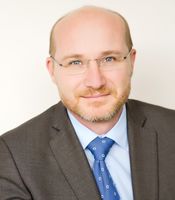
Mr Chris Adams
Plastic & Reconstructive Surgeon
-
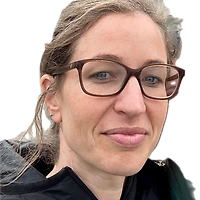
Dr Charlotte Blau
Plastic & Reconstructive Surgeon
-
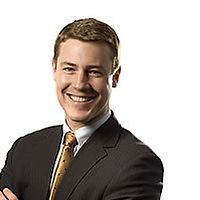
Mr Charles Davis
Plastic & Reconstructive Surgeon
-
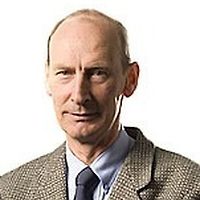
Mr Gary Duncan
Plastic & Reconstructive Surgeon
-

Dr Agneta Fullarton
Plastic & Reconstructive Surgeon
-
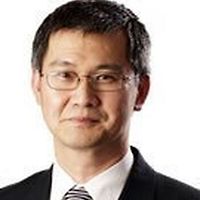
Mr Swee Tan
Plastic & Reconstructive Surgeon
-

Mr Aron Withers
Plastic & Reconstructive Surgeon
Ages
Adult / Pakeke, Older adult / Kaumātua
Fees and Charges Categorisation
Fees apply
Fees and Charges Description
Click on the link for information about fees and accounts
Languages Spoken
English
Services Provided
A naevus is a common skin growth composed of special pigment-producing cells. Naevi can vary in size, with small naevi requiring only simple surgery for removal, while the removal of larger naevi may require more than one operation and may involve skin grafts. Raised naevi may be removed surgically by cutting down to the level of the skin but naevi that may have become cancerous will be cut out entirely and stitches will be required.
A naevus is a common skin growth composed of special pigment-producing cells. Naevi can vary in size, with small naevi requiring only simple surgery for removal, while the removal of larger naevi may require more than one operation and may involve skin grafts. Raised naevi may be removed surgically by cutting down to the level of the skin but naevi that may have become cancerous will be cut out entirely and stitches will be required.
A naevus is a common skin growth composed of special pigment-producing cells. Naevi can vary in size, with small naevi requiring only simple surgery for removal, while the removal of larger naevi may require more than one operation and may involve skin grafts.
Raised naevi may be removed surgically by cutting down to the level of the skin but naevi that may have become cancerous will be cut out entirely and stitches will be required.
After significant weight loss, some people are left with loose or sagging skin that has lost its elasticity and doesn’t shrink back. Surgery to remove this excess skin includes tummy tuck, arm lift, thigh lift, and body lift procedures. These surgeries aim to improve comfort, hygiene, and body shape. The surgery is usually done under general anaesthetic and involves cutting away the extra skin and tightening the remaining tissue. Recovery time varies but can take several weeks, and patients may need to wear compression garments to reduce swelling and support healing.
After significant weight loss, some people are left with loose or sagging skin that has lost its elasticity and doesn’t shrink back. Surgery to remove this excess skin includes tummy tuck, arm lift, thigh lift, and body lift procedures. These surgeries aim to improve comfort, hygiene, and body shape. The surgery is usually done under general anaesthetic and involves cutting away the extra skin and tightening the remaining tissue. Recovery time varies but can take several weeks, and patients may need to wear compression garments to reduce swelling and support healing.
After significant weight loss, some people are left with loose or sagging skin that has lost its elasticity and doesn’t shrink back. Surgery to remove this excess skin includes tummy tuck, arm lift, thigh lift, and body lift procedures. These surgeries aim to improve comfort, hygiene, and body shape.
The surgery is usually done under general anaesthetic and involves cutting away the extra skin and tightening the remaining tissue. Recovery time varies but can take several weeks, and patients may need to wear compression garments to reduce swelling and support healing.
Surgery to increase breast size involves inserting silicone sacks (implants) filled with silicone gel or salt water (saline) under the chest muscle and skin. The procedure involves making a cut (incision) in the armpit, under the breast or around the areola (the dark area around the nipple) from where the implant is inserted. The surgery is usually performed under general anaesthesia (you will sleep through it) and it will probably take 1–2 hours. You will probably be able to go home the day of the operation, but you will need to arrange for someone else to drive you. You may need to take some medication for pain relief for 2-3 days and you should rest for a few days after the surgery. You will probably be able to return to work after 7-10 days. It will take several months for the scars to fade.
Surgery to increase breast size involves inserting silicone sacks (implants) filled with silicone gel or salt water (saline) under the chest muscle and skin. The procedure involves making a cut (incision) in the armpit, under the breast or around the areola (the dark area around the nipple) from where the implant is inserted. The surgery is usually performed under general anaesthesia (you will sleep through it) and it will probably take 1–2 hours. You will probably be able to go home the day of the operation, but you will need to arrange for someone else to drive you. You may need to take some medication for pain relief for 2-3 days and you should rest for a few days after the surgery. You will probably be able to return to work after 7-10 days. It will take several months for the scars to fade.
Surgery to increase breast size involves inserting silicone sacks (implants) filled with silicone gel or salt water (saline) under the chest muscle and skin.
The procedure involves making a cut (incision) in the armpit, under the breast or around the areola (the dark area around the nipple) from where the implant is inserted. The surgery is usually performed under general anaesthesia (you will sleep through it) and it will probably take 1–2 hours. You will probably be able to go home the day of the operation, but you will need to arrange for someone else to drive you.
You may need to take some medication for pain relief for 2-3 days and you should rest for a few days after the surgery. You will probably be able to return to work after 7-10 days. It will take several months for the scars to fade.
This is an operation that can lift and reshape sagging breasts. The procedure usually involves removing skin from an area below the nipple and reshaping the breast. The surgery is performed under general anaesthesia (you will sleep through it) and will take about 2 hours. You will probably stay in hospital overnight and will need to arrange for someone else to drive you home the next day. Your breasts will be bruised and swollen for several days and you may need to take some medication for pain relief. You will need to wear a special support bra continuously for 3-4 weeks after surgery. You will probably be able to return to work after about 1 week. It will take several months for the scars to fade.
This is an operation that can lift and reshape sagging breasts. The procedure usually involves removing skin from an area below the nipple and reshaping the breast. The surgery is performed under general anaesthesia (you will sleep through it) and will take about 2 hours. You will probably stay in hospital overnight and will need to arrange for someone else to drive you home the next day. Your breasts will be bruised and swollen for several days and you may need to take some medication for pain relief. You will need to wear a special support bra continuously for 3-4 weeks after surgery. You will probably be able to return to work after about 1 week. It will take several months for the scars to fade.
This is an operation that can lift and reshape sagging breasts. The procedure usually involves removing skin from an area below the nipple and reshaping the breast. The surgery is performed under general anaesthesia (you will sleep through it) and will take about 2 hours. You will probably stay in hospital overnight and will need to arrange for someone else to drive you home the next day.
Your breasts will be bruised and swollen for several days and you may need to take some medication for pain relief. You will need to wear a special support bra continuously for 3-4 weeks after surgery. You will probably be able to return to work after about 1 week. It will take several months for the scars to fade.
When a breast has been removed (mastectomy) because of cancer or other disease, it is possible in most cases to reconstruct a breast similar to a natural breast. A breast reconstruction can be performed as part of the breast removal operation or can be performed months or years later. There are two methods of breast reconstruction: one involves using an implant; the other uses tissue taken from another part of your body. There may be medical reasons why one of these methods is more suitable for you or, in other cases, you may be given a choice. Implants A silicone sack filled with either silicone gel or saline (salt water) is inserted underneath the chest muscle and skin. Before being inserted, the skin will sometimes need to be stretched to the required breast size. This is done by placing an empty bag where the implant will finally go, and gradually filling it with saline over weeks or months. The bag is then replaced by the implant in an operation that will probably take 2-3 hours under general anaesthesia (you will sleep through it). You will probably stay in hospital for 2-5 days. Flap reconstruction A flap taken from another part of the body such as your back, stomach or buttocks, is used to reconstruct the breast. This is a more complicated operation than having an implant and may last up to 6 hours and require a 5- to 7-day stay in hospital.
When a breast has been removed (mastectomy) because of cancer or other disease, it is possible in most cases to reconstruct a breast similar to a natural breast. A breast reconstruction can be performed as part of the breast removal operation or can be performed months or years later. There are two methods of breast reconstruction: one involves using an implant; the other uses tissue taken from another part of your body. There may be medical reasons why one of these methods is more suitable for you or, in other cases, you may be given a choice. Implants A silicone sack filled with either silicone gel or saline (salt water) is inserted underneath the chest muscle and skin. Before being inserted, the skin will sometimes need to be stretched to the required breast size. This is done by placing an empty bag where the implant will finally go, and gradually filling it with saline over weeks or months. The bag is then replaced by the implant in an operation that will probably take 2-3 hours under general anaesthesia (you will sleep through it). You will probably stay in hospital for 2-5 days. Flap reconstruction A flap taken from another part of the body such as your back, stomach or buttocks, is used to reconstruct the breast. This is a more complicated operation than having an implant and may last up to 6 hours and require a 5- to 7-day stay in hospital.
When a breast has been removed (mastectomy) because of cancer or other disease, it is possible in most cases to reconstruct a breast similar to a natural breast. A breast reconstruction can be performed as part of the breast removal operation or can be performed months or years later.
There are two methods of breast reconstruction: one involves using an implant; the other uses tissue taken from another part of your body. There may be medical reasons why one of these methods is more suitable for you or, in other cases, you may be given a choice.
Implants
A silicone sack filled with either silicone gel or saline (salt water) is inserted underneath the chest muscle and skin. Before being inserted, the skin will sometimes need to be stretched to the required breast size. This is done by placing an empty bag where the implant will finally go, and gradually filling it with saline over weeks or months. The bag is then replaced by the implant in an operation that will probably take 2-3 hours under general anaesthesia (you will sleep through it). You will probably stay in hospital for 2-5 days.
Flap reconstruction
A flap taken from another part of the body such as your back, stomach or buttocks, is used to reconstruct the breast. This is a more complicated operation than having an implant and may last up to 6 hours and require a 5- to 7-day stay in hospital.
Surgery to reduce breast size involves making a cut (incision) around the areola (the dark area around the nipple) straight downwards and along the crease beneath the breast. Glandular tissue, fat and skin are removed and the breast reshaped. The surgery is performed under general anaesthesia (you will sleep through it) and will take 2-4 hours. You will probably stay in hospital 1-2 nights and will need to arrange for someone else to drive you home. You may need to take some medication for pain relief for several days and you must wear a special support bra continuously for 2 weeks after surgery. You will probably be able to return to work after about 2 weeks. It will take several months for the scars to fade.
Surgery to reduce breast size involves making a cut (incision) around the areola (the dark area around the nipple) straight downwards and along the crease beneath the breast. Glandular tissue, fat and skin are removed and the breast reshaped. The surgery is performed under general anaesthesia (you will sleep through it) and will take 2-4 hours. You will probably stay in hospital 1-2 nights and will need to arrange for someone else to drive you home. You may need to take some medication for pain relief for several days and you must wear a special support bra continuously for 2 weeks after surgery. You will probably be able to return to work after about 2 weeks. It will take several months for the scars to fade.
Surgery to reduce breast size involves making a cut (incision) around the areola (the dark area around the nipple) straight downwards and along the crease beneath the breast. Glandular tissue, fat and skin are removed and the breast reshaped. The surgery is performed under general anaesthesia (you will sleep through it) and will take 2-4 hours.
You will probably stay in hospital 1-2 nights and will need to arrange for someone else to drive you home.
You may need to take some medication for pain relief for several days and you must wear a special support bra continuously for 2 weeks after surgery. You will probably be able to return to work after about 2 weeks. It will take several months for the scars to fade.
Carpal Tunnel Syndrome is caused by a pinched nerve in the wrist that causes tingling, numbness and pain in your hand. Surgery to relieve carpal tunnel syndrome involves making an incision (cut) from the middle of the palm of your hand to your wrist. Tissue that is pressing on the nerve is then cut to release the pressure.
Carpal Tunnel Syndrome is caused by a pinched nerve in the wrist that causes tingling, numbness and pain in your hand. Surgery to relieve carpal tunnel syndrome involves making an incision (cut) from the middle of the palm of your hand to your wrist. Tissue that is pressing on the nerve is then cut to release the pressure.
Carpal Tunnel Syndrome is caused by a pinched nerve in the wrist that causes tingling, numbness and pain in your hand.
Surgery to relieve carpal tunnel syndrome involves making an incision (cut) from the middle of the palm of your hand to your wrist. Tissue that is pressing on the nerve is then cut to release the pressure.
A cleft lip occurs when there is a failure of normal structures to join together during formation of the lip, resulting in a gap in the lip. A cleft lip often occurs together with a cleft palate which is the result of the failure of the two sides of the roof of the mouth to join together. A cleft palate can affect a child’s ability to feed, rate of weight gain, middle ear function, speech and facial growth. Cleft lip and palate are usually repaired by surgery at about 9 months of age. In some cases, the lip is strapped with tape for some time before surgery to help prepare for the procedure. Further surgery is usually carried out at about 7 or 8 years of age. During this time, the child’s hearing and speech development will be monitored. Sometimes speech therapy and/or grommets (drainage tubes inserted into the ear drums) may be necessary.
A cleft lip occurs when there is a failure of normal structures to join together during formation of the lip, resulting in a gap in the lip. A cleft lip often occurs together with a cleft palate which is the result of the failure of the two sides of the roof of the mouth to join together. A cleft palate can affect a child’s ability to feed, rate of weight gain, middle ear function, speech and facial growth. Cleft lip and palate are usually repaired by surgery at about 9 months of age. In some cases, the lip is strapped with tape for some time before surgery to help prepare for the procedure. Further surgery is usually carried out at about 7 or 8 years of age. During this time, the child’s hearing and speech development will be monitored. Sometimes speech therapy and/or grommets (drainage tubes inserted into the ear drums) may be necessary.
A cleft lip occurs when there is a failure of normal structures to join together during formation of the lip, resulting in a gap in the lip. A cleft lip often occurs together with a cleft palate which is the result of the failure of the two sides of the roof of the mouth to join together. A cleft palate can affect a child’s ability to feed, rate of weight gain, middle ear function, speech and facial growth.
Cleft lip and palate are usually repaired by surgery at about 9 months of age. In some cases, the lip is strapped with tape for some time before surgery to help prepare for the procedure. Further surgery is usually carried out at about 7 or 8 years of age. During this time, the child’s hearing and speech development will be monitored. Sometimes speech therapy and/or grommets (drainage tubes inserted into the ear drums) may be necessary.
The appearance of ears that are misshaped or protruding (‘bat ears’) can be improved surgically. This type of operation is often carried out in children. Cuts (incisions) are made behind the ears through which the cartilage in the ear can be reshaped or removed. The surgery lasts 1-2 hours and can be performed under local anaesthetic (the area treated is numb but you are awake), allowing you to go home the same day. For children, the procedure would be performed under general anaesthetic (they sleep through it) and they will remain in hospital overnight. You will need to wear head bandages for about 1 week and will probably be able to return to normal daily routines after that.
The appearance of ears that are misshaped or protruding (‘bat ears’) can be improved surgically. This type of operation is often carried out in children. Cuts (incisions) are made behind the ears through which the cartilage in the ear can be reshaped or removed. The surgery lasts 1-2 hours and can be performed under local anaesthetic (the area treated is numb but you are awake), allowing you to go home the same day. For children, the procedure would be performed under general anaesthetic (they sleep through it) and they will remain in hospital overnight. You will need to wear head bandages for about 1 week and will probably be able to return to normal daily routines after that.
The appearance of ears that are misshaped or protruding (‘bat ears’) can be improved surgically. This type of operation is often carried out in children.
Cuts (incisions) are made behind the ears through which the cartilage in the ear can be reshaped or removed. The surgery lasts 1-2 hours and can be performed under local anaesthetic (the area treated is numb but you are awake), allowing you to go home the same day. For children, the procedure would be performed under general anaesthetic (they sleep through it) and they will remain in hospital overnight. You will need to wear head bandages for about 1 week and will probably be able to return to normal daily routines after that.
Excess skin and/or fat can be surgically removed from your upper and/or lower eyelids to give your skin a less wrinkled and puffy appearance. The procedure typically involves making a small cut (incision) in the fold of the eyelid (for the upper lid) or just below the eyelashes (for the lower lid) and removing any excess skin and/or fat. The surgery will take 1-3 hours and is performed under local anaesthetic (the area being treated is numb) together with a sedative to make you feel drowsy. You will be able to go home the same day. It is recommended that you have complete rest and keep eye pads on for a couple of days after surgery. You should be able to return to work within 1 week.
Excess skin and/or fat can be surgically removed from your upper and/or lower eyelids to give your skin a less wrinkled and puffy appearance. The procedure typically involves making a small cut (incision) in the fold of the eyelid (for the upper lid) or just below the eyelashes (for the lower lid) and removing any excess skin and/or fat. The surgery will take 1-3 hours and is performed under local anaesthetic (the area being treated is numb) together with a sedative to make you feel drowsy. You will be able to go home the same day. It is recommended that you have complete rest and keep eye pads on for a couple of days after surgery. You should be able to return to work within 1 week.
Excess skin and/or fat can be surgically removed from your upper and/or lower eyelids to give your skin a less wrinkled and puffy appearance.
The procedure typically involves making a small cut (incision) in the fold of the eyelid (for the upper lid) or just below the eyelashes (for the lower lid) and removing any excess skin and/or fat. The surgery will take 1-3 hours and is performed under local anaesthetic (the area being treated is numb) together with a sedative to make you feel drowsy. You will be able to go home the same day. It is recommended that you have complete rest and keep eye pads on for a couple of days after surgery. You should be able to return to work within 1 week.
Surgery can be carried out to improve the appearance of your nose e.g. straightening it if it’s crooked or increasing or decreasing its size. Small cuts (incisions) are made either on the inside or outside (in the creases) of the nose. Excess bone and/or cartilage is removed and the nose reshaped. The surgery takes about 2 hours and is performed under general anaesthetic (you sleep through it). You may be able to go home the same day or, in some cases, you may have to stay in hospital overnight. You will need to arrange for another person to drive you home. Your nose will be covered with a splint that you will have to wear for about 1 week. It will take about six weeks for the worst of the swelling to disappear.
Surgery can be carried out to improve the appearance of your nose e.g. straightening it if it’s crooked or increasing or decreasing its size. Small cuts (incisions) are made either on the inside or outside (in the creases) of the nose. Excess bone and/or cartilage is removed and the nose reshaped. The surgery takes about 2 hours and is performed under general anaesthetic (you sleep through it). You may be able to go home the same day or, in some cases, you may have to stay in hospital overnight. You will need to arrange for another person to drive you home. Your nose will be covered with a splint that you will have to wear for about 1 week. It will take about six weeks for the worst of the swelling to disappear.
Surgery can be carried out to improve the appearance of your nose e.g. straightening it if it’s crooked or increasing or decreasing its size.
Small cuts (incisions) are made either on the inside or outside (in the creases) of the nose. Excess bone and/or cartilage is removed and the nose reshaped. The surgery takes about 2 hours and is performed under general anaesthetic (you sleep through it). You may be able to go home the same day or, in some cases, you may have to stay in hospital overnight. You will need to arrange for another person to drive you home. Your nose will be covered with a splint that you will have to wear for about 1 week. It will take about six weeks for the worst of the swelling to disappear.
This occurs when the bones of an infant’s skull fuse together before the brain has finished expanding. This can cause an abnormally shaped head and unusual facial appearance. Surgery is performed to release the fused skull bones and to reshape the head.
This occurs when the bones of an infant’s skull fuse together before the brain has finished expanding. This can cause an abnormally shaped head and unusual facial appearance. Surgery is performed to release the fused skull bones and to reshape the head.
This occurs when the bones of an infant’s skull fuse together before the brain has finished expanding. This can cause an abnormally shaped head and unusual facial appearance. Surgery is performed to release the fused skull bones and to reshape the head.
This condition occurs when there is abnormal thickening of the deep tissue between the palm of your hand and your fingers. This thickening occurs very gradually and will start to make your fingers curl toward your palm. If this condition gets to the stage where it significantly limits your hand function, surgery may be recommended. This usually involves removal of the thickened tissue, allowing you to straighten your fingers again.
This condition occurs when there is abnormal thickening of the deep tissue between the palm of your hand and your fingers. This thickening occurs very gradually and will start to make your fingers curl toward your palm. If this condition gets to the stage where it significantly limits your hand function, surgery may be recommended. This usually involves removal of the thickened tissue, allowing you to straighten your fingers again.
This condition occurs when there is abnormal thickening of the deep tissue between the palm of your hand and your fingers. This thickening occurs very gradually and will start to make your fingers curl toward your palm.
If this condition gets to the stage where it significantly limits your hand function, surgery may be recommended. This usually involves removal of the thickened tissue, allowing you to straighten your fingers again.
A face lift can include several different procedures such as a neck lift and/or a brow lift, all designed to reduce lines and wrinkles and lift sagging skin. In a typical face lift, cuts (incisions) are made within the hairline in front of and around behind the ears. Tissue lying deep below the skin is repositioned, then the skin replaced and any excess is removed. The surgery varies in duration, but can take up to 4 or 6 hours if it is combined with other procedures. General anaesthesia (you sleep through the operation) is usually required, but in some cases you may be given a local anaesthetic and a sedative so the area being treated is numb and you feel drowsy but not asleep. In most cases, you will stay in hospital overnight following the procedure. It may take 2-3 weeks for the worst of the swelling to disappear and up to 1 year for the scars to fade.
A face lift can include several different procedures such as a neck lift and/or a brow lift, all designed to reduce lines and wrinkles and lift sagging skin. In a typical face lift, cuts (incisions) are made within the hairline in front of and around behind the ears. Tissue lying deep below the skin is repositioned, then the skin replaced and any excess is removed. The surgery varies in duration, but can take up to 4 or 6 hours if it is combined with other procedures. General anaesthesia (you sleep through the operation) is usually required, but in some cases you may be given a local anaesthetic and a sedative so the area being treated is numb and you feel drowsy but not asleep. In most cases, you will stay in hospital overnight following the procedure. It may take 2-3 weeks for the worst of the swelling to disappear and up to 1 year for the scars to fade.
A face lift can include several different procedures such as a neck lift and/or a brow lift, all designed to reduce lines and wrinkles and lift sagging skin.
In a typical face lift, cuts (incisions) are made within the hairline in front of and around behind the ears. Tissue lying deep below the skin is repositioned, then the skin replaced and any excess is removed. The surgery varies in duration, but can take up to 4 or 6 hours if it is combined with other procedures. General anaesthesia (you sleep through the operation) is usually required, but in some cases you may be given a local anaesthetic and a sedative so the area being treated is numb and you feel drowsy but not asleep. In most cases, you will stay in hospital overnight following the procedure. It may take 2-3 weeks for the worst of the swelling to disappear and up to 1 year for the scars to fade.
Implants can be put into your chin, cheeks or jaw to improve or change the shape and/or size of the bones in these areas. In most cases, small cuts (incisions) are made on the inside of your mouth, through which the implants can be inserted. The length of the operation depends on the type of procedure but is typically 30-60 minutes. In most cases, you will probably receive a general anaesthetic (you will sleep through the procedure) and you will stay in hospital overnight. Your face will be swollen and bruised for several days after the surgery and you will probably need at least 1 week off work.
Implants can be put into your chin, cheeks or jaw to improve or change the shape and/or size of the bones in these areas. In most cases, small cuts (incisions) are made on the inside of your mouth, through which the implants can be inserted. The length of the operation depends on the type of procedure but is typically 30-60 minutes. In most cases, you will probably receive a general anaesthetic (you will sleep through the procedure) and you will stay in hospital overnight. Your face will be swollen and bruised for several days after the surgery and you will probably need at least 1 week off work.
Implants can be put into your chin, cheeks or jaw to improve or change the shape and/or size of the bones in these areas.
In most cases, small cuts (incisions) are made on the inside of your mouth, through which the implants can be inserted. The length of the operation depends on the type of procedure but is typically 30-60 minutes. In most cases, you will probably receive a general anaesthetic (you will sleep through the procedure) and you will stay in hospital overnight. Your face will be swollen and bruised for several days after the surgery and you will probably need at least 1 week off work.
Also known as port wine stains or strawberry haemangiomas, these are non-cancerous, vascular skin lesions. These usually appear in the first month after birth and can grow very quickly for about 8 months. Haemangiomas generally start to fade and become smaller after 2-10 years of age but usually do not disappear completely. Treatment is not usually recommended unless the haemangioma is causing problems such as bleeding, feeding or breathing difficulties or impairing vision. Recommended treatments depend on the type and location of the haemangioma and include medication, laser treatment and surgery. If surgery is required, it usually does not require an overnight stay in hospital.
Also known as port wine stains or strawberry haemangiomas, these are non-cancerous, vascular skin lesions. These usually appear in the first month after birth and can grow very quickly for about 8 months. Haemangiomas generally start to fade and become smaller after 2-10 years of age but usually do not disappear completely. Treatment is not usually recommended unless the haemangioma is causing problems such as bleeding, feeding or breathing difficulties or impairing vision. Recommended treatments depend on the type and location of the haemangioma and include medication, laser treatment and surgery. If surgery is required, it usually does not require an overnight stay in hospital.
Also known as port wine stains or strawberry haemangiomas, these are non-cancerous, vascular skin lesions. These usually appear in the first month after birth and can grow very quickly for about 8 months. Haemangiomas generally start to fade and become smaller after 2-10 years of age but usually do not disappear completely. Treatment is not usually recommended unless the haemangioma is causing problems such as bleeding, feeding or breathing difficulties or impairing vision. Recommended treatments depend on the type and location of the haemangioma and include medication, laser treatment and surgery. If surgery is required, it usually does not require an overnight stay in hospital.
Labiaplasty is surgery to reduce the size of the labia minora, the folds of skin around the opening of the vagina. It may be performed for appearance reasons or to alleviate physical discomfort. The procedure is done under local or general anaesthetic.
Labiaplasty is surgery to reduce the size of the labia minora, the folds of skin around the opening of the vagina. It may be performed for appearance reasons or to alleviate physical discomfort. The procedure is done under local or general anaesthetic.
Labiaplasty is surgery to reduce the size of the labia minora, the folds of skin around the opening of the vagina. It may be performed for appearance reasons or to alleviate physical discomfort. The procedure is done under local or general anaesthetic.
This procedure removes unwanted pockets of fat from under your skin in specific parts of the body such as the chin, neck, upper arms, stomach, hips and thighs. Liposuction should not be regarded as a means of general weight loss, but instead as a way to improve the shape of particular areas of your body. A small cut (incision) is made, through which a narrow, hollow tube (cannula) is inserted. The tube is moved around to loosen the fat cells, which are then sucked out with a vacuum device. During the procedure you will lose a lot of fluid, so you will be given intravenous (injected straight into the vein) fluid to stop you becoming dehydrated. The procedure usually takes 1-3 hours and is carried out under local anaesthetic (the area being treated is numb but you are awake). You will probably be able to go home the same day but will need someone to drive you. However, if the procedure is more extensive and numerous areas are being treated at the same time, it may require general anaesthesia (you will sleep through it) and you may have to remain overnight in hospital. The area treated will be swollen and bruised after the surgery and you may need to take pain relief medication for several days. You will be given an elastic dressing or support garment that you may have to wear continuously for 2-3 weeks. You will probably be able to return to work after 1-2 weeks.
This procedure removes unwanted pockets of fat from under your skin in specific parts of the body such as the chin, neck, upper arms, stomach, hips and thighs. Liposuction should not be regarded as a means of general weight loss, but instead as a way to improve the shape of particular areas of your body. A small cut (incision) is made, through which a narrow, hollow tube (cannula) is inserted. The tube is moved around to loosen the fat cells, which are then sucked out with a vacuum device. During the procedure you will lose a lot of fluid, so you will be given intravenous (injected straight into the vein) fluid to stop you becoming dehydrated. The procedure usually takes 1-3 hours and is carried out under local anaesthetic (the area being treated is numb but you are awake). You will probably be able to go home the same day but will need someone to drive you. However, if the procedure is more extensive and numerous areas are being treated at the same time, it may require general anaesthesia (you will sleep through it) and you may have to remain overnight in hospital. The area treated will be swollen and bruised after the surgery and you may need to take pain relief medication for several days. You will be given an elastic dressing or support garment that you may have to wear continuously for 2-3 weeks. You will probably be able to return to work after 1-2 weeks.
This procedure removes unwanted pockets of fat from under your skin in specific parts of the body such as the chin, neck, upper arms, stomach, hips and thighs. Liposuction should not be regarded as a means of general weight loss, but instead as a way to improve the shape of particular areas of your body.
A small cut (incision) is made, through which a narrow, hollow tube (cannula) is inserted. The tube is moved around to loosen the fat cells, which are then sucked out with a vacuum device. During the procedure you will lose a lot of fluid, so you will be given intravenous (injected straight into the vein) fluid to stop you becoming dehydrated. The procedure usually takes 1-3 hours and is carried out under local anaesthetic (the area being treated is numb but you are awake). You will probably be able to go home the same day but will need someone to drive you. However, if the procedure is more extensive and numerous areas are being treated at the same time, it may require general anaesthesia (you will sleep through it) and you may have to remain overnight in hospital. The area treated will be swollen and bruised after the surgery and you may need to take pain relief medication for several days. You will be given an elastic dressing or support garment that you may have to wear continuously for 2-3 weeks. You will probably be able to return to work after 1-2 weeks.
Scar appearance can be improved by various methods including a surgical procedure known as scar revision. This usually involves cutting out the old scar, closing the wound with stitches and, in some cases, moving the scar so that it is hidden by natural features of the body. Scar revision is usually performed under local anaesthesia (the area around the scar is numbed by injecting a local anaesthetic). Sometimes you may also be given steroid injections at the time of surgery. Immediately following the procedure, you will need to remain at the clinic for about an hour, during which you will be encouraged to walk around. You may or may not have a dressing put on the wound and it is important to keep the area dry for 24 hours. Stitches may be removed in 1-2 weeks. You may need to take a few days off work after the surgery.
Scar appearance can be improved by various methods including a surgical procedure known as scar revision. This usually involves cutting out the old scar, closing the wound with stitches and, in some cases, moving the scar so that it is hidden by natural features of the body. Scar revision is usually performed under local anaesthesia (the area around the scar is numbed by injecting a local anaesthetic). Sometimes you may also be given steroid injections at the time of surgery. Immediately following the procedure, you will need to remain at the clinic for about an hour, during which you will be encouraged to walk around. You may or may not have a dressing put on the wound and it is important to keep the area dry for 24 hours. Stitches may be removed in 1-2 weeks. You may need to take a few days off work after the surgery.
Scar appearance can be improved by various methods including a surgical procedure known as scar revision. This usually involves cutting out the old scar, closing the wound with stitches and, in some cases, moving the scar so that it is hidden by natural features of the body.
Scar revision is usually performed under local anaesthesia (the area around the scar is numbed by injecting a local anaesthetic). Sometimes you may also be given steroid injections at the time of surgery. Immediately following the procedure, you will need to remain at the clinic for about an hour, during which you will be encouraged to walk around. You may or may not have a dressing put on the wound and it is important to keep the area dry for 24 hours. Stitches may be removed in 1-2 weeks. You may need to take a few days off work after the surgery.
There are three main types of skin cancers: basal cell carcinoma, squamous cell carcinoma and malignant melanoma. Basal cell and squamous cell carcinomas are generally slow growing and unlikely to spread to other parts of the body while melanoma is a serious skin cancer that can spread to other parts of the body and urgent removal is usually recommended. Surgery involves removing the cancerous lesion and carefully reconstructing the area to achieve the best possible functional and cosmetic outcome. Plastic surgeons may use advanced techniques like skin grafts or local flaps to help the skin heal well and reduce scarring.
There are three main types of skin cancers: basal cell carcinoma, squamous cell carcinoma and malignant melanoma. Basal cell and squamous cell carcinomas are generally slow growing and unlikely to spread to other parts of the body while melanoma is a serious skin cancer that can spread to other parts of the body and urgent removal is usually recommended. Surgery involves removing the cancerous lesion and carefully reconstructing the area to achieve the best possible functional and cosmetic outcome. Plastic surgeons may use advanced techniques like skin grafts or local flaps to help the skin heal well and reduce scarring.
There are three main types of skin cancers: basal cell carcinoma, squamous cell carcinoma and malignant melanoma. Basal cell and squamous cell carcinomas are generally slow growing and unlikely to spread to other parts of the body while melanoma is a serious skin cancer that can spread to other parts of the body and urgent removal is usually recommended.
Surgery involves removing the cancerous lesion and carefully reconstructing the area to achieve the best possible functional and cosmetic outcome. Plastic surgeons may use advanced techniques like skin grafts or local flaps to help the skin heal well and reduce scarring.
If the scar to be revised or skin lesion being removed is particularly large, a skin graft may be performed. This involves transferring skin from another, healthy part of the body (donor site) to the injured site (recipient site). While skin grafting can improve the function of a damaged area, some scarring will be left at both the donor and recipient sites. Skin grafting is likely to be performed under general anaesthesia (you will be asleep during the procedure) in a hospital. The wound may take weeks or months to heal and you may need to wear a support bandage for a similar period.
If the scar to be revised or skin lesion being removed is particularly large, a skin graft may be performed. This involves transferring skin from another, healthy part of the body (donor site) to the injured site (recipient site). While skin grafting can improve the function of a damaged area, some scarring will be left at both the donor and recipient sites. Skin grafting is likely to be performed under general anaesthesia (you will be asleep during the procedure) in a hospital. The wound may take weeks or months to heal and you may need to wear a support bandage for a similar period.
If the scar to be revised or skin lesion being removed is particularly large, a skin graft may be performed. This involves transferring skin from another, healthy part of the body (donor site) to the injured site (recipient site). While skin grafting can improve the function of a damaged area, some scarring will be left at both the donor and recipient sites. Skin grafting is likely to be performed under general anaesthesia (you will be asleep during the procedure) in a hospital. The wound may take weeks or months to heal and you may need to wear a support bandage for a similar period.
Skin lesions can be divided into two groups: Benign (non-cancerous): e.g. moles, cysts, warts, tags. These may be removed to prevent spreading (warts), stop discomfort if the lesion is being irritated by clothing/jewellery or to improve appearance. Malignant (cancerous): basal cell and squamous cell carcinomas are generally slow growing and unlikely to spread to other parts of the body. Melanoma is a serious skin cancer that can spread to other parts of the body. Urgent removal is recommended. Surgery to remove skin lesions usually involves an office or outpatient visit, local anaesthesia (the area around the scar is numbed by injecting a local anaesthetic) and stitches. You may or may not have a dressing put on the wound and it is important to keep the area dry for 24 hours. Stitches may be removed in 1-2 weeks. You may need to take a few days off work after the surgery.
Skin lesions can be divided into two groups: Benign (non-cancerous): e.g. moles, cysts, warts, tags. These may be removed to prevent spreading (warts), stop discomfort if the lesion is being irritated by clothing/jewellery or to improve appearance. Malignant (cancerous): basal cell and squamous cell carcinomas are generally slow growing and unlikely to spread to other parts of the body. Melanoma is a serious skin cancer that can spread to other parts of the body. Urgent removal is recommended. Surgery to remove skin lesions usually involves an office or outpatient visit, local anaesthesia (the area around the scar is numbed by injecting a local anaesthetic) and stitches. You may or may not have a dressing put on the wound and it is important to keep the area dry for 24 hours. Stitches may be removed in 1-2 weeks. You may need to take a few days off work after the surgery.
Skin lesions can be divided into two groups:
- Benign (non-cancerous): e.g. moles, cysts, warts, tags. These may be removed to prevent spreading (warts), stop discomfort if the lesion is being irritated by clothing/jewellery or to improve appearance.
- Malignant (cancerous): basal cell and squamous cell carcinomas are generally slow growing and unlikely to spread to other parts of the body. Melanoma is a serious skin cancer that can spread to other parts of the body. Urgent removal is recommended.
Surgery to remove skin lesions usually involves an office or outpatient visit, local anaesthesia (the area around the scar is numbed by injecting a local anaesthetic) and stitches. You may or may not have a dressing put on the wound and it is important to keep the area dry for 24 hours. Stitches may be removed in 1-2 weeks. You may need to take a few days off work after the surgery.
This procedure involves removing excess skin and fat from the stomach and tightening the muscles of the stomach wall. Cuts (incisions) are made across the lower stomach and around the tummy button and the muscles underneath are pulled together and stitched. The skin flap is stretched down and the excess skin removed. A new hole is made and the tummy button replaced. The surgery is performed under general anaesthesia (you will sleep through it) and will take 3-4 hours. You will probably have to stay in hospital for 2 days and will need to arrange for someone else to drive you home. Your stomach will be swollen and painful at first and you may need to take medication for pain relief for several days. You will possibly have to wear a special support garment for 2-3 weeks after surgery. You will probably be able to return to work after about 2 weeks. It will take 9-12 months for the scar to lighten.
This procedure involves removing excess skin and fat from the stomach and tightening the muscles of the stomach wall. Cuts (incisions) are made across the lower stomach and around the tummy button and the muscles underneath are pulled together and stitched. The skin flap is stretched down and the excess skin removed. A new hole is made and the tummy button replaced. The surgery is performed under general anaesthesia (you will sleep through it) and will take 3-4 hours. You will probably have to stay in hospital for 2 days and will need to arrange for someone else to drive you home. Your stomach will be swollen and painful at first and you may need to take medication for pain relief for several days. You will possibly have to wear a special support garment for 2-3 weeks after surgery. You will probably be able to return to work after about 2 weeks. It will take 9-12 months for the scar to lighten.
This procedure involves removing excess skin and fat from the stomach and tightening the muscles of the stomach wall. Cuts (incisions) are made across the lower stomach and around the tummy button and the muscles underneath are pulled together and stitched. The skin flap is stretched down and the excess skin removed. A new hole is made and the tummy button replaced. The surgery is performed under general anaesthesia (you will sleep through it) and will take 3-4 hours. You will probably have to stay in hospital for 2 days and will need to arrange for someone else to drive you home.
Your stomach will be swollen and painful at first and you may need to take medication for pain relief for several days. You will possibly have to wear a special support garment for 2-3 weeks after surgery. You will probably be able to return to work after about 2 weeks. It will take 9-12 months for the scar to lighten.
These are bulging veins that lie just beneath the skin (superficial veins). They occur when the walls of a vein are weak or damaged or if the valves in the vein that normally stop the blood from flowing backwards are impaired, resulting in pooling of the blood and stretched veins. Besides being unattractive, varicose veins can be painful and cause inflammation or ulceration. The following different types of surgery are available if varicose veins require treatment: Sclerotherapy: a tiny needle is used to inject a chemical solution into the vein that causes the vein to collapse. This approach is recommended for small varicose veins or spider veins that typically appear on the upper legs. You will need to wear elastic bandages or stockings over the treated area for some time after surgery. Vein stripping: the varicose veins are cut out and the veins that branch off them are tied off. The cuts (incisions) made in the skin are closed with sutures. You will need to wear elastic bandages or stockings over the treated area for some time after surgery. This procedure requires anaesthesia. Phlebectomy: small cuts (incisions) are made in the leg and the varicose veins are pulled out with a tiny hook-like instrument. The cuts are closed with tape rather than sutures and, once healed, are almost invisible. You will need to wear elastic bandages or stockings over the treated area for some time after surgery. This procedure requires anaesthesia.
These are bulging veins that lie just beneath the skin (superficial veins). They occur when the walls of a vein are weak or damaged or if the valves in the vein that normally stop the blood from flowing backwards are impaired, resulting in pooling of the blood and stretched veins. Besides being unattractive, varicose veins can be painful and cause inflammation or ulceration. The following different types of surgery are available if varicose veins require treatment: Sclerotherapy: a tiny needle is used to inject a chemical solution into the vein that causes the vein to collapse. This approach is recommended for small varicose veins or spider veins that typically appear on the upper legs. You will need to wear elastic bandages or stockings over the treated area for some time after surgery. Vein stripping: the varicose veins are cut out and the veins that branch off them are tied off. The cuts (incisions) made in the skin are closed with sutures. You will need to wear elastic bandages or stockings over the treated area for some time after surgery. This procedure requires anaesthesia. Phlebectomy: small cuts (incisions) are made in the leg and the varicose veins are pulled out with a tiny hook-like instrument. The cuts are closed with tape rather than sutures and, once healed, are almost invisible. You will need to wear elastic bandages or stockings over the treated area for some time after surgery. This procedure requires anaesthesia.
These are bulging veins that lie just beneath the skin (superficial veins). They occur when the walls of a vein are weak or damaged or if the valves in the vein that normally stop the blood from flowing backwards are impaired, resulting in pooling of the blood and stretched veins. Besides being unattractive, varicose veins can be painful and cause inflammation or ulceration.
The following different types of surgery are available if varicose veins require treatment:
Sclerotherapy: a tiny needle is used to inject a chemical solution into the vein that causes the vein to collapse. This approach is recommended for small varicose veins or spider veins that typically appear on the upper legs. You will need to wear elastic bandages or stockings over the treated area for some time after surgery.
Vein stripping: the varicose veins are cut out and the veins that branch off them are tied off. The cuts (incisions) made in the skin are closed with sutures. You will need to wear elastic bandages or stockings over the treated area for some time after surgery. This procedure requires anaesthesia.
Phlebectomy: small cuts (incisions) are made in the leg and the varicose veins are pulled out with a tiny hook-like instrument. The cuts are closed with tape rather than sutures and, once healed, are almost invisible. You will need to wear elastic bandages or stockings over the treated area for some time after surgery. This procedure requires anaesthesia.
Masses on the head and neck can be benign (noncancerous) or cancerous and can form in the larynx, pharynx, thyroid gland, salivary gland, mouth, neck, face, skull or any other structure in the head and neck region. Noncancerous masses such as cysts are often removed surgically to prevent them from pressing on nerves and other structures in the head and neck. Cancerous masses may be primary (arise in the head or neck) or secondary (they have spread from a primary tumour in another part of the body) and may be treated by a combination of radiotherapy, chemotherapy and surgery. Surgery can be quite extensive, including removal of lymph nodes in the neck, and require major reconstruction.
Masses on the head and neck can be benign (noncancerous) or cancerous and can form in the larynx, pharynx, thyroid gland, salivary gland, mouth, neck, face, skull or any other structure in the head and neck region. Noncancerous masses such as cysts are often removed surgically to prevent them from pressing on nerves and other structures in the head and neck. Cancerous masses may be primary (arise in the head or neck) or secondary (they have spread from a primary tumour in another part of the body) and may be treated by a combination of radiotherapy, chemotherapy and surgery. Surgery can be quite extensive, including removal of lymph nodes in the neck, and require major reconstruction.
Masses on the head and neck can be benign (noncancerous) or cancerous and can form in the larynx, pharynx, thyroid gland, salivary gland, mouth, neck, face, skull or any other structure in the head and neck region.
Noncancerous masses such as cysts are often removed surgically to prevent them from pressing on nerves and other structures in the head and neck.
Cancerous masses may be primary (arise in the head or neck) or secondary (they have spread from a primary tumour in another part of the body) and may be treated by a combination of radiotherapy, chemotherapy and surgery.
Surgery can be quite extensive, including removal of lymph nodes in the neck, and require major reconstruction.
Problems with the appearance or function of the hand can be the result of injury, birth defects or degenerative conditions. Transplantation Fingers or hands that have been accidentally cut off can be reattached by very detailed surgery that is performed under a microscope (microsurgery) and involves reconnecting tendons, blood vessels and nerves. Arthritis Arthritis is a condition in which a joint and the surrounding tissue become swollen and painful. If surgery is necessary, it may involve replacement of the joint with an artificial joint or removal or repair of swollen or damaged tissue. Birth Abnormalities Surgery may sometimes be required for hand abnormalities that are present at birth such as too many or too few fingers, webbed fingers or joints that won’t bend. Carpal Tunnel Syndrome A pinched nerve in the wrist that causes tingling, numbness and pain in your hand may require surgery to make more room for the nerve. This operation is usually performed under local anaesthetic (the area being treated is numb but you are awake). Injuries Damage to tendons, nerves, joints and bones in the hand may require surgical repair. In some cases, tissue may be transferred from a healthy part of your body to the injured site (grafting).
Problems with the appearance or function of the hand can be the result of injury, birth defects or degenerative conditions. Transplantation Fingers or hands that have been accidentally cut off can be reattached by very detailed surgery that is performed under a microscope (microsurgery) and involves reconnecting tendons, blood vessels and nerves. Arthritis Arthritis is a condition in which a joint and the surrounding tissue become swollen and painful. If surgery is necessary, it may involve replacement of the joint with an artificial joint or removal or repair of swollen or damaged tissue. Birth Abnormalities Surgery may sometimes be required for hand abnormalities that are present at birth such as too many or too few fingers, webbed fingers or joints that won’t bend. Carpal Tunnel Syndrome A pinched nerve in the wrist that causes tingling, numbness and pain in your hand may require surgery to make more room for the nerve. This operation is usually performed under local anaesthetic (the area being treated is numb but you are awake). Injuries Damage to tendons, nerves, joints and bones in the hand may require surgical repair. In some cases, tissue may be transferred from a healthy part of your body to the injured site (grafting).
Problems with the appearance or function of the hand can be the result of injury, birth defects or degenerative conditions.
Transplantation
Fingers or hands that have been accidentally cut off can be reattached by very detailed surgery that is performed under a microscope (microsurgery) and involves reconnecting tendons, blood vessels and nerves.
Arthritis
Arthritis is a condition in which a joint and the surrounding tissue become swollen and painful. If surgery is necessary, it may involve replacement of the joint with an artificial joint or removal or repair of swollen or damaged tissue.
Birth Abnormalities
Surgery may sometimes be required for hand abnormalities that are present at birth such as too many or too few fingers, webbed fingers or joints that won’t bend.
Carpal Tunnel Syndrome
A pinched nerve in the wrist that causes tingling, numbness and pain in your hand may require surgery to make more room for the nerve. This operation is usually performed under local anaesthetic (the area being treated is numb but you are awake).
Injuries
Damage to tendons, nerves, joints and bones in the hand may require surgical repair. In some cases, tissue may be transferred from a healthy part of your body to the injured site (grafting).
Visiting Hours
Visiting hours are between 8.00am and 8.00pm daily.
Refreshments
For those staying overnight we offer a choice of meals freshly prepared by our resident chef.
Parking
Parking is available for visitors in the grounds of the hospital. Please note this is limited to 90 minutes. If you are staying longer please speak to one of our reception team and they will extend this time limit for you.
Pharmacy
Find the nearest pharmacy here.
Website

Contact Details
Boulcott Hospital
Hutt
-
Phone
(04) 569 7555
Healthlink EDI
boulcott
Email
Website
666 High Street
Boulcott
Lower Hutt
Wellington 5010
Street Address
666 High Street
Boulcott
Lower Hutt
Wellington 5010
Postal Address
PO Box 31 459
Lower Hutt 5040
Wellington
New Zealand
Was this page helpful?
This page was last updated at 8:18AM on September 26, 2025. This information is reviewed and edited by Boulcott Hospital - Plastic and Reconstructive Surgery.