
West Coast, Canterbury, Northland, South Auckland, Hutt, Taranaki, Waitaki, Hawke's Bay, Central Lakes, Central Auckland, Tairāwhiti, West Auckland, South Canterbury, Bay of Plenty, Southland, Waikato, Wellington, Dunedin - South Otago, MidCentral, East Auckland, Nelson Marlborough, Wairarapa, Whanganui, Lakes, North Auckland > Private Hospitals & Specialists >
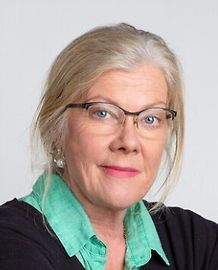
Dr Rosie Edwards - Consultant Psychiatrist
Private Service, Psychiatry, Mental Health
Today
9:00 AM to 5:00 PM.
Description
She is known for her thorough, evidence-based care and for her warm, thoughtful approach. Rosie is passionate about helping people make sense of their experiences and working with them to find the support and treatment that best meets their needs.
Rosie can see people from across New Zealand via Zoom, and in person at her rooms.
What is Mental Illness?
Consultants
-

Dr Rosie Edwards
Consultant Psychiatrist
Ages
Adult / Pakeke, Older adult / Kaumātua
How do I access this service?
Contact us, Referral
Fees and Charges Categorisation
Fees apply
Hours
9:00 AM to 5:00 PM.
| Mon – Fri | 9:00 AM – 5:00 PM |
|---|
Please contact me by text or e-mail in the first instance.
Languages Spoken
English
Procedures / Treatments
Adult ADHD (Attention Deficit Hyperactivity Disorder) is a condition that affects how someone thinks, focuses, and controls their actions. People with ADHD might have trouble paying attention, staying organised, or finishing tasks. They may also feel restless or act without thinking. Even though ADHD is often noticed in children, some people still have it as adults. It can make work, relationships, and daily life more difficult, but there are ways to manage it. Adults with ADHD can learn strategies to help them stay focused and organised, and some take medicine or go to therapy to feel better. Read more about Adult ADHD on the Healthify website
Adult ADHD (Attention Deficit Hyperactivity Disorder) is a condition that affects how someone thinks, focuses, and controls their actions. People with ADHD might have trouble paying attention, staying organised, or finishing tasks. They may also feel restless or act without thinking. Even though ADHD is often noticed in children, some people still have it as adults. It can make work, relationships, and daily life more difficult, but there are ways to manage it. Adults with ADHD can learn strategies to help them stay focused and organised, and some take medicine or go to therapy to feel better. Read more about Adult ADHD on the Healthify website
Adult ADHD (Attention Deficit Hyperactivity Disorder) is a condition that affects how someone thinks, focuses, and controls their actions. People with ADHD might have trouble paying attention, staying organised, or finishing tasks. They may also feel restless or act without thinking.
Even though ADHD is often noticed in children, some people still have it as adults. It can make work, relationships, and daily life more difficult, but there are ways to manage it. Adults with ADHD can learn strategies to help them stay focused and organised, and some take medicine or go to therapy to feel better.
Read more about Adult ADHD on the Healthify website
Child ADHD (Attention Deficit Hyperactivity Disorder) is a condition that makes it harder for children to sit still, pay attention, and control their actions. It’s not because they’re naughty — their brain just works a bit differently. ADHD can make school and friendships harder, but with support children with ADHD can learn ways to manage it and do really well. Read more about Child ADHD on the Healthify website
Child ADHD (Attention Deficit Hyperactivity Disorder) is a condition that makes it harder for children to sit still, pay attention, and control their actions. It’s not because they’re naughty — their brain just works a bit differently. ADHD can make school and friendships harder, but with support children with ADHD can learn ways to manage it and do really well. Read more about Child ADHD on the Healthify website
Child ADHD (Attention Deficit Hyperactivity Disorder) is a condition that makes it harder for children to sit still, pay attention, and control their actions. It’s not because they’re naughty — their brain just works a bit differently.
ADHD can make school and friendships harder, but with support children with ADHD can learn ways to manage it and do really well.
Read more about Child ADHD on the Healthify website
We all feel some anxiety at some time or other. Anxiety may serve as an alerting signal, warning us of external /internal threats and consequently acting as a prompt to take appropriate action. When anxiety is very severe and present even when there is no threat of any kind, then it interferes with our functioning and can become an illness. In this circumstance, anxiety becomes a disorder characterised by an unpleasant emotion with feelings of fear, threat and impending danger and can be associated with numerous bodily symptoms like breathlessness, trembling, tightness in throat, dry mouth, racing heart and nausea/vomiting. There are varieties of anxiety disorders like panic attacks, phobias (unhealthy fear of something), agoraphobia (fear of open spaces), social anxiety, post-traumatic disorder and obsessive compulsive disorder. Anxiety can often be associated with a depressive episode. Anxiety disorders are very common and if unrecognised and untreated, can cause severe disability. Treatment Self help: learning techniques like relaxation, distraction and education Cognitive Behavioural Therapy (CBT) Medication.
We all feel some anxiety at some time or other. Anxiety may serve as an alerting signal, warning us of external /internal threats and consequently acting as a prompt to take appropriate action. When anxiety is very severe and present even when there is no threat of any kind, then it interferes with our functioning and can become an illness. In this circumstance, anxiety becomes a disorder characterised by an unpleasant emotion with feelings of fear, threat and impending danger and can be associated with numerous bodily symptoms like breathlessness, trembling, tightness in throat, dry mouth, racing heart and nausea/vomiting. There are varieties of anxiety disorders like panic attacks, phobias (unhealthy fear of something), agoraphobia (fear of open spaces), social anxiety, post-traumatic disorder and obsessive compulsive disorder. Anxiety can often be associated with a depressive episode. Anxiety disorders are very common and if unrecognised and untreated, can cause severe disability. Treatment Self help: learning techniques like relaxation, distraction and education Cognitive Behavioural Therapy (CBT) Medication.
- Self help: learning techniques like relaxation, distraction and education
- Cognitive Behavioural Therapy (CBT)
- Medication.
Depression is a mood disorder. Emotional states like sadness, ‘feeling blue’ or tearfulness are part of normal human experience. Clinical depression is called Major Depression and is characterised by the presence for at least two weeks of symptoms such as depressed mood, diminished interest and pleasure in most activities, change in appetite and weight (these can be increased or decreased) sleep disturbance, fatigue, bodily symptoms (headache, backache etc) poor concentration, feelings of anxiousness, worthlessness, hopelessness, guilt, and suicidal ideation. Depression is a common disorder and about 10-20 % of the population in New Zealand will suffer from depression during their lifetime. Treatment Once depression has been diagnosed by your GP/Psychiatrist, it can be effectively treated by: Antidepressant medication Psychological interventions e.g. counselling (various types) and psychotherapy (talking therapy which is of various types).
Depression is a mood disorder. Emotional states like sadness, ‘feeling blue’ or tearfulness are part of normal human experience. Clinical depression is called Major Depression and is characterised by the presence for at least two weeks of symptoms such as depressed mood, diminished interest and pleasure in most activities, change in appetite and weight (these can be increased or decreased) sleep disturbance, fatigue, bodily symptoms (headache, backache etc) poor concentration, feelings of anxiousness, worthlessness, hopelessness, guilt, and suicidal ideation. Depression is a common disorder and about 10-20 % of the population in New Zealand will suffer from depression during their lifetime. Treatment Once depression has been diagnosed by your GP/Psychiatrist, it can be effectively treated by: Antidepressant medication Psychological interventions e.g. counselling (various types) and psychotherapy (talking therapy which is of various types).
- Antidepressant medication
- Psychological interventions e.g. counselling (various types) and psychotherapy (talking therapy which is of various types).
This is a mood disorder in which both depressive (persistent low mood) and manic (elevated or high mood) episodes are experienced. It is usually a recurring (i.e. keeps coming back) disorder that can cause a lot of havoc in all aspects of a person’s life. People with this disorder will experience periods of extreme mood changes but also periods of stable mood during which they may be able to return to everyday routines. These changes of mood can be very extreme and occur for no apparent reason. Different people will experience this disorder in different ways; some may have few episodes, others many, and symptoms may vary from mild to severe. When severely depressed or elevated, a person can become ‘psychotic’ i.e. lose touch with reality. Treatment Usually by medication (antidepressants if depressed and mood stabilisers if depressed and manic) A combination of counselling and psychotherapy (‘talking therapy’) may hasten recovery Hospitalisation may be required for those who are very unwell and are posing a risk to themselves or to others.
This is a mood disorder in which both depressive (persistent low mood) and manic (elevated or high mood) episodes are experienced. It is usually a recurring (i.e. keeps coming back) disorder that can cause a lot of havoc in all aspects of a person’s life. People with this disorder will experience periods of extreme mood changes but also periods of stable mood during which they may be able to return to everyday routines. These changes of mood can be very extreme and occur for no apparent reason. Different people will experience this disorder in different ways; some may have few episodes, others many, and symptoms may vary from mild to severe. When severely depressed or elevated, a person can become ‘psychotic’ i.e. lose touch with reality. Treatment Usually by medication (antidepressants if depressed and mood stabilisers if depressed and manic) A combination of counselling and psychotherapy (‘talking therapy’) may hasten recovery Hospitalisation may be required for those who are very unwell and are posing a risk to themselves or to others.
- Usually by medication (antidepressants if depressed and mood stabilisers if depressed and manic)
- A combination of counselling and psychotherapy (‘talking therapy’) may hasten recovery
- Hospitalisation may be required for those who are very unwell and are posing a risk to themselves or to others.
Schizophrenia is a serious mental disorder that affects about 1% of the general population. It is a complex illness characterised by ‘psychosis’, a word used to describe disorder of thoughts (e.g. delusions - false beliefs held in spite of evidence that they are not real), perceptions (e.g. hallucinations - seeing, hearing or feeling things which are not there), disorganised speech and grossly disorganised behaviour, which are not experienced by others and which are not seen as abnormal by the sufferer. These four symptoms are often referred to as the ‘Positive Symptoms’ of schizophrenia because they are the result of the disease process. The fifth group of symptoms: withdrawal, decreased ability to feel pleasure, lack of energy, and flat affect, are referred to as ‘Negative Symptoms’ because they represent a loss of normal functions. Schizophrenia affects different people in different ways. Some people may experience only a few short episodes and then fully recover. For others it lasts throughout their lives and needs to be treated like any other physical illness such as asthma or diabetes. It is important that schizophrenia is treated as soon as it is diagnosed by a psychiatrist to prevent long-term disability and loss of function. Treatment Schizophrenia may be treated using a number of different approaches: Use of antipsychotic medication Psychosocial education programs e.g. education, support, counselling and assistance to return to job/studies/performing daily tasks Ongoing support e.g. housing, monitoring of treatment, support groups.
Schizophrenia is a serious mental disorder that affects about 1% of the general population. It is a complex illness characterised by ‘psychosis’, a word used to describe disorder of thoughts (e.g. delusions - false beliefs held in spite of evidence that they are not real), perceptions (e.g. hallucinations - seeing, hearing or feeling things which are not there), disorganised speech and grossly disorganised behaviour, which are not experienced by others and which are not seen as abnormal by the sufferer. These four symptoms are often referred to as the ‘Positive Symptoms’ of schizophrenia because they are the result of the disease process. The fifth group of symptoms: withdrawal, decreased ability to feel pleasure, lack of energy, and flat affect, are referred to as ‘Negative Symptoms’ because they represent a loss of normal functions. Schizophrenia affects different people in different ways. Some people may experience only a few short episodes and then fully recover. For others it lasts throughout their lives and needs to be treated like any other physical illness such as asthma or diabetes. It is important that schizophrenia is treated as soon as it is diagnosed by a psychiatrist to prevent long-term disability and loss of function. Treatment Schizophrenia may be treated using a number of different approaches: Use of antipsychotic medication Psychosocial education programs e.g. education, support, counselling and assistance to return to job/studies/performing daily tasks Ongoing support e.g. housing, monitoring of treatment, support groups.
- Use of antipsychotic medication
- Psychosocial education programs e.g. education, support, counselling and assistance to return to job/studies/performing daily tasks
- Ongoing support e.g. housing, monitoring of treatment, support groups.
Programmes
Assessment, diagnosis, treatment and support for individuals with ADHD.
Assessment, diagnosis, treatment and support for individuals with ADHD.
- Programme Areas
Mental health
- Programme Type
Mental health assessment and treatment
- Regions
All of New Zealand
- Age Groups
Adult / Pakeke, Older adult / Kaumātua
- Referral Types
Self referral, GP
Description
Assessment, diagnosis, treatment and support for individuals with ADHD.
Parking
Parking is available across the road from the practice.
Pharmacy
Please find your nearest pharmacy here
Contact Details
108 Mana Esplanade, Mana, Porirua
Wellington
9:00 AM to 5:00 PM.
-
Phone
027 444 7760
Email
108 Mana Esplanade
Paremata
Porirua
Wellington 5026
Street Address
108 Mana Esplanade
Paremata
Porirua
Wellington 5026
Postal Address
Please use electronic communication wherever possible.
Was this page helpful?
This page was last updated at 1:35PM on December 5, 2025. This information is reviewed and edited by Dr Rosie Edwards - Consultant Psychiatrist.