
Waikato > Private Hospitals & Specialists > I-MED Radiology NZ >
I-MED Radiology - Thames
Private Service, Radiology
Today
Description
- diagnose disease states, such as cancer or heart disease
- show the extent of injury to body structures
- to aid in interventional procedures, such as angiography.
The Team
- Medical Radiation Technologists (MRTs) or Radiographers perform your X-ray, and mammography examinations.
- Sonographers are MRTs who perform your ultrasound examinations.
- Radiologists are specialist doctors who read and understand your films. They will also be involved if you have an intravenous urogram (IVU), mammogram and a number of other ultrasound procedures. They interpret the results of the images and send them to your doctor.
Consultants
-
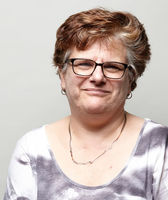
Dr Diana Balog
Radiologist
-
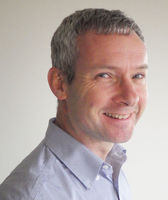
Dr Mark Barnes
Radiologist
-

Dr Damon Blair
Radiologist
-
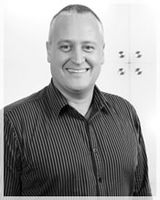
Dr Glenn Coltman
Radiologist
-

Dr Gavin Davis
Radiologist
-
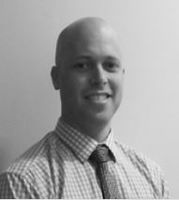
Dr Rory Davis
Radiologist
-
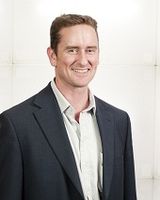
Dr John Dumble
Radiologist
-
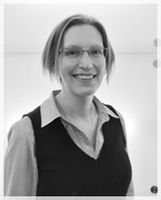
Dr Leigh Harvey
Radiologist
-
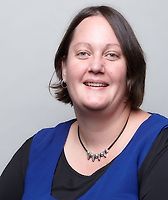
Dr Rebecca Hughes
Radiologist
-

Dr Andrew Klava
Radiologist
-
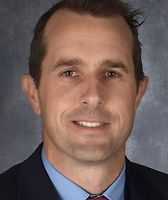
Dr Benjamin Moon
Radiologist
-
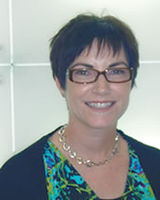
Dr Rosanne Newman
Radiologist
-

Dr Aideen Ni Mhuineachain
Radiologist
-
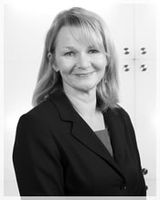
Dr Diane Sommerville
Radiologist
-

Dr Michael Swarbrick
Radiologist
Ages
Adult / Pakeke, Older adult / Kaumātua
How do I access this service?
Make an appointment, Referral
Fees and Charges Description
We are an affiliated provider with Southern Cross Health Insurance and NIB Healthcare.
Hours
| Mon | 9:30 AM – 2:30 PM |
|---|---|
| Fri | 9:30 AM – 2:30 PM |
Languages Spoken
English
Services Provided
DEXA (which stands for dual energy x-ray absorptiometry) scanning uses special x-rays to measure the density of your bones. The density of your bones will show how strong they are. The exposure to x-rays is very low and is similar to what you would receive on a long distance plane flight. What to expect? You will lie very still on a padded table for 5-10 minutes while the arm of the machine passes over the area to be measured (usually the lower spine and hip, although the forearm can also be measured). This is quite painless. You can remain in your normal clothing, although you may have to take off anything with large buttons, buckles or metal zips.
DEXA (which stands for dual energy x-ray absorptiometry) scanning uses special x-rays to measure the density of your bones. The density of your bones will show how strong they are. The exposure to x-rays is very low and is similar to what you would receive on a long distance plane flight. What to expect? You will lie very still on a padded table for 5-10 minutes while the arm of the machine passes over the area to be measured (usually the lower spine and hip, although the forearm can also be measured). This is quite painless. You can remain in your normal clothing, although you may have to take off anything with large buttons, buckles or metal zips.
DEXA (which stands for dual energy x-ray absorptiometry) scanning uses special x-rays to measure the density of your bones. The density of your bones will show how strong they are. The exposure to x-rays is very low and is similar to what you would receive on a long distance plane flight.
What to expect?
You will lie very still on a padded table for 5-10 minutes while the arm of the machine passes over the area to be measured (usually the lower spine and hip, although the forearm can also be measured). This is quite painless.
You can remain in your normal clothing, although you may have to take off anything with large buttons, buckles or metal zips.
Online Booking URL
Public Transport
70 Thames Connector, stops outside of the main hospital entrance which is a short walk to the bone density clinic.
Parking
Either at the hospital main entrance via Mackay Street which is a short walk away or outside the Thames Hospital outpatients clinic on Mary Street which is right next to the bone density clinic.
Contact Details
Thames Hospital
Waikato
-
Phone
0800 426 723
Email
Website
Thames Coromandel Bone Density Service, Manaaki Building, Thames Hospital Cnr Mary & Rolleston Streets
Thames
Waikato 3500
Street Address
Thames Coromandel Bone Density Service, Manaaki Building, Thames Hospital Cnr Mary & Rolleston Streets
Thames
Waikato 3500
Postal Address
PO Box 707
Thames 3540
Was this page helpful?
This page was last updated at 1:37PM on October 20, 2025. This information is reviewed and edited by I-MED Radiology - Thames.