
Hutt, Wellington > Private Hospitals & Specialists >
Boulcott Hospital - Urology
Private Surgical Service, Urology
Description
Boulcott Hospital is a 29-bed surgical hospital in Lower Hutt offering state-of-the-art facilities, leading surgeons, a comprehensive range of services and quality care.
Urology focuses on the urinary tracts of males and females, and on the reproductive system of males.
Our urological team includes surgeons, specialty nurses and support staff who are dedicated to providing excellent clinical management for a wide range of urological procedures.
Consultants
-

Dr Grant Russell
Urologist
-
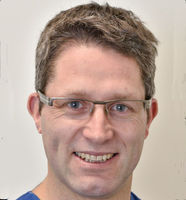
Mr Rod Studd
Urologist
Ages
Older adult / Kaumātua, Adult / Pakeke
Fees and Charges Categorisation
Fees apply
Fees and Charges Description
Click on the link for information about fees and accounts
Languages Spoken
English
Services Provided
Sling procedures are common surgical operations to stop stress incontinence. This is a condition where urine leaks out when movements, such as coughing, laughing or sneezing put pressure on the bladder. Stress incontinence occurs when the muscles supporting the urethra (tube that carries the urine out of the body) become weak and the urethra no longer works well as a valve to keep the urine in the bladder. Sometimes this results from the effects of childbirth. Sling procedures provide support to the weakened muscles so the urethra won’t accidentally release urine when there is pressure on the bladder. Burch Procedure (colposuspension) In the Burch procedure, permanent stitches are placed on both sides of the urethra to give it more support. The Burch procedure is done under a general anaesthetic (you sleep throughout the procedure) and can be performed by laparoscopic surgery. Natural or Biological Tissue Sling A sling from your own abdominal wall or from biological material of animal origin is used to lift the urethra.
Sling procedures are common surgical operations to stop stress incontinence. This is a condition where urine leaks out when movements, such as coughing, laughing or sneezing put pressure on the bladder. Stress incontinence occurs when the muscles supporting the urethra (tube that carries the urine out of the body) become weak and the urethra no longer works well as a valve to keep the urine in the bladder. Sometimes this results from the effects of childbirth. Sling procedures provide support to the weakened muscles so the urethra won’t accidentally release urine when there is pressure on the bladder. Burch Procedure (colposuspension) In the Burch procedure, permanent stitches are placed on both sides of the urethra to give it more support. The Burch procedure is done under a general anaesthetic (you sleep throughout the procedure) and can be performed by laparoscopic surgery. Natural or Biological Tissue Sling A sling from your own abdominal wall or from biological material of animal origin is used to lift the urethra.
Sling procedures are common surgical operations to stop stress incontinence. This is a condition where urine leaks out when movements, such as coughing, laughing or sneezing put pressure on the bladder. Stress incontinence occurs when the muscles supporting the urethra (tube that carries the urine out of the body) become weak and the urethra no longer works well as a valve to keep the urine in the bladder. Sometimes this results from the effects of childbirth. Sling procedures provide support to the weakened muscles so the urethra won’t accidentally release urine when there is pressure on the bladder.
Burch Procedure (colposuspension)
In the Burch procedure, permanent stitches are placed on both sides of the urethra to give it more support. The Burch procedure is done under a general anaesthetic (you sleep throughout the procedure) and can be performed by laparoscopic surgery.
Natural or Biological Tissue Sling
A sling from your own abdominal wall or from biological material of animal origin is used to lift the urethra.
Prostate cancer can be treated with localised radiotherapy by implanting small radioactive seeds into the prostate gland. The seeds are implanted using needles inserted through the perineum (the area between the scrotum and anus) while under spinal or general anaesthetic. Discharge from hospital is usually within 24 hours and normal activities can probably be resumed within 2 or 3 days.
Prostate cancer can be treated with localised radiotherapy by implanting small radioactive seeds into the prostate gland. The seeds are implanted using needles inserted through the perineum (the area between the scrotum and anus) while under spinal or general anaesthetic. Discharge from hospital is usually within 24 hours and normal activities can probably be resumed within 2 or 3 days.
Prostate cancer can be treated with localised radiotherapy by implanting small radioactive seeds into the prostate gland.
The seeds are implanted using needles inserted through the perineum (the area between the scrotum and anus) while under spinal or general anaesthetic.
Discharge from hospital is usually within 24 hours and normal activities can probably be resumed within 2 or 3 days.
The foreskin (flap of skin that covers the tip of the penis) may be removed for cultural, religious or medical reasons.
The foreskin (flap of skin that covers the tip of the penis) may be removed for cultural, religious or medical reasons.
The foreskin (flap of skin that covers the tip of the penis) may be removed for cultural, religious or medical reasons.
Incisions (cuts) are made in the abdomen (stomach) to allow access to your bladder. The vagina is lifted and attached to the pelvis wall, allowing the bladder neck to be supported, thus correcting urine leakage.
Incisions (cuts) are made in the abdomen (stomach) to allow access to your bladder. The vagina is lifted and attached to the pelvis wall, allowing the bladder neck to be supported, thus correcting urine leakage.
Incisions (cuts) are made in the abdomen (stomach) to allow access to your bladder. The vagina is lifted and attached to the pelvis wall, allowing the bladder neck to be supported, thus correcting urine leakage.
A long, thin tube with a tiny camera attached (cystoscope) is inserted into the urinary opening and through the urethra (the tube that carries urine from your bladder to the outside of your body) to your bladder. This allows the urologist to view any abnormalities in your lower urinary tract and, if necessary, take a small tissue sample to look at under the microscope (biopsy).
A long, thin tube with a tiny camera attached (cystoscope) is inserted into the urinary opening and through the urethra (the tube that carries urine from your bladder to the outside of your body) to your bladder. This allows the urologist to view any abnormalities in your lower urinary tract and, if necessary, take a small tissue sample to look at under the microscope (biopsy).
A long, thin tube with a tiny camera attached (cystoscope) is inserted into the urinary opening and through the urethra (the tube that carries urine from your bladder to the outside of your body) to your bladder. This allows the urologist to view any abnormalities in your lower urinary tract and, if necessary, take a small tissue sample to look at under the microscope (biopsy).
Incisions (cuts) are made in the side of the body, between the ribs and hip, to allow removal of one or both kidneys.
Incisions (cuts) are made in the side of the body, between the ribs and hip, to allow removal of one or both kidneys.
Incisions (cuts) are made in the side of the body, between the ribs and hip, to allow removal of one or both kidneys.
A tube is inserted into the kidney to allow urine to drain out. The tube may drain into a bag on the outside of your body (on your back) or may drain inside your body into the bladder.
A tube is inserted into the kidney to allow urine to drain out. The tube may drain into a bag on the outside of your body (on your back) or may drain inside your body into the bladder.
A tube is inserted into the kidney to allow urine to drain out. The tube may drain into a bag on the outside of your body (on your back) or may drain inside your body into the bladder.
A small incision (cut) is made in the groin on the side of the undescended testicle and the testicle pulled down into the scrotum. Sometimes a small cut will need to be made in the scrotum as well.
A small incision (cut) is made in the groin on the side of the undescended testicle and the testicle pulled down into the scrotum. Sometimes a small cut will need to be made in the scrotum as well.
A small incision (cut) is made in the groin on the side of the undescended testicle and the testicle pulled down into the scrotum. Sometimes a small cut will need to be made in the scrotum as well.
Scrotal: a small incision (cut) is made in the front of the scrotum and the testicles removed. This greatly reduces the amount of testosterone produced in the body. Inguinal: an incision is made in the groin to remove a testicle that: is undescended from childhood, has wasted away (atrophied), or has a tumour.
Scrotal: a small incision (cut) is made in the front of the scrotum and the testicles removed. This greatly reduces the amount of testosterone produced in the body. Inguinal: an incision is made in the groin to remove a testicle that: is undescended from childhood, has wasted away (atrophied), or has a tumour.
Scrotal: a small incision (cut) is made in the front of the scrotum and the testicles removed. This greatly reduces the amount of testosterone produced in the body.
Inguinal: an incision is made in the groin to remove a testicle that: is undescended from childhood, has wasted away (atrophied), or has a tumour.
A thin wire is inserted into your lower back and guided using x-ray imaging to your kidney. A small incision (cut) is then made on your back and a narrow tube is inserted and follows the guide wire to the kidney. The kidney stone(s) is then removed or broken up.
A thin wire is inserted into your lower back and guided using x-ray imaging to your kidney. A small incision (cut) is then made on your back and a narrow tube is inserted and follows the guide wire to the kidney. The kidney stone(s) is then removed or broken up.
A thin wire is inserted into your lower back and guided using x-ray imaging to your kidney. A small incision (cut) is then made on your back and a narrow tube is inserted and follows the guide wire to the kidney. The kidney stone(s) is then removed or broken up.
Incisions (cuts) are made in either the lower abdomen (stomach) or between the scrotum and the anus to allow removal of the enlarged parts of, or the entire, prostate gland.
Incisions (cuts) are made in either the lower abdomen (stomach) or between the scrotum and the anus to allow removal of the enlarged parts of, or the entire, prostate gland.
Incisions (cuts) are made in either the lower abdomen (stomach) or between the scrotum and the anus to allow removal of the enlarged parts of, or the entire, prostate gland.
A long, thin tube with a tiny camera attached (resectoscope) is inserted into the urinary opening, through the urethra and into the bladder. Instruments are passed through the resectoscope and the tumour removed.
A long, thin tube with a tiny camera attached (resectoscope) is inserted into the urinary opening, through the urethra and into the bladder. Instruments are passed through the resectoscope and the tumour removed.
A long, thin tube with a tiny camera attached (resectoscope) is inserted into the urinary opening, through the urethra and into the bladder. Instruments are passed through the resectoscope and the tumour removed.
A long, thin tube with a tiny camera attached (resectoscope) is inserted into the urinary opening of the penis and through the urethra (the tube that carries urine from your bladder to the outside of your body) to your bladder. The urologist is then able to view the prostate gland and, by passing an instrument through the resectoscope, is able to remove the part of the gland that has become enlarged.
A long, thin tube with a tiny camera attached (resectoscope) is inserted into the urinary opening of the penis and through the urethra (the tube that carries urine from your bladder to the outside of your body) to your bladder. The urologist is then able to view the prostate gland and, by passing an instrument through the resectoscope, is able to remove the part of the gland that has become enlarged.
A long, thin tube with a tiny camera attached (resectoscope) is inserted into the urinary opening of the penis and through the urethra (the tube that carries urine from your bladder to the outside of your body) to your bladder. The urologist is then able to view the prostate gland and, by passing an instrument through the resectoscope, is able to remove the part of the gland that has become enlarged.
An incision (cut) is made in the penis and the narrowed part of the urethra (the tube that carries urine to the outside of your body) is removed and the urethra rejoined. In balloon urethroplasty, a thin tube with a balloon attached is inserted into the opening of the penis. When it reaches the narrowed part of the urethra, the balloon is inflated, thus widening the urethra.
An incision (cut) is made in the penis and the narrowed part of the urethra (the tube that carries urine to the outside of your body) is removed and the urethra rejoined. In balloon urethroplasty, a thin tube with a balloon attached is inserted into the opening of the penis. When it reaches the narrowed part of the urethra, the balloon is inflated, thus widening the urethra.
An incision (cut) is made in the penis and the narrowed part of the urethra (the tube that carries urine to the outside of your body) is removed and the urethra rejoined. In balloon urethroplasty, a thin tube with a balloon attached is inserted into the opening of the penis. When it reaches the narrowed part of the urethra, the balloon is inflated, thus widening the urethra.
An incision (cut) is made in the penis and the narrowed part of the urethra (the tube that carries urine to the outside of your body) is removed and the urethra rejoined. In balloon urethroplasty, a thin tube with a balloon attached is inserted into the opening of the penis. When it reaches the narrowed part of the urethra, the balloon is inflated, thus widening the urethra.
An incision (cut) is made in the penis and the narrowed part of the urethra (the tube that carries urine to the outside of your body) is removed and the urethra rejoined. In balloon urethroplasty, a thin tube with a balloon attached is inserted into the opening of the penis. When it reaches the narrowed part of the urethra, the balloon is inflated, thus widening the urethra.
An incision (cut) is made in the penis and the narrowed part of the urethra (the tube that carries urine to the outside of your body) is removed and the urethra rejoined.
In balloon urethroplasty, a thin tube with a balloon attached is inserted into the opening of the penis. When it reaches the narrowed part of the urethra, the balloon is inflated, thus widening the urethra.
If a man decides he does not want to father children, he may choose to have a vasectomy which is a simple and effective method of sterilisation. During this surgical procedure, the vas deferens (the tubes carrying sperm from the testicles to the penis) are cut. A vasectomy can be carried out in a doctor's surgery and takes between 30 and 60 minutes.
If a man decides he does not want to father children, he may choose to have a vasectomy which is a simple and effective method of sterilisation. During this surgical procedure, the vas deferens (the tubes carrying sperm from the testicles to the penis) are cut. A vasectomy can be carried out in a doctor's surgery and takes between 30 and 60 minutes.
If a man decides he does not want to father children, he may choose to have a vasectomy which is a simple and effective method of sterilisation.
During this surgical procedure, the vas deferens (the tubes carrying sperm from the testicles to the penis) are cut. A vasectomy can be carried out in a doctor's surgery and takes between 30 and 60 minutes.
Visiting Hours
Visiting hours are between 8.00am and 8.00pm daily.
Refreshments
For those staying overnight we offer a choice of meals freshly prepared by our resident chef.
Parking
Parking is available for visitors in the grounds of the hospital. Please note this is limited to 90 minutes. If you are staying longer please speak to one of our reception team and they will extend this time limit for you.
Pharmacy
Find the nearest pharmacy here.
Website

Contact Details
Boulcott Hospital
Hutt
-
Phone
(04) 569 7555
Healthlink EDI
boulcott
Email
Website
666 High Street
Boulcott
Lower Hutt
Wellington 5010
Street Address
666 High Street
Boulcott
Lower Hutt
Wellington 5010
Postal Address
PO Box 31 459
Lower Hutt 5040
Wellington
New Zealand
Was this page helpful?
This page was last updated at 8:19AM on September 26, 2025. This information is reviewed and edited by Boulcott Hospital - Urology.