
South Auckland, East Auckland > Public Hospital Services > Health New Zealand | Te Whatu Ora - Counties Manukau >
Cardiology | Counties Manukau
Public Service, Cardiology
Description
What is Cardiology?
Cardiology is the specialty within medicine that looks at the heart and blood vessels. Your heart consists of four chambers, which are responsible for pumping blood to your lungs and then the rest of your body. The study of the heart includes the heart muscle (the myocardium), the valves within the heart between the chambers, the blood vessels that supply blood (and hence oxygen and nutrients) to the heart muscle, and the electrical system of the heart which is what controls the heart rate.
Cardiology Services Provided by Counties Manukau Health
Cardiology services are provided at Middlemore Hospital, Manukau SuperClinic™ and Botany SuperClinic™.
Consultants
Note: Please note below that some people are not available at all locations.
-

Dr Peter Barr
Interventional Cardiologist
Available at Middlemore Hospital, Manukau SuperClinic™
-

Dr Andrew Borrie
Interventional Cardiologist
Available at Middlemore Hospital, Manukau SuperClinic™
-

Dr Kok Lam Chow
Interventional Cardiologist
Available at Middlemore Hospital, Manukau SuperClinic™
-

Dr Ruvin Gabriel
Cardiologist
Available at Middlemore Hospital, Manukau SuperClinic™
-

Dr Wil Harrison
Interventional Cardiologist
Available at Middlemore Hospital, Manukau SuperClinic™
-

Dr David Heaven
Cardiologist / Cardiac Electrophysiologist
Available at Middlemore Hospital, Manukau SuperClinic™
-

Dr Patrick Kay
Interventional Cardiologist
Available at Middlemore Hospital, Botany SuperClinic™
-

Dr Andrew Kerr
Associate Professor - Cardiologist
Available at Middlemore Hospital, Manukau SuperClinic™
-

Dr Jen-Li Looi
Cardiologist
Available at Middlemore Hospital, Manukau SuperClinic™
-

Dr Mayanna Lund
Cardiologist - Clinical Head of Department
Available at Middlemore Hospital, Manukau SuperClinic™
-

Dr Mariana Macedo Lamacie
Cardiologist
Available at Middlemore Hospital, Manukau SuperClinic™
-

Dr Douglas Scott
Interventional Cardiologist
Available at Middlemore Hospital, Manukau SuperClinic™
-
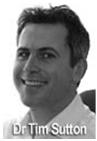
Dr Timothy Sutton
Cardiologist
Available at Middlemore Hospital, Manukau SuperClinic™
-

Dr Mansi Turaga
Cardiologist
Available at Middlemore Hospital, Manukau SuperClinic™
-

Dr Jamie Voss
Cardiologist / Cardiac Electrophysiologist
Available at Middlemore Hospital, Manukau SuperClinic™
-

Dr Woo Voss
Cardiologist
Available at Manukau SuperClinic™
-

Dr Selwyn Wong
Cardiologist
Available at Middlemore Hospital, Manukau SuperClinic™
Referral Expectations
Your GP will send a referral letter to the Department explaining your condition. Your appointment time will be prioritised on your health need and an appointment time will be sent directly to you. The appointment will be in the outpatient clinic.
You may be sent a questionnaire prior to your clinic visit to assist us with making a diagnosis and determining if any tests need to be done prior to you seeing a specialist.
You will be assessed by specialised doctors. Recommendations and options regarding your future treatment plan will be discussed with you.
You need to bring to your appointment:
- Any letters or reports from your doctor or another hospital.
- Any X-Rays, CT or MRI films and reports.
- All medicines you are currently taking including herbal and natural remedies.
- Your pharmaceutical entitlement card.
Services provided at Middlemore Hospital include:
- Coronary angiography
- Coronary angioplasty
- CT coronary angiography
- Coronary Care Unit and the Step Down Unit
- Cardiology Ward (Ward 2)
- Echocardiography (transthoracic, transoesophageal and stress)
- Magnetic Resonance Imaging (MRI)
- Exercise testing
- Tilt table testing
- Holter monitoring
- Pacemaker insertion and follow-up clinic
- Cardiac rehabilitation
- Cardioversion
Outpatient Clinics for patients referred by their GP are held at the Manukau and Botany SuperClinics™ and provide:
- Outpatient consulting
- Outpatient echocardiography
- Outpatient exercise testing
Fees and Charges Description
There are no charges for services to public patients if you are lawfully in New Zealand and meet one of the Eligibility Directions specified criteria set by the Ministry of Health. If you do not meet the criteria, you will be required to pay for the full costs of any medical treatment you receive during your stay.
To check whether you meet the specified eligibility criteria, visit the Ministry of Health website.
For any applicable charges, please phone the Accounts Receivable Office on (09) 276 0060.
Common Conditions / Procedures / Treatments
Click on the following links to open more information for patients on Cardiac Rehabilitation Healthy Heart programmes: Cardiac Rehabilitation Flyer Manukau SuperClinic Healthy Heart Programme 2020 Pukekohe Programme 2020
Click on the following links to open more information for patients on Cardiac Rehabilitation Healthy Heart programmes: Cardiac Rehabilitation Flyer Manukau SuperClinic Healthy Heart Programme 2020 Pukekohe Programme 2020
Click on the following links to open more information for patients on Cardiac Rehabilitation Healthy Heart programmes:
- Cardiac Rehabilitation Flyer
- Manukau SuperClinic Healthy Heart Programme 2020
- Pukekohe Programme 2020
- Cardiac Rehabilitation Flyer (PDF, 396.3 KB)
- Manukau SuperClinic Health Heart Programme 2020 (DOCX, 37.3 KB)
- Pukekohe Programme 2020 (DOCX, 38.3 KB)
Note: PDF downloads require the free Adobe Reader application to view.
Once the angiogram reveals the exact nature of the problem, decisions can be made on the best form of treatment. Angioplasty usually involves opening the narrowed areas with a tiny balloon and then the insertion of a fine metallic mesh tube called a coronary stent. Special drug-eluting stents have expanded the range and number of narrowings that can be successfully treated. Regardless, there are some narrowings which will still be best treated using coronary bypass surgery. Angiography and angioplasty do not require a general anaesthetic. People are admitted to hospital on the day of the procedure and may be discharged in the late afternoon or stay overnight.
Once the angiogram reveals the exact nature of the problem, decisions can be made on the best form of treatment. Angioplasty usually involves opening the narrowed areas with a tiny balloon and then the insertion of a fine metallic mesh tube called a coronary stent. Special drug-eluting stents have expanded the range and number of narrowings that can be successfully treated. Regardless, there are some narrowings which will still be best treated using coronary bypass surgery. Angiography and angioplasty do not require a general anaesthetic. People are admitted to hospital on the day of the procedure and may be discharged in the late afternoon or stay overnight.
Service types: Coronary angioplasty and stenting.
Once the angiogram reveals the exact nature of the problem, decisions can be made on the best form of treatment. Angioplasty usually involves opening the narrowed areas with a tiny balloon and then the insertion of a fine metallic mesh tube called a coronary stent.
Special drug-eluting stents have expanded the range and number of narrowings that can be successfully treated. Regardless, there are some narrowings which will still be best treated using coronary bypass surgery.
Angiography and angioplasty do not require a general anaesthetic. People are admitted to hospital on the day of the procedure and may be discharged in the late afternoon or stay overnight.
Cardiology blood tests help doctors check for heart disease, monitor risk factors, and assess how well the heart is working. Some tests check for damage right now (like troponin), while others check your long-term risks (like cholesterol and blood sugar) or stress on the heart (like BNP).
Cardiology blood tests help doctors check for heart disease, monitor risk factors, and assess how well the heart is working. Some tests check for damage right now (like troponin), while others check your long-term risks (like cholesterol and blood sugar) or stress on the heart (like BNP).
Cardiology blood tests help doctors check for heart disease, monitor risk factors, and assess how well the heart is working. Some tests check for damage right now (like troponin), while others check your long-term risks (like cholesterol and blood sugar) or stress on the heart (like BNP).
Heart rhythm refers to the electrical source that is driving the heart rate and whether or not it is regular or irregular. Heart rhythm can be affected by a number of conditions. Some common terms Sinus rhythm is the normal rhythm Arrhythmia means abnormal rhythm Fibrillation means irregular rhythm or quivering of one part of the heart Bradycardia means slow heart rate Tachycardia means fast heart rate Paroxysmal means the arrhythmia comes and goes Tachycardia The most common form of this is atrial fibrillation. This is where the heart rhythm is irregular and often too fast. Symptoms include fatigue, palpitations (where you are aware of your heart racing or pounding), dizziness and breathlessness. Other tachycardias include supraventricular tachycardia (SVT) or ventricular tachycardia (VT). These have similar symptoms as atrial fibrillation but can also cause you to lose consciousness (faint). Bradycardia The most common form of this is called heart block. This is because messages from the electrical generator of the heart don't get through efficiently to the rest of the heart and hence it goes very slowly or can pause. Symptoms of the heart going too slowly include feeling tired, breathless or fainting. Tests Tests to diagnose what sort of arrhythmia you have include an electrocardiogram (ECG) and an ambulatory ECG (Holter monitor or Event recorder). Treatment Most treatments for tachycardias consist of medication to stop the abnormal rhythm or make it slower if and when it occurs. Atrial fibrillation, if you have other problems, can increase your risk of stroke so blood-thinning medication is often used as well. If you have bradycardia, you may be referred to the surgeons for a pacemaker. This is a small operation where a battery powered device is placed under the skin with wires that lead to your heart and provide it with electrical stimulation to prevent it from going too slowly. You can't feel it doing this but will be aware of a small flat lump under your skin just below your collar bone.
Heart rhythm refers to the electrical source that is driving the heart rate and whether or not it is regular or irregular. Heart rhythm can be affected by a number of conditions. Some common terms Sinus rhythm is the normal rhythm Arrhythmia means abnormal rhythm Fibrillation means irregular rhythm or quivering of one part of the heart Bradycardia means slow heart rate Tachycardia means fast heart rate Paroxysmal means the arrhythmia comes and goes Tachycardia The most common form of this is atrial fibrillation. This is where the heart rhythm is irregular and often too fast. Symptoms include fatigue, palpitations (where you are aware of your heart racing or pounding), dizziness and breathlessness. Other tachycardias include supraventricular tachycardia (SVT) or ventricular tachycardia (VT). These have similar symptoms as atrial fibrillation but can also cause you to lose consciousness (faint). Bradycardia The most common form of this is called heart block. This is because messages from the electrical generator of the heart don't get through efficiently to the rest of the heart and hence it goes very slowly or can pause. Symptoms of the heart going too slowly include feeling tired, breathless or fainting. Tests Tests to diagnose what sort of arrhythmia you have include an electrocardiogram (ECG) and an ambulatory ECG (Holter monitor or Event recorder). Treatment Most treatments for tachycardias consist of medication to stop the abnormal rhythm or make it slower if and when it occurs. Atrial fibrillation, if you have other problems, can increase your risk of stroke so blood-thinning medication is often used as well. If you have bradycardia, you may be referred to the surgeons for a pacemaker. This is a small operation where a battery powered device is placed under the skin with wires that lead to your heart and provide it with electrical stimulation to prevent it from going too slowly. You can't feel it doing this but will be aware of a small flat lump under your skin just below your collar bone.
Heart rhythm refers to the electrical source that is driving the heart rate and whether or not it is regular or irregular. Heart rhythm can be affected by a number of conditions.
Some common terms
- Sinus rhythm is the normal rhythm
- Arrhythmia means abnormal rhythm
- Fibrillation means irregular rhythm or quivering of one part of the heart
- Bradycardia means slow heart rate
- Tachycardia means fast heart rate
- Paroxysmal means the arrhythmia comes and goes
Tachycardia
The most common form of this is atrial fibrillation. This is where the heart rhythm is irregular and often too fast. Symptoms include fatigue, palpitations (where you are aware of your heart racing or
pounding), dizziness and breathlessness.
Other tachycardias include supraventricular tachycardia (SVT) or ventricular tachycardia (VT). These have similar symptoms as atrial fibrillation but can also cause you to lose consciousness (faint).
Bradycardia
The most common form of this is called heart block. This is because messages from the electrical generator of the heart don't get through efficiently to the rest of the heart and hence it goes very slowly or can pause. Symptoms of the heart going too slowly include feeling tired, breathless or fainting.
Tests
Tests to diagnose what sort of arrhythmia you have include an electrocardiogram (ECG) and an ambulatory ECG (Holter monitor or Event recorder).
Treatment
Most treatments for tachycardias consist of medication to stop the abnormal rhythm or make it slower if and when it occurs. Atrial fibrillation, if you have other problems, can increase your risk of stroke so blood-thinning medication is often used as well.
If you have bradycardia, you may be referred to the surgeons for a pacemaker. This is a small operation where a battery powered device is placed under the skin with wires that lead to your heart and provide it with electrical stimulation to prevent it from going too slowly. You can't feel it doing this but will be aware of a small flat lump under your skin just below your collar bone.
Cardiovascular disease is a general term for any condition that affects the heart or blood vessels. Common types of cardiovascular disease include: Coronary artery disease – narrowing or blockage of the arteries that supply the heart, which can lead to chest pain or heart attack. Heart failure – when the heart can’t pump blood effectively. Arrhythmias – abnormal heart rhythms. Stroke – damage to the brain caused by blocked or burst blood vessels. Peripheral artery disease – narrowing of arteries in the legs or arms. Heart valve problems – issues with valves that control blood flow through the heart. Risk factors: High blood pressure High cholesterol Smoking Diabetes Obesity Family history of heart disease Are older (your risk increases as you get older)
Cardiovascular disease is a general term for any condition that affects the heart or blood vessels. Common types of cardiovascular disease include: Coronary artery disease – narrowing or blockage of the arteries that supply the heart, which can lead to chest pain or heart attack. Heart failure – when the heart can’t pump blood effectively. Arrhythmias – abnormal heart rhythms. Stroke – damage to the brain caused by blocked or burst blood vessels. Peripheral artery disease – narrowing of arteries in the legs or arms. Heart valve problems – issues with valves that control blood flow through the heart. Risk factors: High blood pressure High cholesterol Smoking Diabetes Obesity Family history of heart disease Are older (your risk increases as you get older)
Cardiovascular disease is a general term for any condition that affects the heart or blood vessels.
Common types of cardiovascular disease include:
- Coronary artery disease – narrowing or blockage of the arteries that supply the heart, which can lead to chest pain or heart attack.
- Heart failure – when the heart can’t pump blood effectively.
- Arrhythmias – abnormal heart rhythms.
- Stroke – damage to the brain caused by blocked or burst blood vessels.
- Peripheral artery disease – narrowing of arteries in the legs or arms.
- Heart valve problems – issues with valves that control blood flow through the heart.
Risk factors:
- High blood pressure
- High cholesterol
- Smoking
- Diabetes
- Obesity
- Family history of heart disease
- Are older (your risk increases as you get older)
This test is performed by a cardiologist in a sterile operating theatre environment. Most people will need to have routine tests before the procedure. These tests may require separate appointments and are usually planned the day before or the day of the procedure. You will be asked not to eat or drink after midnight the evening before the procedure. You are not given a general anaesthetic but may have some medication to relax you if needed. Local anaesthetic is put into an area of skin to the side of your groin or in your arm. A needle and then tube are fed into an artery here and advanced through the blood vessels to the heart. Dye is then injected so that the heart and blood vessels can be seen on X-ray. X-rays and measurements are then taken giving the doctors information about the state of your heart and the exact nature of any narrowed blood vessels. This allows them to plan the best form of treatment to prevent heart attacks and control any symptoms you may have. After the procedure you will have to lay flat for several hours to prevent bleeding.
This test is performed by a cardiologist in a sterile operating theatre environment. Most people will need to have routine tests before the procedure. These tests may require separate appointments and are usually planned the day before or the day of the procedure. You will be asked not to eat or drink after midnight the evening before the procedure. You are not given a general anaesthetic but may have some medication to relax you if needed. Local anaesthetic is put into an area of skin to the side of your groin or in your arm. A needle and then tube are fed into an artery here and advanced through the blood vessels to the heart. Dye is then injected so that the heart and blood vessels can be seen on X-ray. X-rays and measurements are then taken giving the doctors information about the state of your heart and the exact nature of any narrowed blood vessels. This allows them to plan the best form of treatment to prevent heart attacks and control any symptoms you may have. After the procedure you will have to lay flat for several hours to prevent bleeding.
This test is performed by a cardiologist in a sterile operating theatre environment.
Most people will need to have routine tests before the procedure. These tests may require separate appointments and are usually planned the day before or the day of the procedure. You will be asked not to eat or drink after midnight the evening before the procedure.
You are not given a general anaesthetic but may have some medication to relax you if needed. Local anaesthetic is put into an area of skin to the side of your groin or in your arm. A needle and then tube are fed into an artery here and advanced through the blood vessels to the heart. Dye is then injected so that the heart and blood vessels can be seen on X-ray. X-rays and measurements are then taken giving the doctors information about the state of your heart and the exact nature of any narrowed blood vessels. This allows them to plan the best form of treatment to prevent heart attacks and control any symptoms you may have.
After the procedure you will have to lay flat for several hours to prevent bleeding.
The Coronary Care Unit (CCU) is where intensive investigation, monitoring and treatment for cardiac patients occurs. The Step Down Unit is a unit that provides an intermediary level of care between the intensive CCU and the ward. It is for those patients who do not need the intensive care of the CCU but who require more monitoring etc than provided in general wards.
The Coronary Care Unit (CCU) is where intensive investigation, monitoring and treatment for cardiac patients occurs. The Step Down Unit is a unit that provides an intermediary level of care between the intensive CCU and the ward. It is for those patients who do not need the intensive care of the CCU but who require more monitoring etc than provided in general wards.
The Coronary Care Unit (CCU) is where intensive investigation, monitoring and treatment for cardiac patients occurs.
The Step Down Unit is a unit that provides an intermediary level of care between the intensive CCU and the ward. It is for those patients who do not need the intensive care of the CCU but who require more monitoring etc than provided in general wards.
CT coronary angiography at Counties Manukau Health is performed using a modern CT scanner developed specifically to provide accurate images of the coronary arteries around the heart. We are able to detect the build up of plaque or thickening within the arteries and determine if there are any significant blockages. The test is best suited when we need to rule out coronary artery disease. We most commonly perform the test in patients that we have seen through our chest pain clinic when initial tests like the exercise treadmill test have not been conclusive. The test is performed in the CT Department at Middlemore Hospital. You may need to take a medication called a beta-blocker to slow the heart before the scan. The appointment time takes between 1-2 hours and you can drive afterwards. It is a safe test with low levels of x-ray radiation used and you will be monitored to ensure there are no side effects from the x-ray contrast/dye that we use. The scan is reported by a cardiologist and a radiologist and the specialist who has referred you for the test will then arrange the follow up required.
CT coronary angiography at Counties Manukau Health is performed using a modern CT scanner developed specifically to provide accurate images of the coronary arteries around the heart. We are able to detect the build up of plaque or thickening within the arteries and determine if there are any significant blockages. The test is best suited when we need to rule out coronary artery disease. We most commonly perform the test in patients that we have seen through our chest pain clinic when initial tests like the exercise treadmill test have not been conclusive. The test is performed in the CT Department at Middlemore Hospital. You may need to take a medication called a beta-blocker to slow the heart before the scan. The appointment time takes between 1-2 hours and you can drive afterwards. It is a safe test with low levels of x-ray radiation used and you will be monitored to ensure there are no side effects from the x-ray contrast/dye that we use. The scan is reported by a cardiologist and a radiologist and the specialist who has referred you for the test will then arrange the follow up required.
CT coronary angiography at Counties Manukau Health is performed using a modern CT scanner developed specifically to provide accurate images of the coronary arteries around the heart. We are able to detect the build up of plaque or thickening within the arteries and determine if there are any significant blockages.
The test is best suited when we need to rule out coronary artery disease. We most commonly perform the test in patients that we have seen through our chest pain clinic when initial tests like the exercise treadmill test have not been conclusive.
The test is performed in the CT Department at Middlemore Hospital. You may need to take a medication called a beta-blocker to slow the heart before the scan. The appointment time takes between 1-2 hours and you can drive afterwards. It is a safe test with low levels of x-ray radiation used and you will be monitored to ensure there are no side effects from the x-ray contrast/dye that we use.
The scan is reported by a cardiologist and a radiologist and the specialist who has referred you for the test will then arrange the follow up required.
Echocardiography (or cardiac ultrasound) is a test that uses high frequency sound waves to generate pictures of your heart. During the test, you generally lie on your back, gel is applied to your skin and a technician then moves the small, plastic transducer over your chest. The test is painless and can take from 10 minutes to an hour. The machine then develops images of your heart which are seen on a monitor. This is referred to as an echocardiogram. Echocardiography can help in the diagnosis of many heart problems including cardiovascular disease, previous heart attacks, valve disorders, weakened heart muscle, holes between heart chambers, fluid around the heart (pericardial effusion). If doctors are looking for evidence of coronary artery disease, they may perform variations of this test which include: Exercise echocardiography - compares how your heart works when stressed by exercise versus when it is at rest. The ultrasound is conducted before you exercise and immediately after you stop. Either a stationary bicycle or standard treadmill is used. Dobutamine stress echocardiography - if you’re unable to exercise for the above test, you might be given medication to simulate the effects of exercise. During this test, an echocardiogram initially is performed when you’re at rest. Then dobutamine is given to you via a needle into a vein in your arm. Its effect is to make your heart work harder and faster just like with exercise. After it has taken effect, the echocardiogram is repeated. The effect wears off very quickly.
Echocardiography (or cardiac ultrasound) is a test that uses high frequency sound waves to generate pictures of your heart. During the test, you generally lie on your back, gel is applied to your skin and a technician then moves the small, plastic transducer over your chest. The test is painless and can take from 10 minutes to an hour. The machine then develops images of your heart which are seen on a monitor. This is referred to as an echocardiogram. Echocardiography can help in the diagnosis of many heart problems including cardiovascular disease, previous heart attacks, valve disorders, weakened heart muscle, holes between heart chambers, fluid around the heart (pericardial effusion). If doctors are looking for evidence of coronary artery disease, they may perform variations of this test which include: Exercise echocardiography - compares how your heart works when stressed by exercise versus when it is at rest. The ultrasound is conducted before you exercise and immediately after you stop. Either a stationary bicycle or standard treadmill is used. Dobutamine stress echocardiography - if you’re unable to exercise for the above test, you might be given medication to simulate the effects of exercise. During this test, an echocardiogram initially is performed when you’re at rest. Then dobutamine is given to you via a needle into a vein in your arm. Its effect is to make your heart work harder and faster just like with exercise. After it has taken effect, the echocardiogram is repeated. The effect wears off very quickly.
Echocardiography (or cardiac ultrasound) is a test that uses high frequency sound waves to generate pictures of your heart. During the test, you generally lie on your back, gel is applied to your skin and a technician then moves the small, plastic transducer over your chest. The test is painless and can take from 10 minutes to an hour.
The machine then develops images of your heart which are seen on a monitor. This is referred to as an echocardiogram.
Echocardiography can help in the diagnosis of many heart problems including cardiovascular disease, previous heart attacks, valve disorders, weakened heart muscle, holes between heart chambers, fluid around the heart (pericardial effusion).
If doctors are looking for evidence of coronary artery disease, they may perform variations of this test which include:
- Exercise echocardiography - compares how your heart works when stressed by exercise versus when it is at rest. The ultrasound is conducted before you exercise and immediately after you stop. Either a stationary bicycle or standard treadmill is used.
- Dobutamine stress echocardiography - if you’re unable to exercise for the above test, you might be given medication to simulate the effects of exercise. During this test, an echocardiogram initially is performed when you’re at rest. Then dobutamine is given to you via a needle into a vein in your arm. Its effect is to make your heart work harder and faster just like with exercise. After it has taken effect, the echocardiogram is repeated. The effect wears off very quickly.
An ECG is a recording of your heart's electrical activity. Electrode patches are attached to your skin to measure the electrical impulses given off by your heart. The result is a trace that can be read by a doctor. It can give information of previous heart attacks or problems with the heart rhythm. Ambulatory ECG - this can be performed with a Holter monitor which monitors your heart for rhythm abnormalities during normal activity for an uninterrupted 24-hour period. During the test, electrodes attached to your chest are connected to a portable recorder - about the size of a paperback book - that's attached to your belt or hung from a shoulder strap. Another form of ambulatory ECG test is an Event recorder which covers 1-2 weeks. You wear a monitor (much smaller than a Holter monitor) and if you have any symptoms, such as dizziness, you press a button on a recording device which saves the recording of your heart rhythm made in the minutes leading up to and during your symptoms. Because you can wear this for a longer period of time it has a higher rate of catching your abnormal rhythm.
An ECG is a recording of your heart's electrical activity. Electrode patches are attached to your skin to measure the electrical impulses given off by your heart. The result is a trace that can be read by a doctor. It can give information of previous heart attacks or problems with the heart rhythm. Ambulatory ECG - this can be performed with a Holter monitor which monitors your heart for rhythm abnormalities during normal activity for an uninterrupted 24-hour period. During the test, electrodes attached to your chest are connected to a portable recorder - about the size of a paperback book - that's attached to your belt or hung from a shoulder strap. Another form of ambulatory ECG test is an Event recorder which covers 1-2 weeks. You wear a monitor (much smaller than a Holter monitor) and if you have any symptoms, such as dizziness, you press a button on a recording device which saves the recording of your heart rhythm made in the minutes leading up to and during your symptoms. Because you can wear this for a longer period of time it has a higher rate of catching your abnormal rhythm.
An ECG is a recording of your heart's electrical activity. Electrode patches are attached to your skin to measure the electrical impulses given off by your heart. The result is a trace that can be read by a doctor. It can give information of previous heart attacks or problems with the heart rhythm.
Ambulatory ECG - this can be performed with a Holter monitor which monitors your heart for rhythm abnormalities during normal activity for an uninterrupted 24-hour period. During the test, electrodes attached to your chest are connected to a portable recorder - about the size of a paperback book - that's attached to your belt or hung from a shoulder strap.
Another form of ambulatory ECG test is an Event recorder which covers 1-2 weeks. You wear a monitor (much smaller than a Holter monitor) and if you have any symptoms, such as dizziness, you press a button on a recording device which saves the recording of your heart rhythm made in the minutes leading up to and during your symptoms. Because you can wear this for a longer period of time it has a higher rate of catching your abnormal rhythm.
An ECG done when you are resting may be normal even when you have cardiovascular disease. During an exercise ECG the heart is made to work harder so that if there is any narrowing of the blood vessels resulting in poor blood supply it is more likely to be picked up on the tracing as your heart goes faster. For this test you have to work harder which involves walking on a treadmill while your heart is monitored. The treadmill gets faster with time but you can stop at anytime. This test is supervised and interpreted by a doctor as you go. This test is used to see if you have any evidence of cardiovascular disease and can give the doctor some idea as to how severe it might be so as to direct further tests and possible treatment.
An ECG done when you are resting may be normal even when you have cardiovascular disease. During an exercise ECG the heart is made to work harder so that if there is any narrowing of the blood vessels resulting in poor blood supply it is more likely to be picked up on the tracing as your heart goes faster. For this test you have to work harder which involves walking on a treadmill while your heart is monitored. The treadmill gets faster with time but you can stop at anytime. This test is supervised and interpreted by a doctor as you go. This test is used to see if you have any evidence of cardiovascular disease and can give the doctor some idea as to how severe it might be so as to direct further tests and possible treatment.
An ECG done when you are resting may be normal even when you have cardiovascular disease. During an exercise ECG the heart is made to work harder so that if there is any narrowing of the blood vessels resulting in poor blood supply it is more likely to be picked up on the tracing as your heart goes faster. For this test you have to work harder which involves walking on a treadmill while your heart is monitored. The treadmill gets faster with time but you can stop at anytime. This test is supervised and interpreted by a doctor as you go. This test is used to see if you have any evidence of cardiovascular disease and can give the doctor some idea as to how severe it might be so as to direct further tests and possible treatment.
Heart failure refers to the heart failing to pump efficiently. There are many diseases that cause this including cardiovascular disease, high blood pressure, viral infections, alcohol, and diseases affecting the valves of the heart. When the heart is inefficient a number of symptoms occur depending on the cause and severity of the condition. The main symptoms are tiredness, breathlessness on exertion or lying flat, and ankle swelling. Doctors often refer to oedema, which means fluid retention usually in your feet or lungs as a result of the heart not pumping efficiently. Tests looking for possible causes of heart failure include: Chest x-ray, Electrocardiogram (ECG), Echocardiogram (Cardiac ultrasound), Angiogram. You are likely to be given several medications over time, started and monitored by your cardiologist and GP. These include medication to control the amount of fluid that builds up (diuretics), medication to protect your heart and slow it down as well as to thin your blood. You will often be referred to a dietitian or given advice about restricting the amount of fluid and salt you take as this can contribute to symptoms.
Heart failure refers to the heart failing to pump efficiently. There are many diseases that cause this including cardiovascular disease, high blood pressure, viral infections, alcohol, and diseases affecting the valves of the heart. When the heart is inefficient a number of symptoms occur depending on the cause and severity of the condition. The main symptoms are tiredness, breathlessness on exertion or lying flat, and ankle swelling. Doctors often refer to oedema, which means fluid retention usually in your feet or lungs as a result of the heart not pumping efficiently. Tests looking for possible causes of heart failure include: Chest x-ray, Electrocardiogram (ECG), Echocardiogram (Cardiac ultrasound), Angiogram. You are likely to be given several medications over time, started and monitored by your cardiologist and GP. These include medication to control the amount of fluid that builds up (diuretics), medication to protect your heart and slow it down as well as to thin your blood. You will often be referred to a dietitian or given advice about restricting the amount of fluid and salt you take as this can contribute to symptoms.
Heart failure refers to the heart failing to pump efficiently. There are many diseases that cause this including cardiovascular disease, high blood pressure, viral infections, alcohol, and diseases affecting the valves of the heart. When the heart is inefficient a number of symptoms occur depending on the cause and severity of the condition. The main symptoms are tiredness, breathlessness on exertion or lying flat, and ankle swelling. Doctors often refer to oedema, which means fluid retention usually in your feet or lungs as a result of the heart not pumping efficiently.
Tests looking for possible causes of heart failure include: Chest x-ray, Electrocardiogram (ECG), Echocardiogram (Cardiac ultrasound), Angiogram.
You are likely to be given several medications over time, started and monitored by your cardiologist and GP. These include medication to control the amount of fluid that builds up (diuretics), medication to protect your heart and slow it down as well as to thin your blood. You will often be referred to a dietitian or given advice about restricting the amount of fluid and salt you take as this can contribute to symptoms.
Your heart consists of four chambers that receive and send blood to the lungs and body. Disorders affecting valves can either cause stenosis (a narrowing) or regurgitation (leakage after the valve has closed). Depending on what valve is involved and how severe the damage is it may result in symptoms of heart failure, as it makes the heart pump inefficiently. Suspicion of a heart valve problem is usually picked up by your doctor when they listen to your heart and hear a murmur. A murmur is heard with the stethoscope and is turbulence of blood flow that occurs through a narrowed or leaky valve. Not all heart murmurs mean serious problems but are best investigated further. The echocardiogram is the main test to diagnose what valve is involved and how severe it is. Treatment depends on the type and severity of the valve lesion. You may simply be monitored over years to see if anything changes. Some conditions require medication to thin the blood or treat any complicating heart problems. You may be referred to a heart surgeon for consideration of a valve replacement or dilatation of a narrowed valve.
Your heart consists of four chambers that receive and send blood to the lungs and body. Disorders affecting valves can either cause stenosis (a narrowing) or regurgitation (leakage after the valve has closed). Depending on what valve is involved and how severe the damage is it may result in symptoms of heart failure, as it makes the heart pump inefficiently. Suspicion of a heart valve problem is usually picked up by your doctor when they listen to your heart and hear a murmur. A murmur is heard with the stethoscope and is turbulence of blood flow that occurs through a narrowed or leaky valve. Not all heart murmurs mean serious problems but are best investigated further. The echocardiogram is the main test to diagnose what valve is involved and how severe it is. Treatment depends on the type and severity of the valve lesion. You may simply be monitored over years to see if anything changes. Some conditions require medication to thin the blood or treat any complicating heart problems. You may be referred to a heart surgeon for consideration of a valve replacement or dilatation of a narrowed valve.
Your heart consists of four chambers that receive and send blood to the lungs and body.
Disorders affecting valves can either cause stenosis (a narrowing) or regurgitation (leakage after the valve has closed). Depending on what valve is involved and how severe the damage is it may result in symptoms of heart failure, as it makes the heart pump inefficiently.
Suspicion of a heart valve problem is usually picked up by your doctor when they listen to your heart and hear a murmur. A murmur is heard with the stethoscope and is turbulence of blood flow that occurs through a narrowed or leaky valve. Not all heart murmurs mean serious problems but are best investigated further.
The echocardiogram is the main test to diagnose what valve is involved and how severe it is.
Treatment depends on the type and severity of the valve lesion. You may simply be monitored over years to see if anything changes. Some conditions require medication to thin the blood or treat any complicating heart problems. You may be referred to a heart surgeon for consideration of a valve replacement or dilatation of a narrowed valve.
The Heart Foundation is the charity that works to stop New Zealanders dying prematurely from heart disease. They are committed to funding vital research, promoting heart healthy lifestyles and advancing cardiac care in this country. Click on the following link to open heart health patient information from The Heart Foundation - https://www.heartfoundation.org.nz/
The Heart Foundation is the charity that works to stop New Zealanders dying prematurely from heart disease. They are committed to funding vital research, promoting heart healthy lifestyles and advancing cardiac care in this country. Click on the following link to open heart health patient information from The Heart Foundation - https://www.heartfoundation.org.nz/
The Heart Foundation is the charity that works to stop New Zealanders dying prematurely from heart disease. They are committed to funding vital research, promoting heart healthy lifestyles and advancing cardiac care in this country.
Click on the following link to open heart health patient information from The Heart Foundation - https://www.heartfoundation.org.nz/
Visiting Hours
Ward 2 visiting times are between 2pm and 8pm.
Children are welcome, but must be supervised by an adult.
Other
Charge Nurses
Ronita Narayan - Ward 2
Jill Gilmore - Coronary Care Unit
Sandi Graham - Cath Lab
Cardiac Investigation Charges
Kirsten Jacobsen - Charge Physiologist/Technician
Rathibala Natarajan - Charge Cardiac Sonographer
Nurse Practitioners
Andy McLachlan - Cardiology Nurse Practitioner
Chris Aldridge - Cardiology Nurse Practitioner
Renee McEwing - Cardiology Nurse Practitioner
Jade Cruz - Cardiology Nurse Practitioner
Nurse Specialists
Kylie Beehre - Cardiology Nurse Specialist
Lani Ioelu - Cardiology Nurse Specialist
Katherine McLean - Cardiology Nurse Specialist
Sreedevi Manmadhan - Cardiology Specialty Nurse
Kiruthika Manorahan - Cardiology Registered Nurse
Mary Morgan - Cardiac Nurse Specialist
Chanthie Thach - Cardiology Specialty Nurse
Marian Tuitama - Cardiology Registered Nurse
Marieke van der Heiden - Cardiology Specialty Nurse (Pacing)
Tina Thomas - Cardiology Specialty Nurse (CTCA)
Ally Choi - Cardiology Specialty Nurse (CTCA)
Caroline Oulds - Cardiology Nurse Educator
Health Psychology Service
Jordine Romana - Cardiology Health Psychologist
Website

Contact Details
Manukau SuperClinic™
South Auckland
-
Phone
(09) 277 1660
Website
901 Great South Road
Manurewa
Auckland
Street Address
901 Great South Road
Manurewa
Auckland
Postal Address
Manukau SuperClinic™
PO Box 98743
Manukau City
Manukau 2241
Was this page helpful?
This page was last updated at 10:38AM on September 25, 2025. This information is reviewed and edited by Cardiology | Counties Manukau.