North Auckland > GPs / Accident & Urgent Medical Care > Comprehensive Care >
Tend Constellation Drive Medical Centre
Accident & Urgent Medical Care (A&E) Service, General Practice (GP)
Today
8:00 AM to 6:30 PM.
Description
Tend Constellation Drive (formerly Northcare Accident & Medical) offers both general practice and urgent care for the Auckland North Shore community.
ACCIDENT / URGENT CARE
Our urgent care clinic is open 8 am–6:30 pm 7 days a week for accidents, injuries, and illnesses — no appointment needed.
GENERAL PRACTICE
Our general practice is open to enrolled and casual patients.
Located within a modern health hub with onsite x-ray, lab, pharmacy, dental and orthopaedic services. Our experienced team of doctors, nurses, and health professionals are committed to delivering high-quality, compassionate care to you and your whānau.
Now part of Tend, we continue to offer trusted in-person care with the added convenience of modern technology. Enrolled patients can use the Tend app to book appointments, order repeat prescriptions, message their care team and access test results — all from their phone.
Both casual and enrolled patients can see a doctor online 24/7 with the Tend app.
Doctors
-

Dr Thomas Elliott
General Practitioner
-
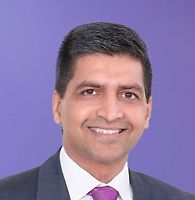
Dr Anuj Gupta
General Practitioner - Vocationally Registered
-

Dr Sonya Hardcastle
General Practitioner
-
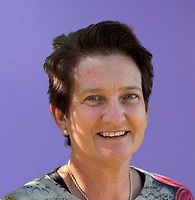
Dr Sheryl Howarth
General Practitioner - Vocationally Registered
-
Dr Anubhav Kumar
General Practitioner
-

Dr Khansaa Kurkchi
General Practitioner
-

Dr Joshua Lee
General Practitioner
-

Dr James Manning
General Practitioner
-
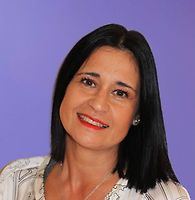
Dr Tanja Minic
General Practitioner
-
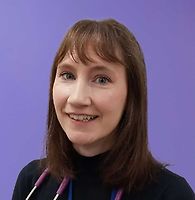
Dr Heather Powell
General Practitioner
-

Dr Ethan Richards
General Practitioner
-
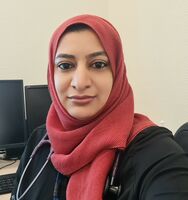
Dr Amna Samad
General Practitioner - Vocationally Registered
-
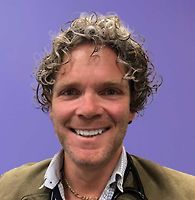
Dr Martin Schiebel
General Practitioner - Vocationally Registered
-

Dr Kirin Tan
General Practitioner
-
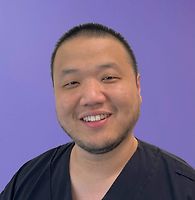
Dr Marcus Tay
General Practitioner
Ages
Child / Tamariki, Youth / Rangatahi, Adult / Pakeke, Older adult / Kaumātua
How do I access this service?
Make an appointment
Download the Tend app to make an appointment.
Walk in
Anyone can walk-in to our urgent care clinic, no appointment needed.
Website / App
Download the Tend app to manage your healthcare:
Appointments
- Book 10 minute online appointments 24/7
- Book 15 minute appointments in clinic or online
- Book 30 minute appointments in clinic or online
- Book FREE 30 minute mental wellness consults
- Request same-day medical certificates
- Book a medical service like a sexual health check or vaccination.
Manage medications
- Order repeat prescriptions
- Check the status of your repeat
- See when your medications are running low.
Stay on top of your healthcare
- Check your test results
- View your consultation notes
- Get reminders and notifications
- Message your care team
- Make bill payments.
Enrolled patients
Download the Tend app to enrol. Enrolling takes just 5 minutes!
Casual (not enrolled) patients
Download the Tend app to make an appointment. Tend's Online Now service is available to casual patients nationwide. You can see a doctor online 24/7 with Tend app. Available to anyone, anytime, anywhere.
Enrolling new patients
Yes
This practice is welcoming new patients to enrol.
General Practice booked appointments for enrolled children under 13-years are free. However, from March 01, 2025, enrolled children aged 13 years and under will pay an urgent care surcharge of $29.00. Children under 16yrs can not be enrolled without a parent also being enrolled. Please be aware that we require pre-payments for all services.
Fees
Enrolled Patient Fees
| Age Range | Without CSC | With CSC |
|---|---|---|
| Under 6 years | Free | Free |
| 6 to 13 years | Free | Free |
| 14 to 17 years | $49.00 | $13.00 |
| 18 to 24 years | $65.00 | $20.00 |
| 25 to 44 years | $79.00 | $20.00 |
| 45 to 64 years | $79.00 | $20.00 |
| 65+ years | $69.00 | $20.00 |
- Enrolled patients $29.95
- Enrolled patients with CSC $14.95
- You’re welcome to see us as a casual patient. If you’re visiting from overseas or not eligible for funded healthcare in New Zealand, visitor fees may apply and costs may be higher.
- Online Now appointments are cheaper for casual patients with a CSC card.
- Online Now appointments after hours (10pm - 8am) and on public holidays will cost an extra $10, except for those under 14 years with a CSC who are free at all times.
- The online mental health and wellness service is free for all patients over 16 years, casual and enrolled. No referral or paperwork required, no strings attached. Simply book via the app.
Fees and Charges Categorisation
Fees apply
Hours
8:00 AM to 6:30 PM.
| Mon – Sun | 8:00 AM – 6:30 PM |
|---|
Public Holidays: Open on all public holidays.
Languages Spoken
English, Arabic, Chinese, Cantonese Chinese, Mandarin Chinese, Serbian, Afrikaans
Services Provided
A primary care medical practice is far more than a place to go when you are feeling unwell and needing a quick cure. The medical staff are able to help children and adults of all ages with a range of physical and emotional difficulties. Staff are at the centre of the healthcare hub and will be aware of services and expertise that are available locally and further-a-field. They are also aware of the link that stress and unhappy life events have on physical health so know when to suggest a talking therapy rather than medication.
A primary care medical practice is far more than a place to go when you are feeling unwell and needing a quick cure. The medical staff are able to help children and adults of all ages with a range of physical and emotional difficulties. Staff are at the centre of the healthcare hub and will be aware of services and expertise that are available locally and further-a-field. They are also aware of the link that stress and unhappy life events have on physical health so know when to suggest a talking therapy rather than medication.
A primary care medical practice is far more than a place to go when you are feeling unwell and needing a quick cure. The medical staff are able to help children and adults of all ages with a range of physical and emotional difficulties. Staff are at the centre of the healthcare hub and will be aware of services and expertise that are available locally and further-a-field. They are also aware of the link that stress and unhappy life events have on physical health so know when to suggest a talking therapy rather than medication.
Health screening tests check for health conditions or early warning signs of disease.
Health screening tests check for health conditions or early warning signs of disease.
- Cervical screening
Health screening tests check for health conditions or early warning signs of disease.
Primary care medical practices offer a range of services and are able to deal with most minor accident care. If they are not able to deal with an injury they will refer on to the appropriate service.
Primary care medical practices offer a range of services and are able to deal with most minor accident care. If they are not able to deal with an injury they will refer on to the appropriate service.
Primary care medical practices offer a range of services and are able to deal with most minor accident care. If they are not able to deal with an injury they will refer on to the appropriate service.
Minor surgery is commonly provided in primary care medical practices, providing fast, competent removal and biopsies of skin lesions. Other services include cosmetic work such as removal of benign moles and skin tags. Ingrown toenail surgery is also commonly provided. These conditions do not need to be referred to a hospital, perhaps saving you a long wait or a cancelled appointment when a more serious case takes priority.
Minor surgery is commonly provided in primary care medical practices, providing fast, competent removal and biopsies of skin lesions. Other services include cosmetic work such as removal of benign moles and skin tags. Ingrown toenail surgery is also commonly provided. These conditions do not need to be referred to a hospital, perhaps saving you a long wait or a cancelled appointment when a more serious case takes priority.
Minor surgery is commonly provided in primary care medical practices, providing fast, competent removal and biopsies of skin lesions. Other services include cosmetic work such as removal of benign moles and skin tags. Ingrown toenail surgery is also commonly provided.
These conditions do not need to be referred to a hospital, perhaps saving you a long wait or a cancelled appointment when a more serious case takes priority.
Immunisation is the safest and most effective way to provide protection for you and your tamariki’s health. For more information view the NZ immunisation schedule.
Immunisation is the safest and most effective way to provide protection for you and your tamariki’s health. For more information view the NZ immunisation schedule.
- Pregnancy vaccinations
- Childhood immunisation programme
- 45 year old vaccinations
- 65 year old vaccinations
- Adult flu vaccine
- Child flu vaccine
- Diphtheria / Tetanus / Pertussis (whooping cough) vaccine
- Human Papillomavirus (HPV) vaccine
- Measles / Mumps / Rubella (MMR) vaccine
- Meningococcal vaccine
- Shingles vaccine
- Travel vaccinations
- Catch-up missed vaccinations
- Respiratory syncytial virus (RSV) vaccine
- Privately funded vaccinations
Immunisation is the safest and most effective way to provide protection for you and your tamariki’s health. For more information view the NZ immunisation schedule.
Each primary care medical practice will have its own procedure for repeat prescribing but the following rules are common to most, if not all. Patients who are well-known to the practice who have a stable condition like asthma, hypertension or diabetes could be allowed to get a repeat prescription for up to six months. Repeat prescriptions are never given to patients who are not known to the practice and there is probably a blanket ban on repeats for narcotics and other drugs that could be misused as doctors are expected to monitor these drugs carefully. Practice Policy is to be reviewed every 3 months for your repeat prescription.
Each primary care medical practice will have its own procedure for repeat prescribing but the following rules are common to most, if not all. Patients who are well-known to the practice who have a stable condition like asthma, hypertension or diabetes could be allowed to get a repeat prescription for up to six months. Repeat prescriptions are never given to patients who are not known to the practice and there is probably a blanket ban on repeats for narcotics and other drugs that could be misused as doctors are expected to monitor these drugs carefully. Practice Policy is to be reviewed every 3 months for your repeat prescription.
Each primary care medical practice will have its own procedure for repeat prescribing but the following rules are common to most, if not all. Patients who are well-known to the practice who have a stable condition like asthma, hypertension or diabetes could be allowed to get a repeat prescription for up to six months. Repeat prescriptions are never given to patients who are not known to the practice and there is probably a blanket ban on repeats for narcotics and other drugs that could be misused as doctors are expected to monitor these drugs carefully.
Practice Policy is to be reviewed every 3 months for your repeat prescription.
Sometimes a sample of blood or urine is needed to discover what is wrong with you or to measure something in your blood so that the right medication is given to you. These tests could be anything from blood sugar to a full blood count or a sample of tissue to test for cancer. While urine can generally be tested in the surgery, blood and other specimens are usually sent away for testing at a laboratory. Most results come back within 48 hours unless a very rare test is needed which has to go to a specialist lab further away when it might take a little longer.
Sometimes a sample of blood or urine is needed to discover what is wrong with you or to measure something in your blood so that the right medication is given to you. These tests could be anything from blood sugar to a full blood count or a sample of tissue to test for cancer. While urine can generally be tested in the surgery, blood and other specimens are usually sent away for testing at a laboratory. Most results come back within 48 hours unless a very rare test is needed which has to go to a specialist lab further away when it might take a little longer.
Sometimes a sample of blood or urine is needed to discover what is wrong with you or to measure something in your blood so that the right medication is given to you. These tests could be anything from blood sugar to a full blood count or a sample of tissue to test for cancer.
While urine can generally be tested in the surgery, blood and other specimens are usually sent away for testing at a laboratory. Most results come back within 48 hours unless a very rare test is needed which has to go to a specialist lab further away when it might take a little longer.
Liquid nitrogen is a fast, effective treatment provided in many practices to treat viral warts, sun damaged skin, skin tags and many benign cosmetic lesions. It comes in a container with a nozzle and is usually applied by swab or spray. Often one treatment is all that is needed but sometimes it may need repeating after two weeks. Because it cannot be stored for too long, you will often find that a number of patients will be treated one after the other. For more information click here.
Liquid nitrogen is a fast, effective treatment provided in many practices to treat viral warts, sun damaged skin, skin tags and many benign cosmetic lesions. It comes in a container with a nozzle and is usually applied by swab or spray. Often one treatment is all that is needed but sometimes it may need repeating after two weeks. Because it cannot be stored for too long, you will often find that a number of patients will be treated one after the other. For more information click here.
Liquid nitrogen is a fast, effective treatment provided in many practices to treat viral warts, sun damaged skin, skin tags and many benign cosmetic lesions. It comes in a container with a nozzle and is usually applied by swab or spray. Often one treatment is all that is needed but sometimes it may need repeating after two weeks.
Because it cannot be stored for too long, you will often find that a number of patients will be treated one after the other.
For more information click here.
LARC methods are very effective at preventing unplanned pregnancy and are “fit and forget” forms of contraception – you don’t need to remember them every day or every month. LARC methods: Intrauterine Contraceptive Devices (IUCD or IUD) are inserted through the cervix into a woman’s uterus. IUCDs may be either hormonal (Mirena® or Jaydess® ) or non-hormonal (copper IUCD). Jadelle® is a hormone-releasing implant that is inserted just under the skin of the upper arm. Depending on the type of device, it will need to be changed after between three and ten years. Read more about LARC methods here Copper IUD at our clinic. Referrals for Mirena can be made by our GPs, to our visiting specialist Fiona McConnell
LARC methods are very effective at preventing unplanned pregnancy and are “fit and forget” forms of contraception – you don’t need to remember them every day or every month. LARC methods: Intrauterine Contraceptive Devices (IUCD or IUD) are inserted through the cervix into a woman’s uterus. IUCDs may be either hormonal (Mirena® or Jaydess® ) or non-hormonal (copper IUCD). Jadelle® is a hormone-releasing implant that is inserted just under the skin of the upper arm. Depending on the type of device, it will need to be changed after between three and ten years. Read more about LARC methods here Copper IUD at our clinic. Referrals for Mirena can be made by our GPs, to our visiting specialist Fiona McConnell
- Implant (Jadelle) inserts
- IUD removals
- Implant (Jadelle) removal
LARC methods are very effective at preventing unplanned pregnancy and are “fit and forget” forms of contraception – you don’t need to remember them every day or every month. LARC methods:
- Intrauterine Contraceptive Devices (IUCD or IUD) are inserted through the cervix into a woman’s uterus. IUCDs may be either hormonal (Mirena® or Jaydess® ) or non-hormonal (copper IUCD).
- Jadelle® is a hormone-releasing implant that is inserted just under the skin of the upper arm.
Depending on the type of device, it will need to be changed after between three and ten years.
Read more about LARC methods here
Copper IUD at our clinic.
Referrals for Mirena can be made by our GPs, to our visiting specialist Fiona McConnell
All women and people with a cervix aged 25 – 69 who have ever had intimate skin-to-skin contact or been sexually active should have regular cervical screening. This includes women who have been immunised against HPV. Together, regular screening and HPV immunisation provide the best protection against cervical cancer. There are now more options for how you have cervical screening done: a simple vaginal swab test for HPV, either done yourself or with help from a healthcare professional a cervical sample taken by a healthcare professional (used to be known as a smear test). Talk with your healthcare provider to decide which option is best for you. If HPV is found, you may need to have a follow-up test or be referred directly for colposcopy. If you’ve not yet had HPV testing, you should be screened 3 years after your last test (or 1 year if immune deficient). Once you have had an HPV test, and providing HPV is not found, your next screening will be in 5 years (or 3 years if immune deficient). For more information: Cervical screening | Time to Screen - National Screening Unit
All women and people with a cervix aged 25 – 69 who have ever had intimate skin-to-skin contact or been sexually active should have regular cervical screening. This includes women who have been immunised against HPV. Together, regular screening and HPV immunisation provide the best protection against cervical cancer. There are now more options for how you have cervical screening done: a simple vaginal swab test for HPV, either done yourself or with help from a healthcare professional a cervical sample taken by a healthcare professional (used to be known as a smear test). Talk with your healthcare provider to decide which option is best for you. If HPV is found, you may need to have a follow-up test or be referred directly for colposcopy. If you’ve not yet had HPV testing, you should be screened 3 years after your last test (or 1 year if immune deficient). Once you have had an HPV test, and providing HPV is not found, your next screening will be in 5 years (or 3 years if immune deficient). For more information: Cervical screening | Time to Screen - National Screening Unit
All women and people with a cervix aged 25 – 69 who have ever had intimate skin-to-skin contact or been sexually active should have regular cervical screening. This includes women who have been immunised against HPV. Together, regular screening and HPV immunisation provide the best protection against cervical cancer.
There are now more options for how you have cervical screening done:
- a simple vaginal swab test for HPV, either done yourself or with help from a healthcare professional
- a cervical sample taken by a healthcare professional (used to be known as a smear test).
Talk with your healthcare provider to decide which option is best for you.
If HPV is found, you may need to have a follow-up test or be referred directly for colposcopy.
If you’ve not yet had HPV testing, you should be screened 3 years after your last test (or 1 year if immune deficient). Once you have had an HPV test, and providing HPV is not found, your next screening will be in 5 years (or 3 years if immune deficient).
For more information: Cervical screening | Time to Screen - National Screening Unit
An ECG is a recording of your heart's electrical activity. Electrode patches are attached to your skin to measure the electrical impulses given off by your heart. The result is a trace that can give information of previous heart attacks or problems with the heart rhythm.
An ECG is a recording of your heart's electrical activity. Electrode patches are attached to your skin to measure the electrical impulses given off by your heart. The result is a trace that can give information of previous heart attacks or problems with the heart rhythm.
An ECG is a recording of your heart's electrical activity. Electrode patches are attached to your skin to measure the electrical impulses given off by your heart. The result is a trace that can give information of previous heart attacks or problems with the heart rhythm.
Spirometry is a tool that measures how effectively your lungs are working. It can show how much air lungs are able to hold (their volume) and how much air can be breathed in and out (inhaled and exhaled) which is called flow. It can be used to diagnose problems of breathing and monitor the usefulness of treatment. The test involves taking a deep breath in and blowing out as hard as you can into a hollow tube attached to a spirometer machine. You will be asked to do the test several times. The whole process takes 15 - 30 minutes depending on whether you are given some inhaled medicine and asked to do it again to monitor if there is an improvement. Read more about Spirometry on the Healthify website Peak flow meter This is a small hand-held tube that can measure what is happening in your breathing tubes. You can have one at home and measure your peak flow by blowing into it as hard and fast as possible. You will be shown how to measure it and compare it with what you can blow when you are well as part of your asthma management plan if you think you are having an asthma attack. For more information view on the Healthify website
Spirometry is a tool that measures how effectively your lungs are working. It can show how much air lungs are able to hold (their volume) and how much air can be breathed in and out (inhaled and exhaled) which is called flow. It can be used to diagnose problems of breathing and monitor the usefulness of treatment. The test involves taking a deep breath in and blowing out as hard as you can into a hollow tube attached to a spirometer machine. You will be asked to do the test several times. The whole process takes 15 - 30 minutes depending on whether you are given some inhaled medicine and asked to do it again to monitor if there is an improvement. Read more about Spirometry on the Healthify website Peak flow meter This is a small hand-held tube that can measure what is happening in your breathing tubes. You can have one at home and measure your peak flow by blowing into it as hard and fast as possible. You will be shown how to measure it and compare it with what you can blow when you are well as part of your asthma management plan if you think you are having an asthma attack. For more information view on the Healthify website
Spirometry is a tool that measures how effectively your lungs are working. It can show how much air lungs are able to hold (their volume) and how much air can be breathed in and out (inhaled and exhaled) which is called flow. It can be used to diagnose problems of breathing and monitor the usefulness of treatment. The test involves taking a deep breath in and blowing out as hard as you can into a hollow tube attached to a spirometer machine. You will be asked to do the test several times. The whole process takes 15 - 30 minutes depending on whether you are given some inhaled medicine and asked to do it again to monitor if there is an improvement. Read more about Spirometry on the Healthify website
Peak flow meter This is a small hand-held tube that can measure what is happening in your breathing tubes. You can have one at home and measure your peak flow by blowing into it as hard and fast as possible. You will be shown how to measure it and compare it with what you can blow when you are well as part of your asthma management plan if you think you are having an asthma attack. For more information view on the Healthify website
Another service offered to you at your primary care medical practice is advice and immunisation before you go to another country. While you are likely to have the immunisations needed to live in New Zealand, there may be other injections you need to protect yourself before going for example to Africa or South America. In some places you will need protection from rabies or malaria. Yellow fever vaccinations are only available at approved centres; please click here to view the centres in New Zealand. Your healthcare provider will be able to tell you what diseases you will need to be protected from in any named country and advise you on other medical matters.
Another service offered to you at your primary care medical practice is advice and immunisation before you go to another country. While you are likely to have the immunisations needed to live in New Zealand, there may be other injections you need to protect yourself before going for example to Africa or South America. In some places you will need protection from rabies or malaria. Yellow fever vaccinations are only available at approved centres; please click here to view the centres in New Zealand. Your healthcare provider will be able to tell you what diseases you will need to be protected from in any named country and advise you on other medical matters.
Another service offered to you at your primary care medical practice is advice and immunisation before you go to another country. While you are likely to have the immunisations needed to live in New Zealand, there may be other injections you need to protect yourself before going for example to Africa or South America. In some places you will need protection from rabies or malaria. Yellow fever vaccinations are only available at approved centres; please click here to view the centres in New Zealand. Your healthcare provider will be able to tell you what diseases you will need to be protected from in any named country and advise you on other medical matters.
All New Zealand children are entitled to 11 free health checks from birth to three years. The checks aim to ensure that children are growing and developing as well as possible. Included in the checks are clinical assessment, health education and family/whanau support. Baby checks are at birth and then at 24 hours, five days and around 2-4 weeks. Babies are weighed and measured to ensure that they are developing correctly. These sessions provide a great opportunity for parents to ask questions from an expert and have any problem addressed; difficulties with breastfeeding or sleep for example. They can also be used to discuss immunisations and vaccinations. These checks will be carried out by your lead maternity carer (LMC). Between the ages of 4-6 weeks and three years, there are seven core health checks available, typically these are around 4-6 weeks, 8-10 weeks, 3-4 months, 5-7 months, 9-12 months, 15-18 months and 2-3 years. These checks may be carried out by a Well Child Provider of your choice e.g. Plunket, Māori health provider, community nurse, a general or nurse-led practice. Your LMC will be able to give you a list of Well Child Providers in your area. More information about Well Child services is available on the Ministry of Health website.
All New Zealand children are entitled to 11 free health checks from birth to three years. The checks aim to ensure that children are growing and developing as well as possible. Included in the checks are clinical assessment, health education and family/whanau support. Baby checks are at birth and then at 24 hours, five days and around 2-4 weeks. Babies are weighed and measured to ensure that they are developing correctly. These sessions provide a great opportunity for parents to ask questions from an expert and have any problem addressed; difficulties with breastfeeding or sleep for example. They can also be used to discuss immunisations and vaccinations. These checks will be carried out by your lead maternity carer (LMC). Between the ages of 4-6 weeks and three years, there are seven core health checks available, typically these are around 4-6 weeks, 8-10 weeks, 3-4 months, 5-7 months, 9-12 months, 15-18 months and 2-3 years. These checks may be carried out by a Well Child Provider of your choice e.g. Plunket, Māori health provider, community nurse, a general or nurse-led practice. Your LMC will be able to give you a list of Well Child Providers in your area. More information about Well Child services is available on the Ministry of Health website.
All New Zealand children are entitled to 11 free health checks from birth to three years. The checks aim to ensure that children are growing and developing as well as possible. Included in the checks are clinical assessment, health education and family/whānau support.
Baby checks are at birth and then at 24 hours, five days and around 2-4 weeks. Babies are weighed and measured to ensure that they are developing correctly. These sessions provide a great opportunity for parents to ask questions from an expert and have any problem addressed; difficulties with breastfeeding or sleep for example. They can also be used to discuss immunisations and vaccinations. These checks will be carried out by your lead maternity carer (LMC).
Between the ages of 4-6 weeks and three years, there are seven core health checks available, typically these are around 4-6 weeks, 8-10 weeks, 3-4 months, 5-7 months, 9-12 months, 15-18 months and 2-3 years. These checks may be carried out by a Well Child Provider of your choice e.g. Plunket, Māori health provider, community nurse, a general or nurse-led practice. Your LMC will be able to give you a list of Well Child Providers in your area.
More information about Well Child services is available on the Ministry of Health website.
A patient portal is a secure online tool provided by primary care medical practices that can allow convenient access to your health information as well as interaction with the practice e.g. booking appointments and requesting repeat prescriptions.
A patient portal is a secure online tool provided by primary care medical practices that can allow convenient access to your health information as well as interaction with the practice e.g. booking appointments and requesting repeat prescriptions.
A patient portal is a secure online tool provided by primary care medical practices that can allow convenient access to your health information as well as interaction with the practice e.g. booking appointments and requesting repeat prescriptions.
Applicants for New Zealand visas may be required to provide medical and chest x-ray certificates to demonstrate an acceptable standard of health. Immigration New Zealand uses eMedical, an online platform for processing immigration health examinations. The examining doctor records the applicant’s health examination results in eMedical then electronically submits them to Immigration New Zealand where they are associated with the applicant’s visa application once it is submitted. Only doctors who have been approved by Immigration NZ are able to conduct the medical examinations. The immigration officer who assesses the applicant’s visa application will determine whether they have an acceptable standard of health. Visa applicants requiring an immigration medical examination must make an appointment with an eMedical enabled clinic on Immigration New Zealand’s approved list. New Zealand and Australian Immigration Medicals
Applicants for New Zealand visas may be required to provide medical and chest x-ray certificates to demonstrate an acceptable standard of health. Immigration New Zealand uses eMedical, an online platform for processing immigration health examinations. The examining doctor records the applicant’s health examination results in eMedical then electronically submits them to Immigration New Zealand where they are associated with the applicant’s visa application once it is submitted. Only doctors who have been approved by Immigration NZ are able to conduct the medical examinations. The immigration officer who assesses the applicant’s visa application will determine whether they have an acceptable standard of health. Visa applicants requiring an immigration medical examination must make an appointment with an eMedical enabled clinic on Immigration New Zealand’s approved list. New Zealand and Australian Immigration Medicals
Applicants for New Zealand visas may be required to provide medical and chest x-ray certificates to demonstrate an acceptable standard of health. Immigration New Zealand uses eMedical, an online platform for processing immigration health examinations. The examining doctor records the applicant’s health examination results in eMedical then electronically submits them to Immigration New Zealand where they are associated with the applicant’s visa application once it is submitted. Only doctors who have been approved by Immigration NZ are able to conduct the medical examinations. The immigration officer who assesses the applicant’s visa application will determine whether they have an acceptable standard of health. Visa applicants requiring an immigration medical examination must make an appointment with an eMedical enabled clinic on Immigration New Zealand’s approved list.
New Zealand and Australian Immigration Medicals
Disability Assistance
Wheelchair access, Assistance to move around, More space to move around
Online Booking URL
Public Transport
The nearest bus stop, Constellation Bus Station (Stop 41385), is just a 2 minute walk away.
Parking
We offer free parking out the front of the building.

Contact Details
5 Home Place, Rosedale, Auckland
North Auckland
8:00 AM to 6:30 PM.
-
Phone
(09) 479 7770
-
Fax
(09) 444 1101
Healthlink EDI
lovetend
Email
Website
5 Home Place
Rosedale
Auckland 0632
Street Address
5 Home Place
Rosedale
Auckland 0632
Would you recommend this service to family & friends?
See ReviewsWas this page helpful?
This page was last updated at 2:32PM on March 19, 2026. This information is reviewed and edited by Tend Constellation Drive Medical Centre.